OUT OF THE ORDINARY. FIRST TIME IN JAPAN - EXPLORING TOKYO AND VISITING MOUNT FUJI
-
Hits: 1594
Japan is on many travelers’ bucket lists. As a matter of fact, based on Timeout survey conducted in 2025, Japan was officially the most desirable travel destination in the world for second consecutive year. It was also on our list – but for some day, some time in the future, with no concrete plans. However, when an unexpected opportunity presented itself to visit Japan in its peak fall foliage season, we made sure not to let it slip away.
I knew Japan would be a lot different from what we were accustomed to. We had traveled around Asia before and had been in Singapore and Malaysia, but it felt that Japan would be… I don’t know… just – out of the ordinary.
DAY 1 - Arrival
Like most travelers, we landed in Tokyo (Haneda) International Airport and this was where our adventure could finally start. With visa free entry, customs check was quick and easy, and soon enough we found ourselves wandering around the airport at 8 in the evening, trying to figure out how to get ourselves, our 2 kids, and 5 suitcases to a hotel. No regular taxi would fit us all. We ended up in an Uber van for a grand total of 13,000 yen ($84). And here came the first surprise – credit or debit cards (VISA, MasterCard) were frequently not accepted, and many times the only way to pay for services, entry tickets, goods or reservations was with cash only. So, upon arriving at our hotel, the Uber driver helped my husband find the closest ATM to withdraw thousands of yen to pay for the ride.
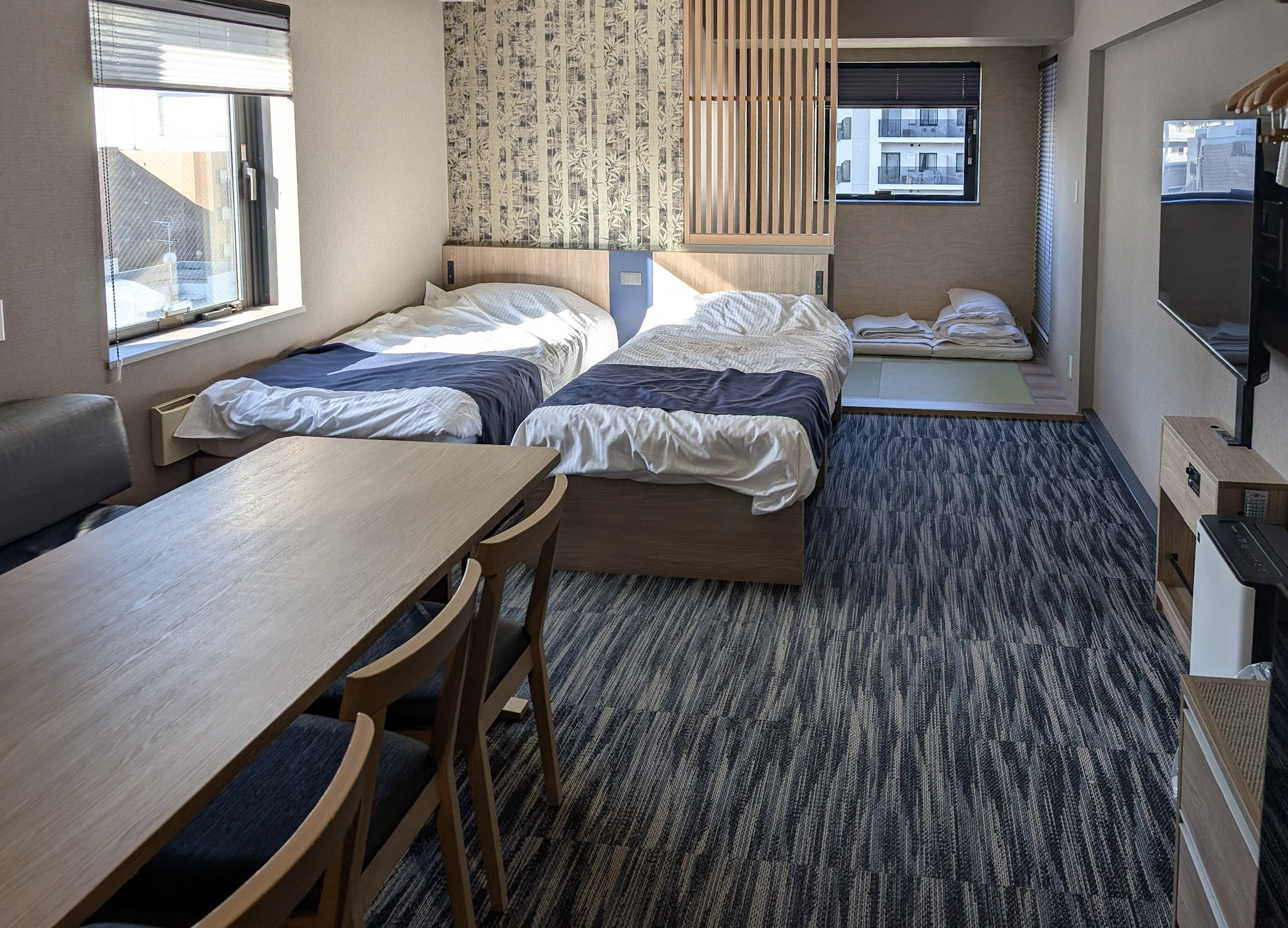
Our hotel for the next few nights was Minn Akihabara. Another phenomenon I encountered when looking for a hotel was that it was quite difficult to find rooms for 4 people. Standard rooms in Japan were for 2 people, and if there were more in your party, you were just expected to book 2 or 3 rooms. That was not something we wanted to do, so our lodging choices were fairly limited. However, Minn Akihabara ended up being a very nice hotel with a bigger room size than we anticipated based on Japanese standards. And boys got to sleep on the traditional Japanese tatami (floor) mats which they were very excited about!
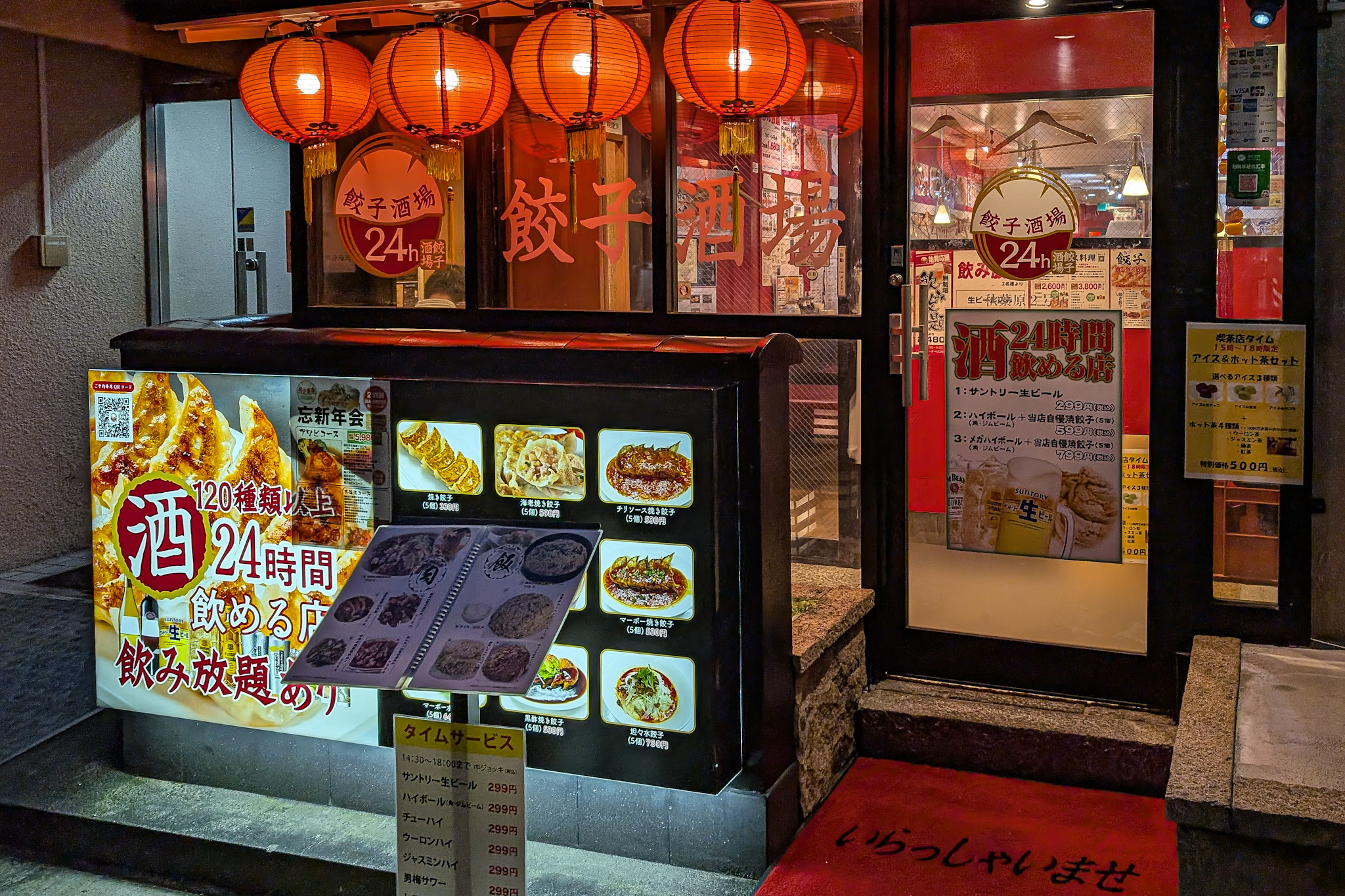
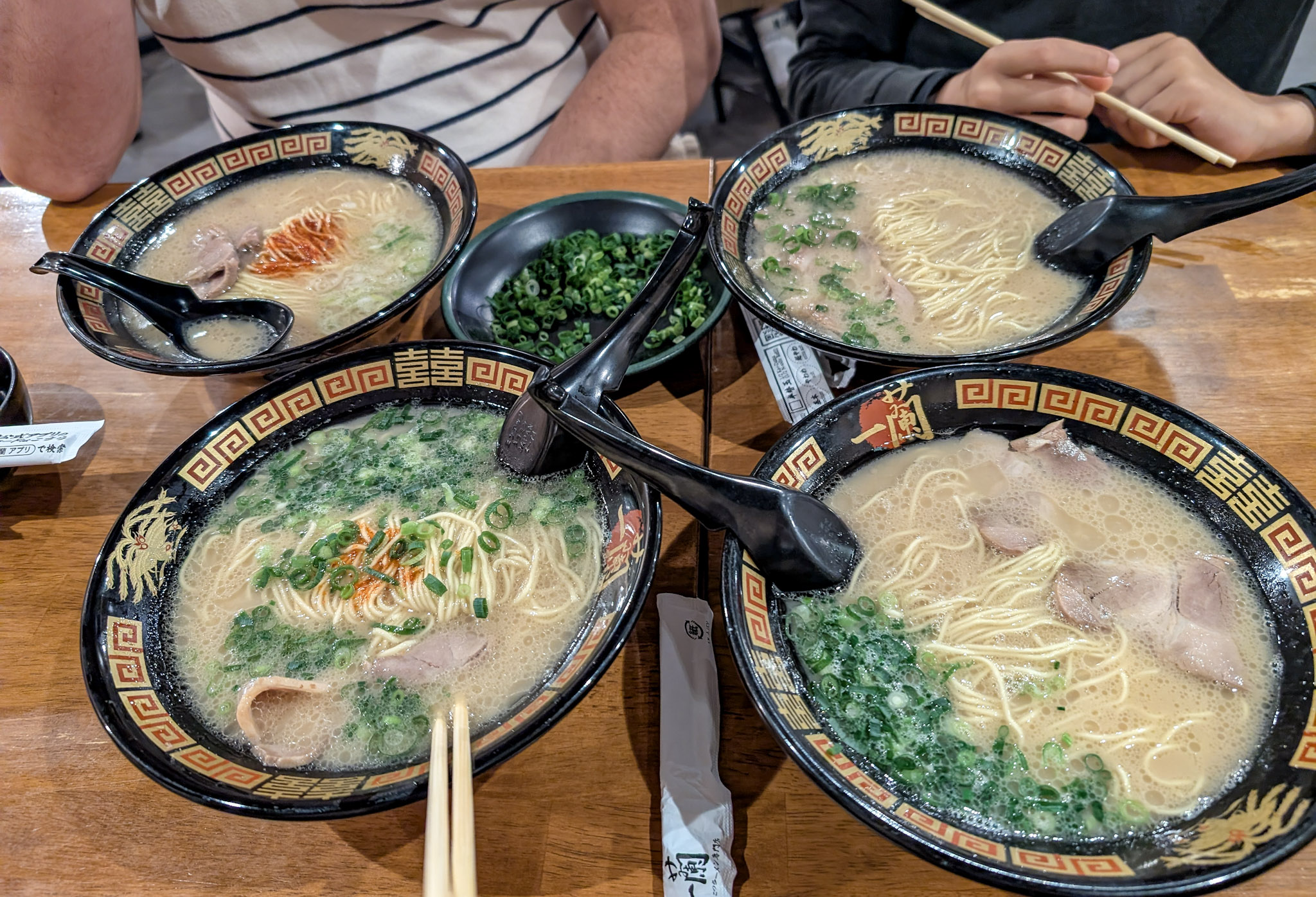
After we shoved our luggage in the closest corner, we headed out into the streets to find a restaurant for dinner. Of course, lots of ramen options were available, which was what we got and then returned to the hotel for an early start the next morning.
DAY 2 - Sightseeing Around Mount Fuji
Alarm woke us up at 5:30 in the morning. For our first day, I had booked a full day’s tour through Get Your Guide app to see Mount Fuji. The meeting time at Tokyo station was set for 7:00. As we made our walk towards the station, we could finally have a closer look at Tokyo – the streets, the architecture, the morning rush and waking up of the city. And the vending machines, there was no way to not notice them. Vending machines were lined up everywhere, serving snacks and drinks, including hot coffee and tea. Mostly requiring payment by cash, of course.

Although I barely ever used tours for sightseeing, finding our way around Japan and trying to navigate a car on the first morning of our arrival was not exactly my idea of fun. And sometimes it could truly be relaxing just to sit back and let someone else do the planning and scheduling.
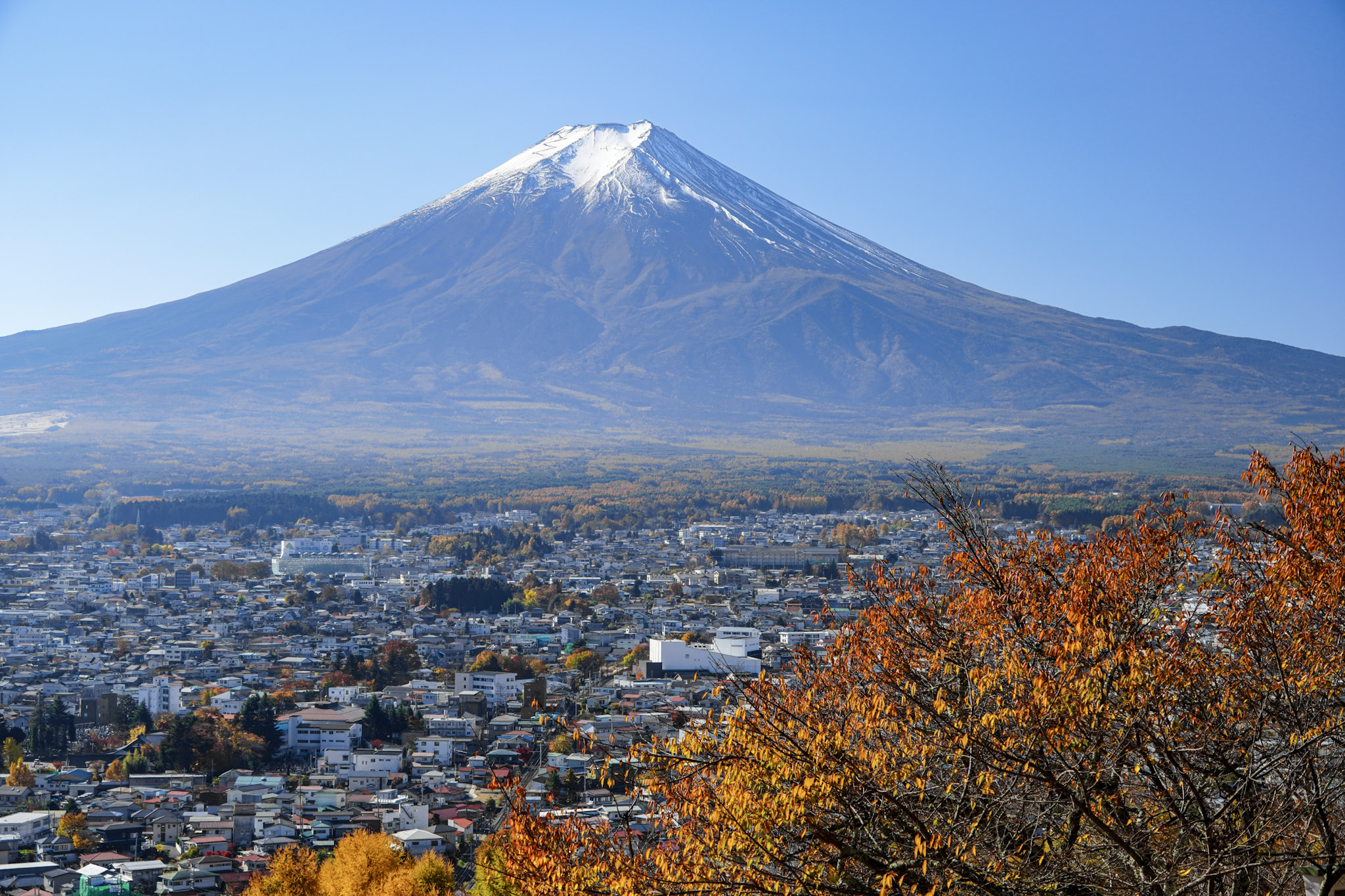
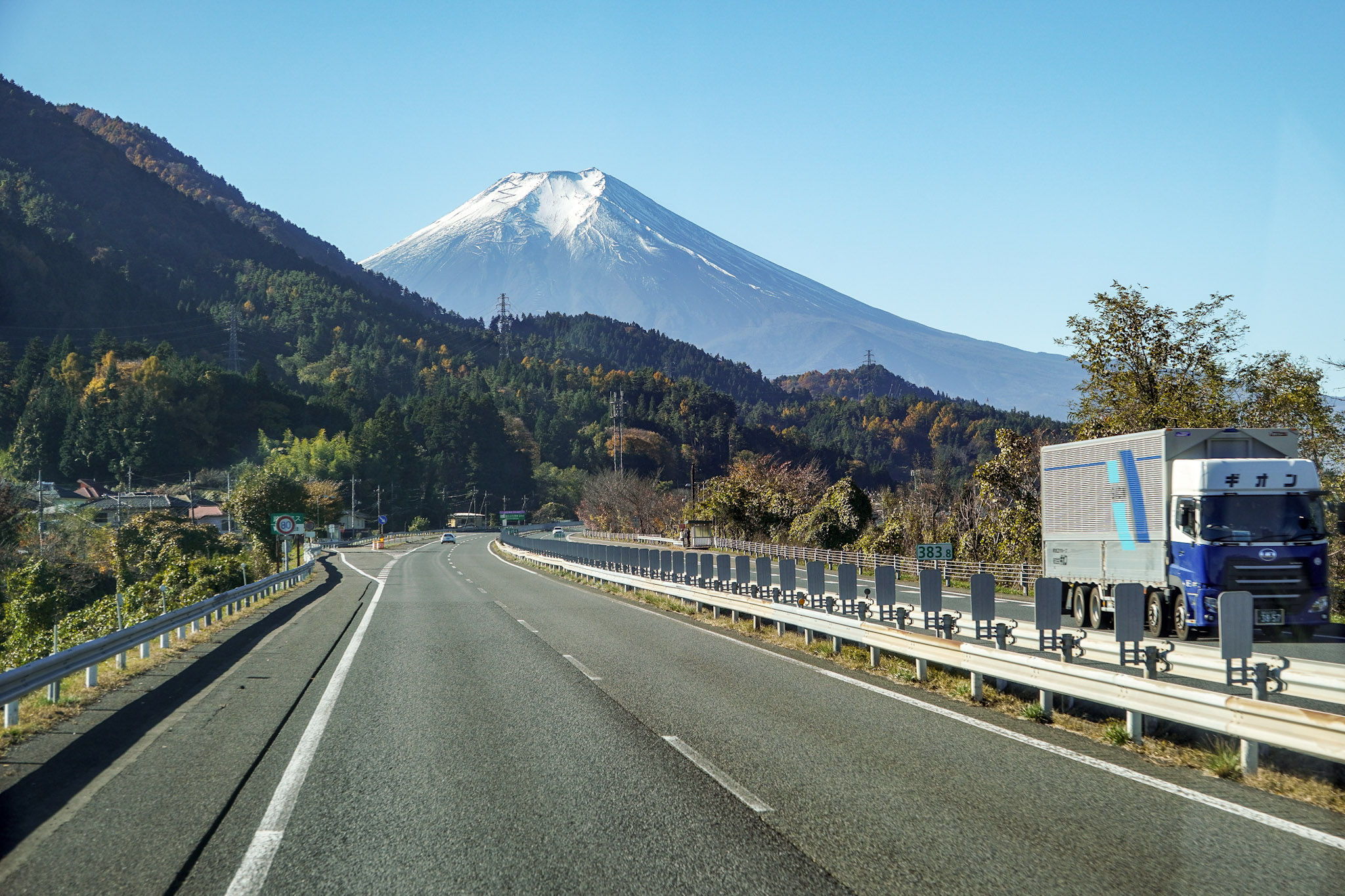
We were met by our tour guide and a big, comfortable bus that would take us on the day’s adventure. As we left the city, mountain views gradually entered the picture. I was truly surprised about how mountainous Japan was. Being at sea level, I expected it to be quite flat. But we were crossing mountain passes and valleys with beautiful fall colors. And eventually Mount Fuji appeared just in front of us!
A couple facts about Mount Fuji:
- Fuji isn't a single mountain. It's three volcanoes stacked on top of each other: Komitake at the base, Ko-Fuji in the middle, and Shin-Fuji at the top.
- The last eruption started on December 16, 1707 and ended on February 24, 1708
- Fuji is Japan's tallest mountain peak at at 3,776 meters (12,390 feet)
Arakurayama Sengen Park
Our first stop was Arakurayama Park. This was probably the most recognizable spot for photographing Mt Fuji as it gave that iconic view of the 5-story Chureito pagoda in its foreground. When typing “Mount Fuji” in Google image search, this would be the shot you would most likely get half the time.
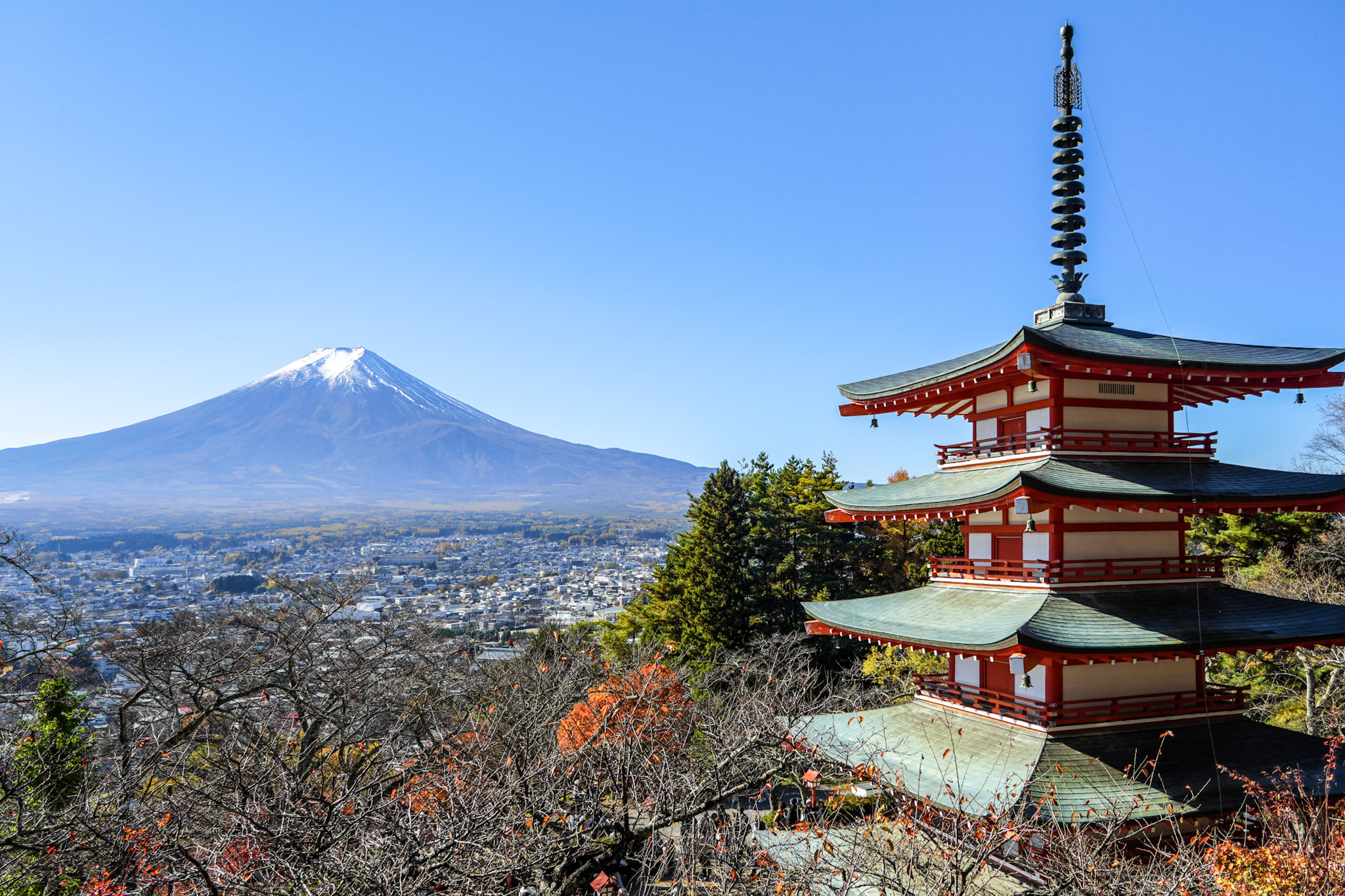
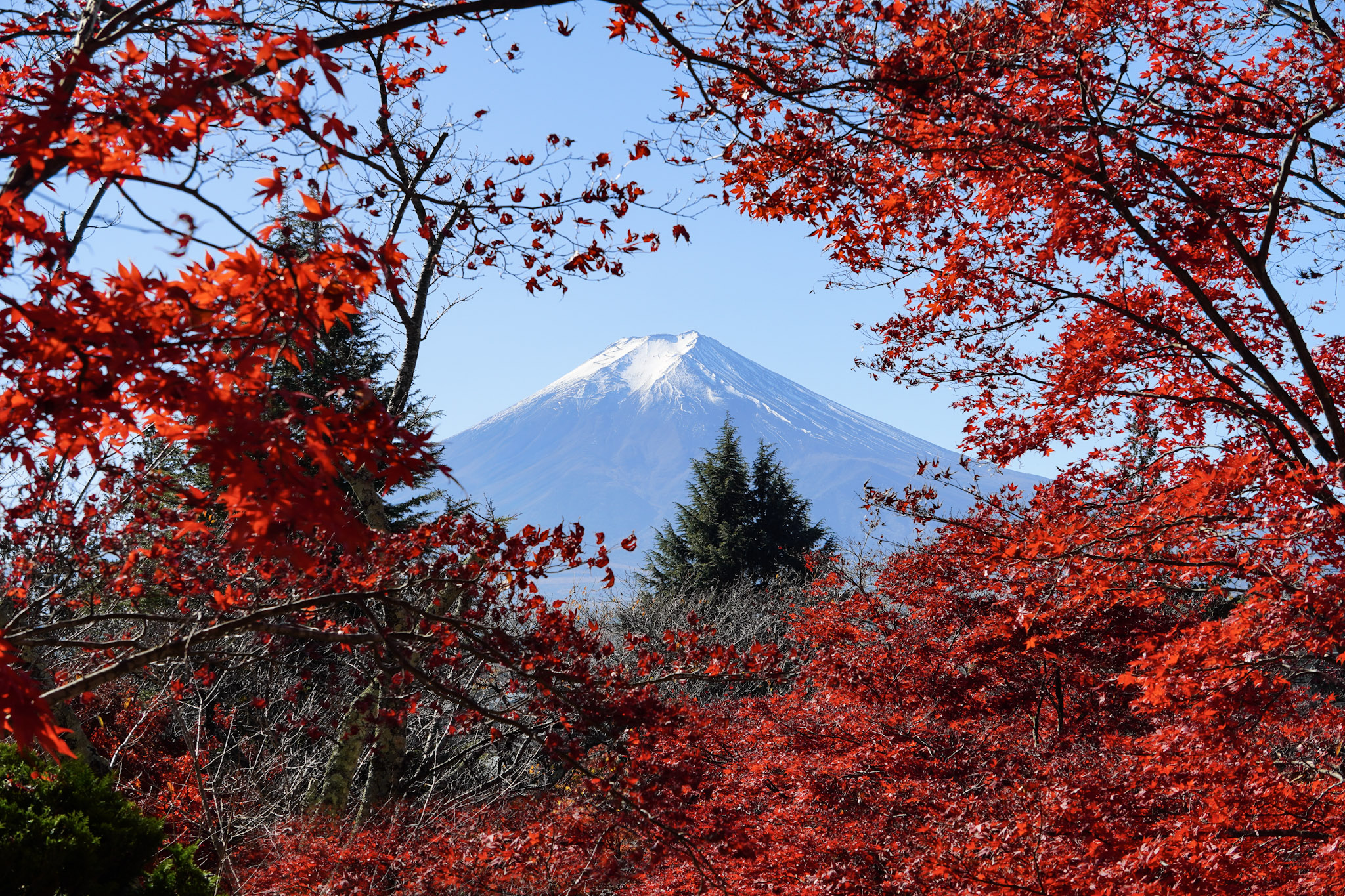
However, the walk up the mountain to get to this overlook was equally stunning. Here, in the mountains, fall colors were in full peak, and the bright reds and yellows of Japanese maples were shining and glimmering everywhere!

Various locations and little side paths gave different vantage points of the volcano, often framed by colorful leaves like a magical painting.
But - I am also not going to lie. It was extremely (!) crowded! Thousands of people heading up and down the same staircase, to and from the same overlook platform. Shoulder to shoulder crowds were simply unavoidable.
Honcho Street
Just at the bottom of the park, we walked into Fujiyoshida town to see Honcho Street. It was made popular by photographers and social media posts, portraying Mt Fuji at the end of a traditional Japanese street framed by old buildings, streetlamps and shop signs.
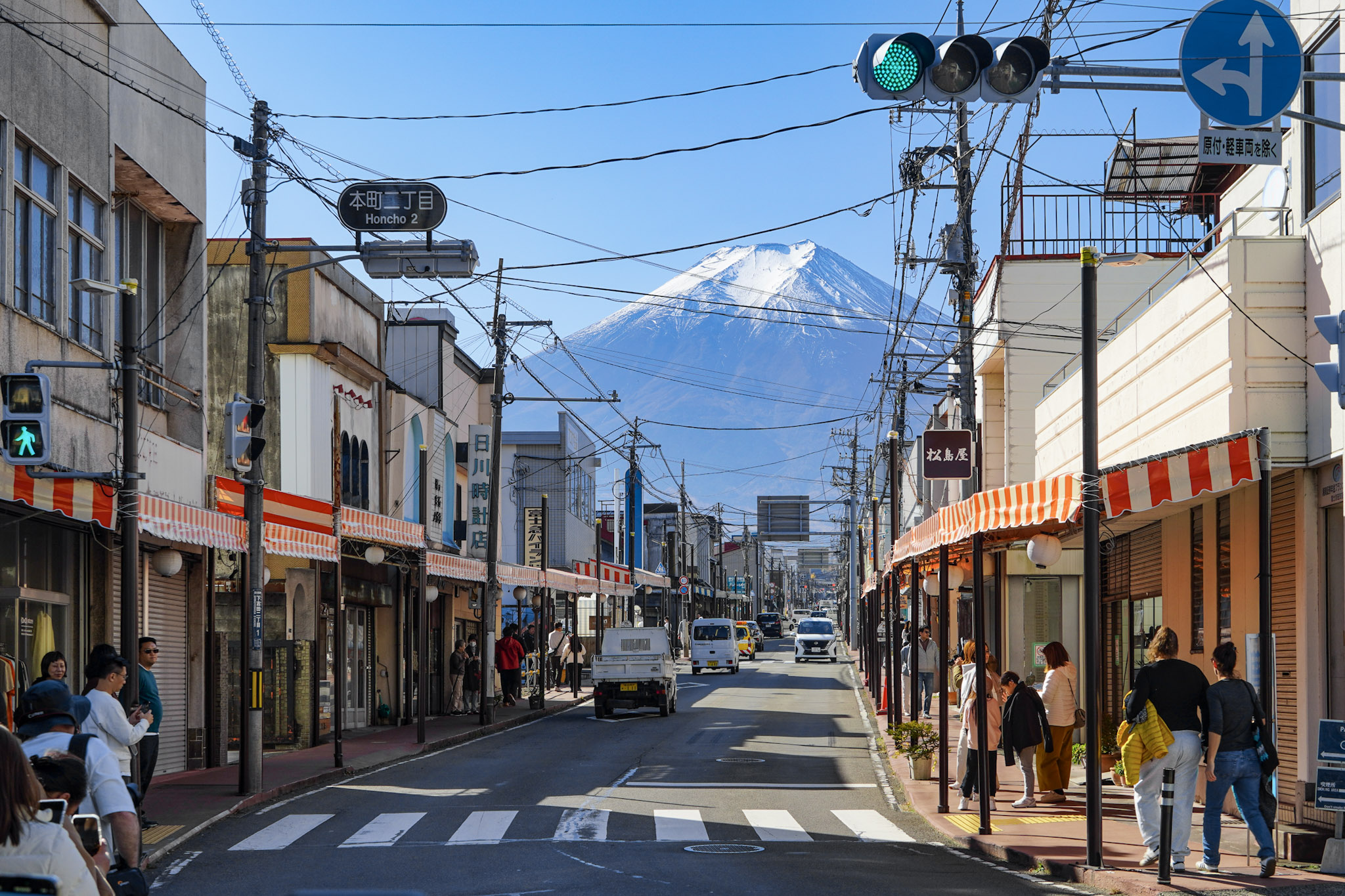
It was so popular, that the city had posted a police officer at the main picture spot. He was tasked with watching tourists and forbidding them to stand on the street for pictures causing traffic back-ups.
Lawson Kawaguchiko
Our next stop was another social media influencer created buzz-spot. The Lawson store in Kawaguchiko became famous and popular because a specific angle in front of the store perfectly framed the iconic, snow-capped Mount Fuji, making it look like the mountain was rising directly from the Lawson's roof. It was a viral-worthy photo opportunity that exploded on social media, attracting global tourists seeking that “perfect shot.”
The popularity of the little store exploded, leading to overtourism – blocked roads, jaywalking, traffic jams, littering and trespassing. Temporarily, the city even erected black tarp fences to hide the store from view of tourists, but that did not provide much relief.
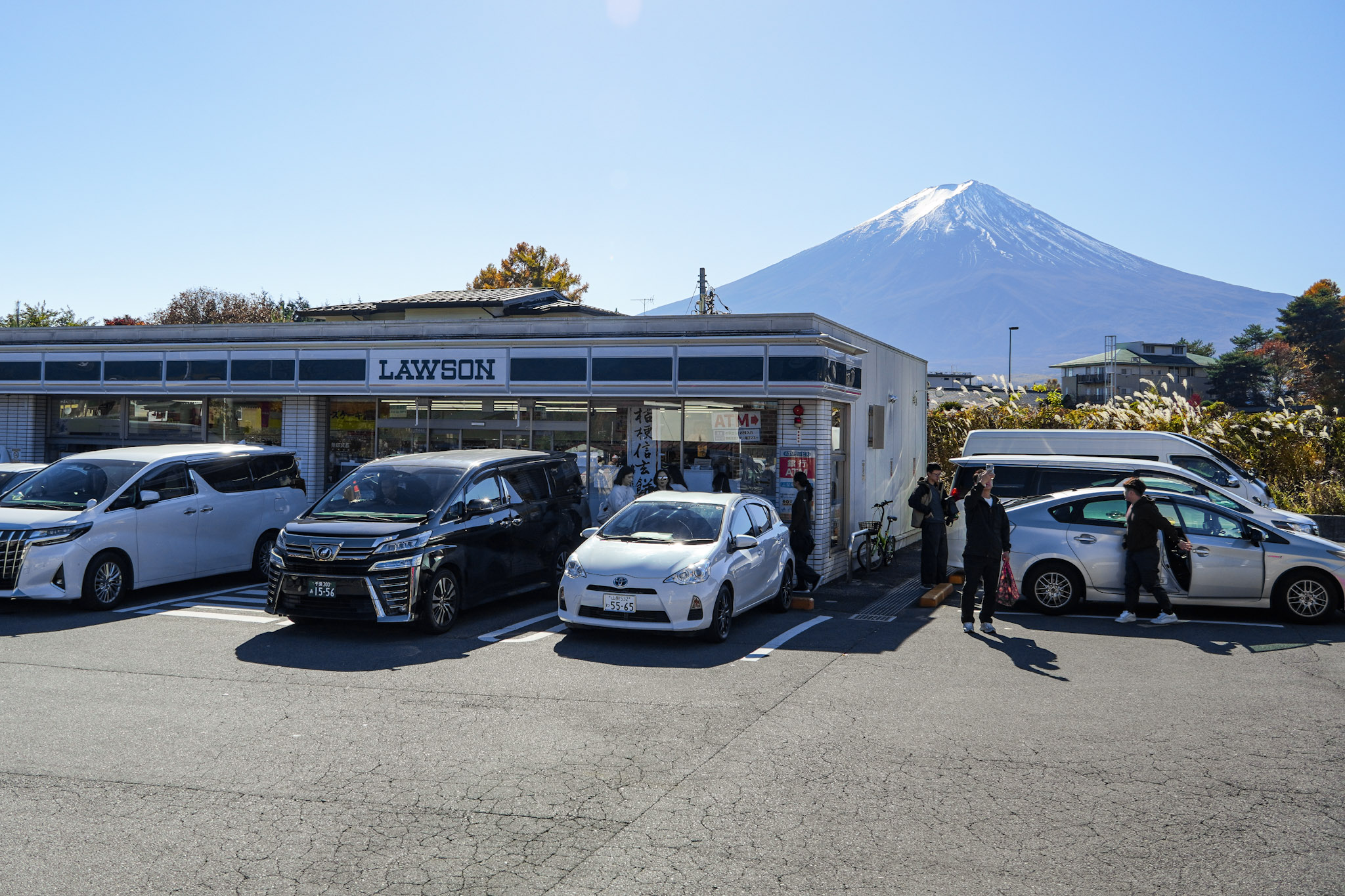
To be honest, I did not see what the big buzz was about because Mount Fuji could literally be seen from everywhere. Why exactly this store? But I took the obligatory photo and then walked into the store to buy some snacks for the road, while the rest of the group was busy with selfies and group photos out front.
Fun fact – my husband did not even realize this was a sightseeing stop. He and the kids just walked straight into the Lawson’s for food and restrooms, and he later said he was wondering where everyone else was! He thought it was a shopping break, ha ha.
Lake Kawaguchi & Oishi Park
Just a short drive up ahead, we reached Lake Kawaguchi. Formed by volcanic activity from Mount Fuji, it was the oldest of the five lakes in the region. The most accessible and popular of Japan's Fuji Five Lakes, Kawaguchi was famous for its stunning views, especially during cherry blossom or autumn color seasons.
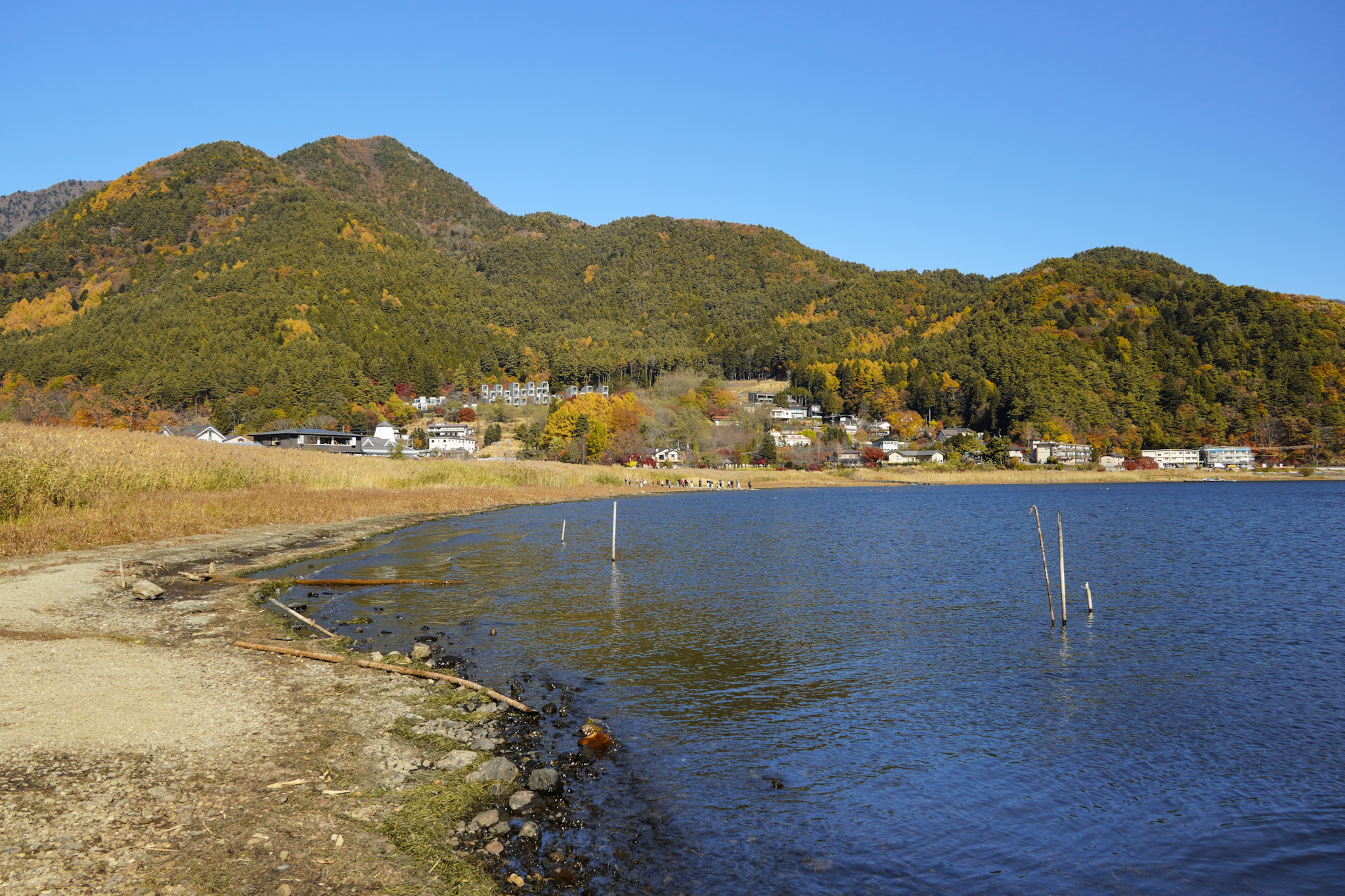
Although we were many months past cherry blossoms, we were right on time for stunning fall colors here. I don’t think I had ever seen maples so blindingly bright as in this region. The reds and yellows were so crisp and saturated that it was almost difficult to look at.
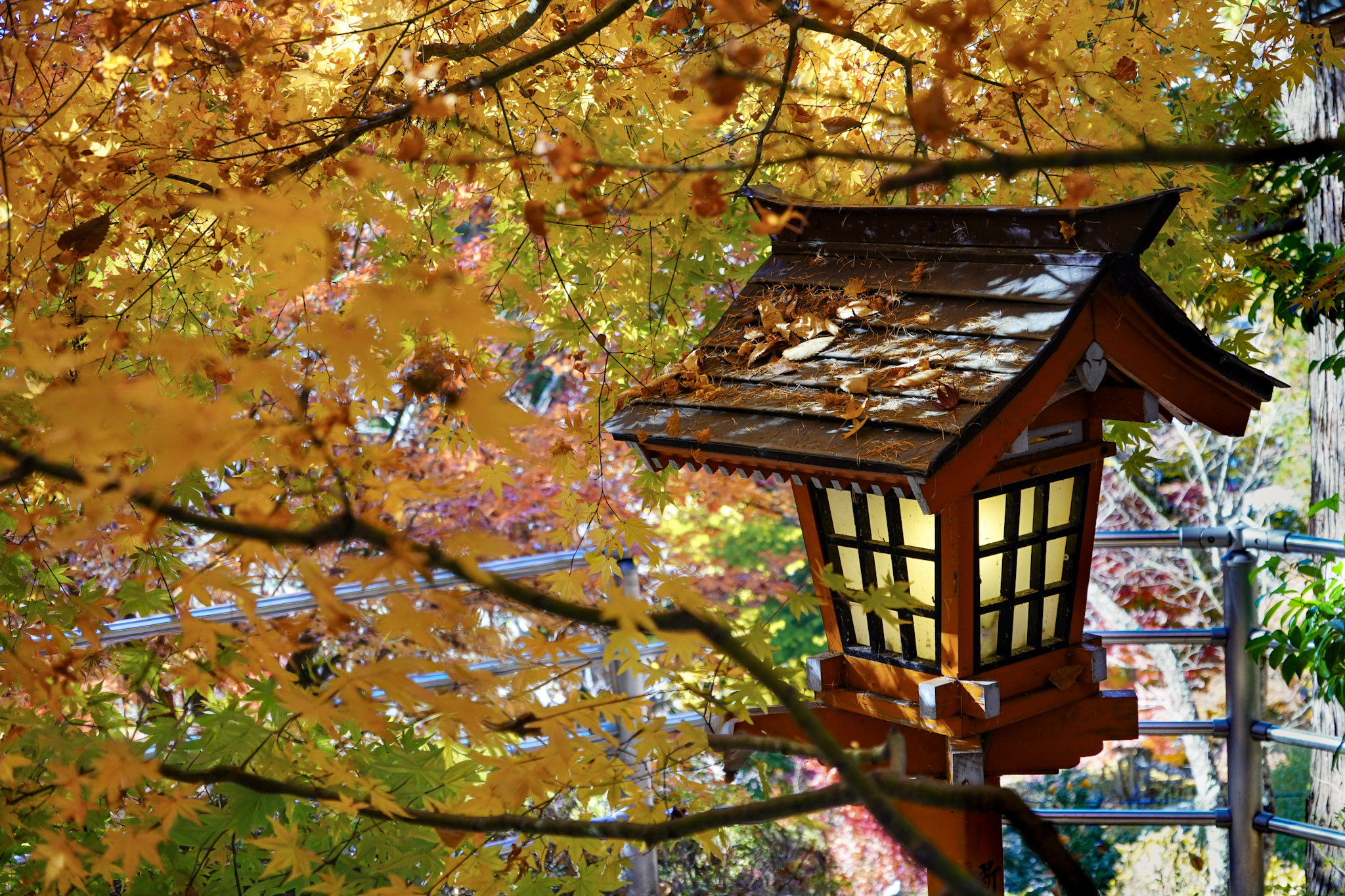
Our bus stopped at Oishi Park, and we had 1-hour free time to explore as we pleased. Oishi Park’s unique charm lay in its abundant seasonal flowers, walking paths, the wide view of the lake, and the magnificent sight of Mount Fuji.
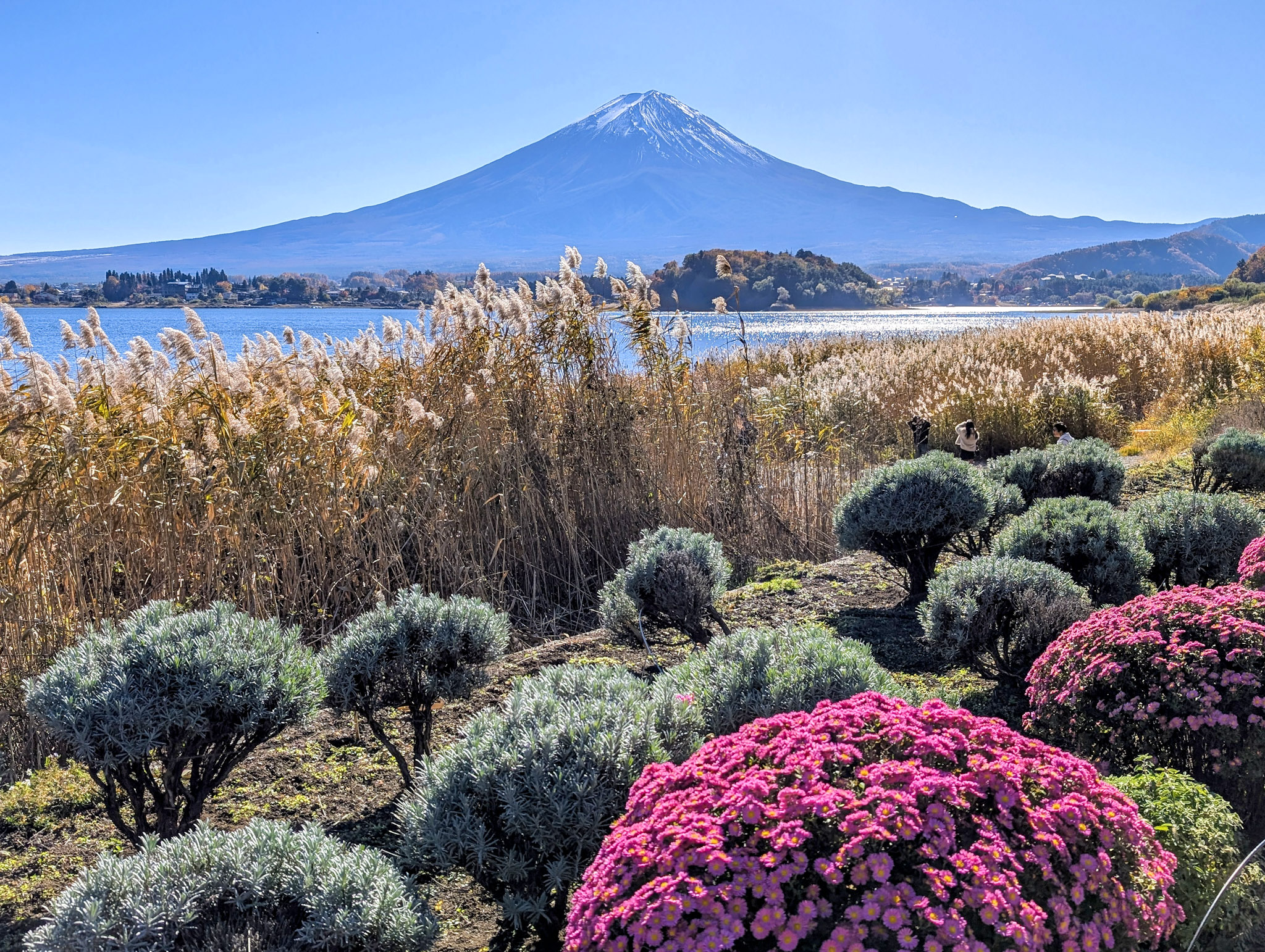
Unfortunately, in mid-November most of the seasonal fall flowers had wilted and gone brown already. But we did not let that disappoint us. The day was warm and sunny, and we headed out on one of the pathways leading down to the lake. The boys skipped rocks, and I took way too many pictures. It was beautiful. We even had time to sit down for a short lunch break with the view of the lake and Mount Fuji.
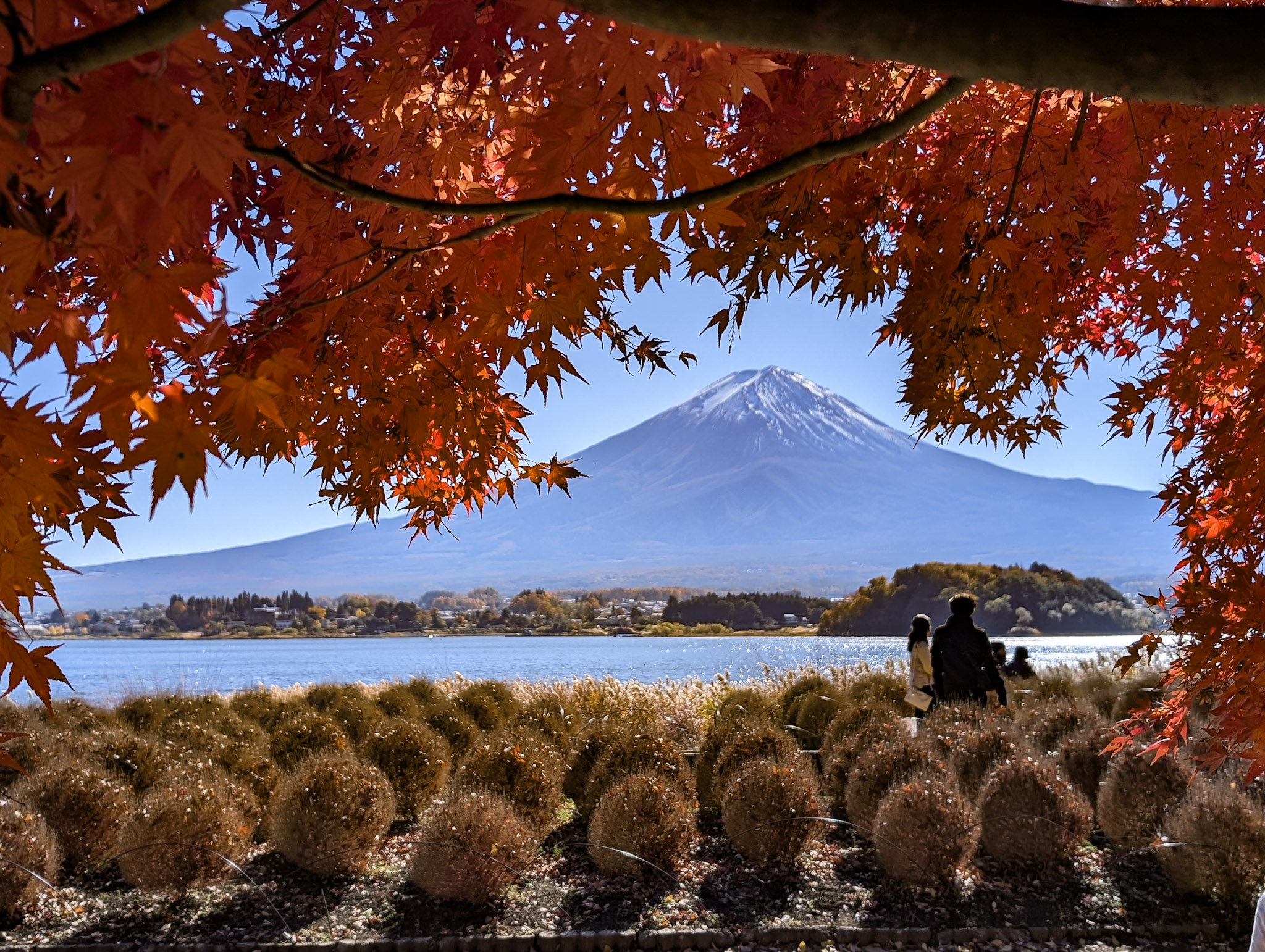
As in all the other places we visited, it was very crowded here as well. However, people dispersed on different walkways, and went different directions… And if one really wanted to, it was possible to find a quiet corner to just sit down and relax for a minute.
Otodome Waterfall & Shiraito Waterfall
After everyone gathered back on the bus, we had about an hour’s drive to our next stop – the waterfalls. The route took us around the back side of Mount Fuji, and we could see forests, fields and farms at its base – with the volcano fully exposed rising high above everything else in the landscape. It was so magical! And while many people on the bus were dozing off, I could not take my eyes off the amazing scenery the whole way. It was mesmerizing. During summer months, it was also possible to climb / hike Fuji to the top. Definitely something I would love to experience one day!
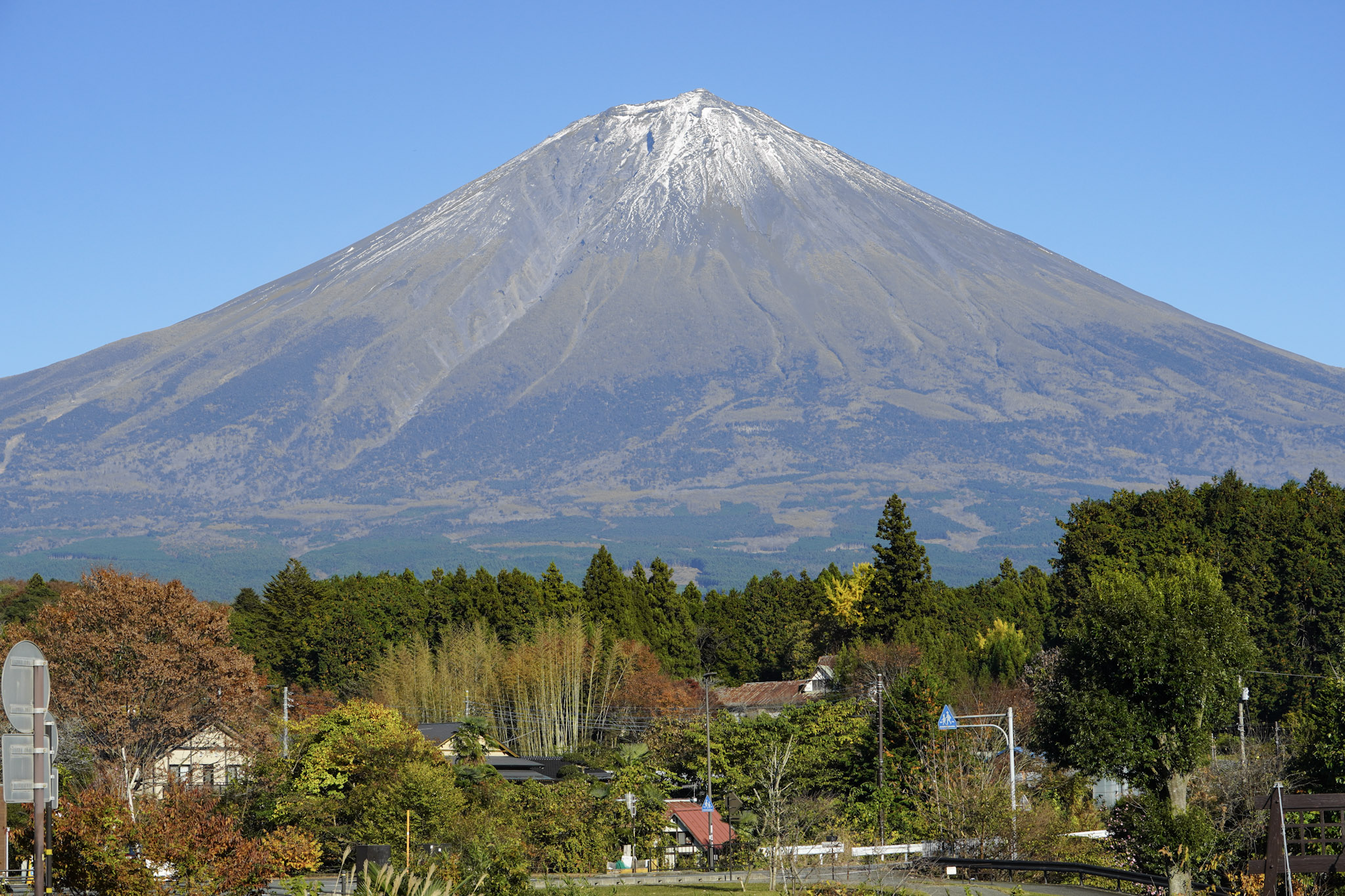
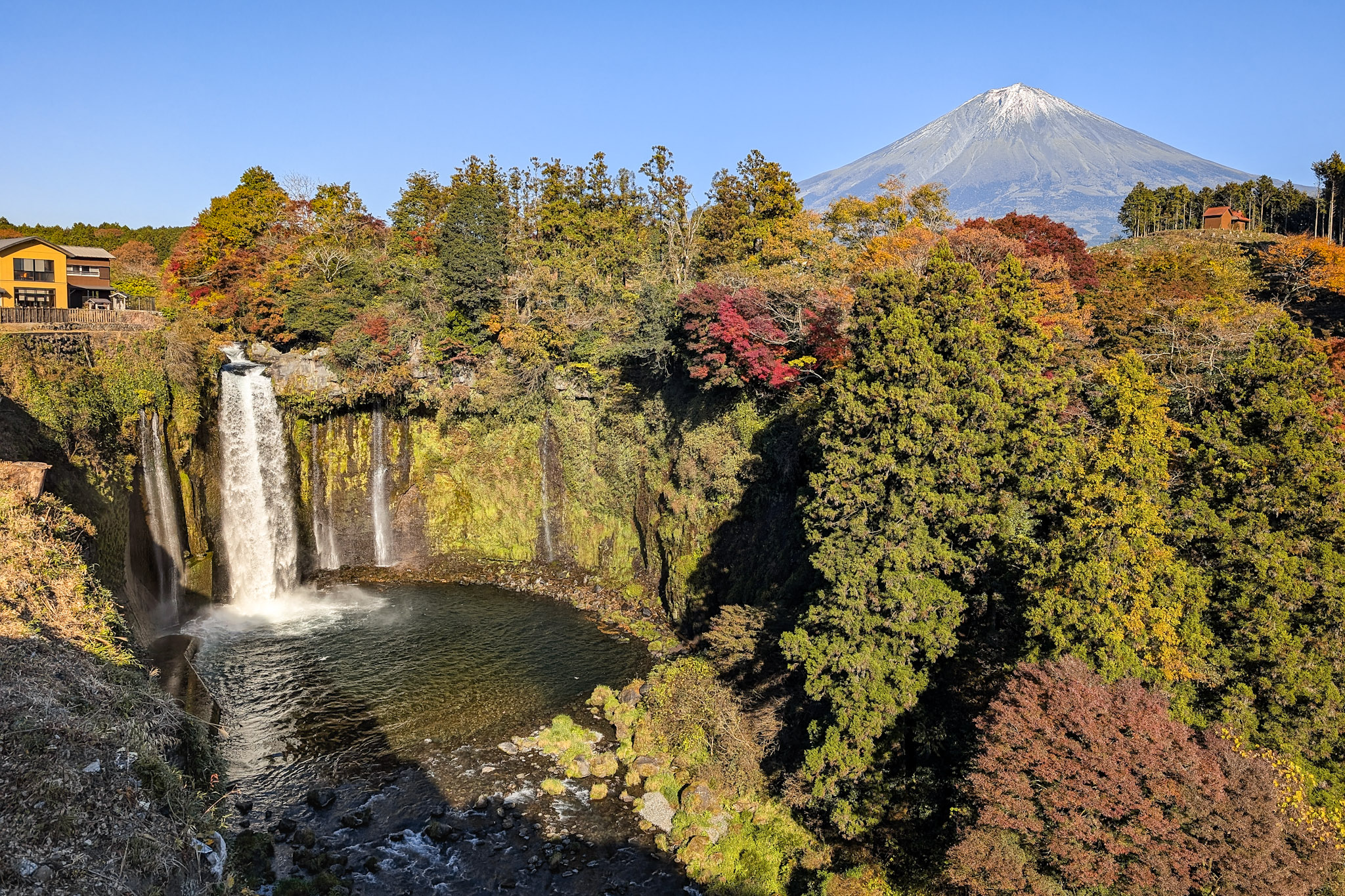
Once we arrived at our designated tour stop, the guide led us all down to Otodome Falls on the Shiba River. It was a powerful 25-meter-high (82 ft) waterfall; however, the setting it was in was what made it so popular. The waterfall was crashing down a circle-like cliff, engulfed by colorful fall trees with Mt Fuji in its background. Was this even real?
Just a short 3-minute walk in the other direction was another waterfall – Otodome’s big brother, the Shiraito Waterfall. Ranked among the most beautiful waterfalls in Japan, the 150-meter-wide (492 ft) cascade was fed by the volcano's spring water and flowed off the edge of a 20-meter-high (65 ft) cliff in thin white streams that resembled hanging threads of silk - hence its name.
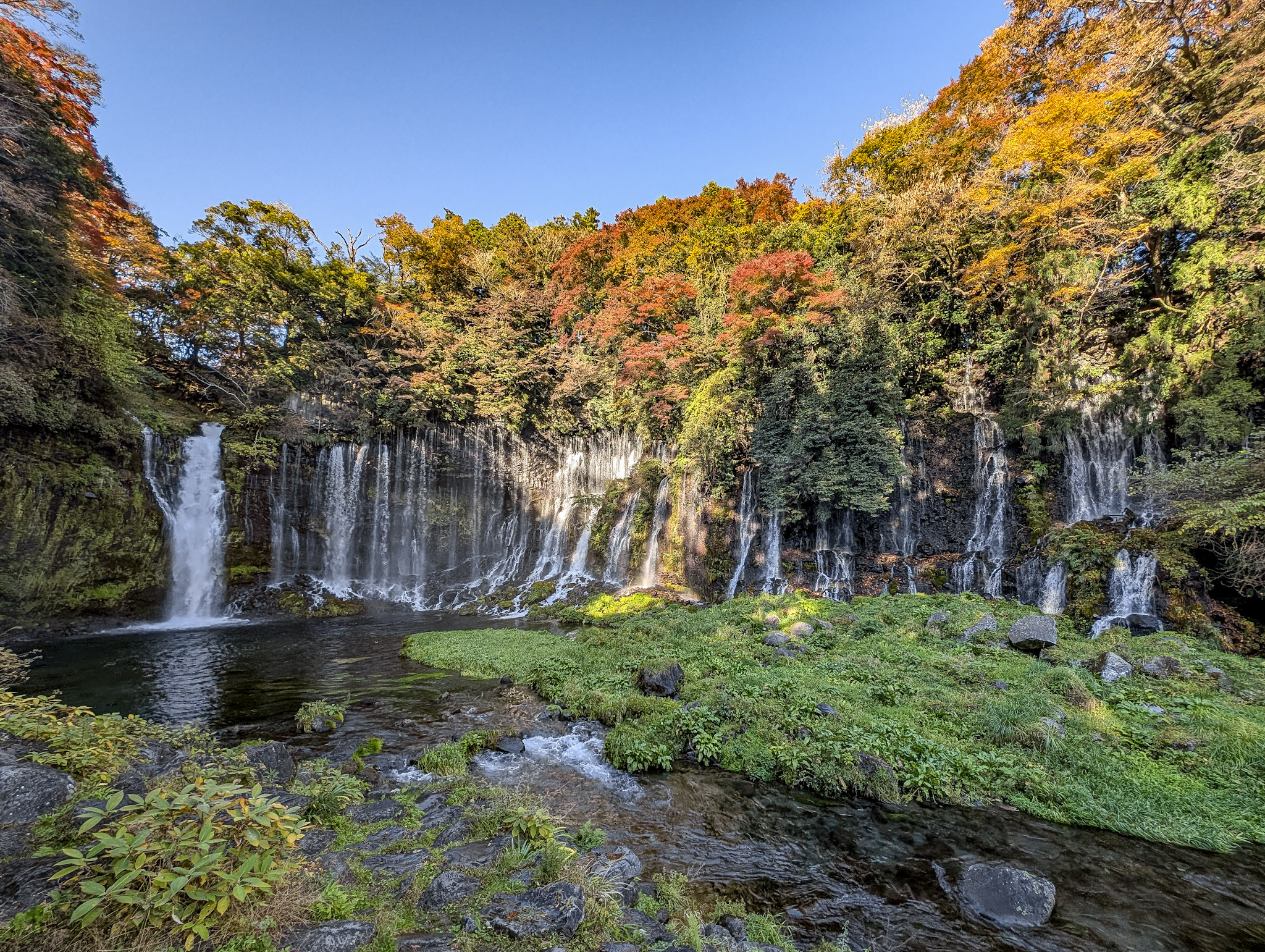
Although our timing (late afternoon) was not the best light for photography here, it was still incredibly beautiful.
Obuchi Sasaba Tea Plantation
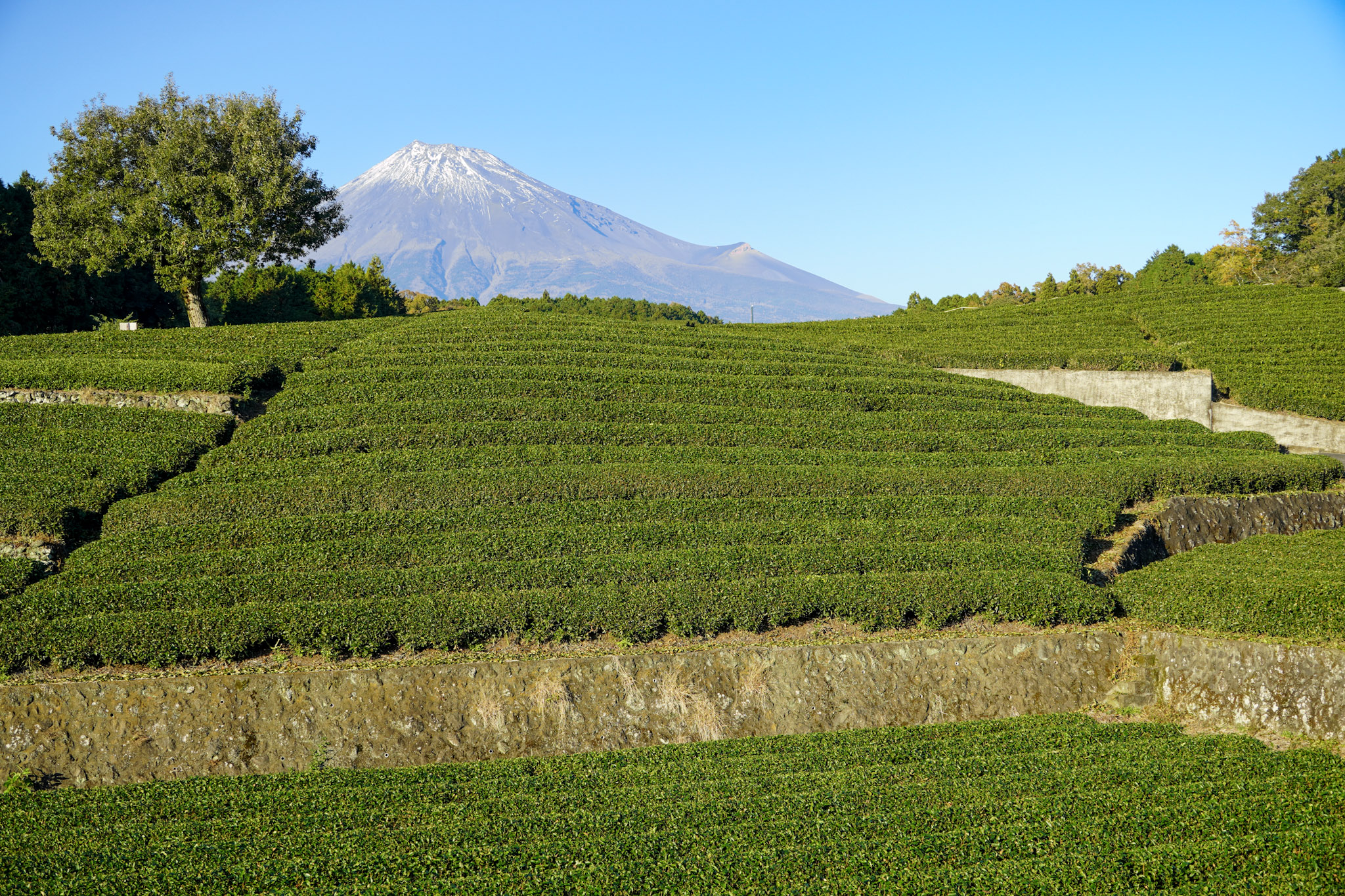
From here, we only had one more last stop to make – a tea plantation. Tea plantations at the base of Mount Fuji (Shizuoka Prefecture) grow about 40% of all of Japan's green tea and are the largest tea producers in Japan. The area boasts the longest history of tea production in the country, making it the heart of Japanese tea culture. And we were honored to make a stop at one of these plantations, Obuchi Sasaba, to sample their tea (which was also available for purchase) as well as admire the terraced tea fields against the mountain backdrop.
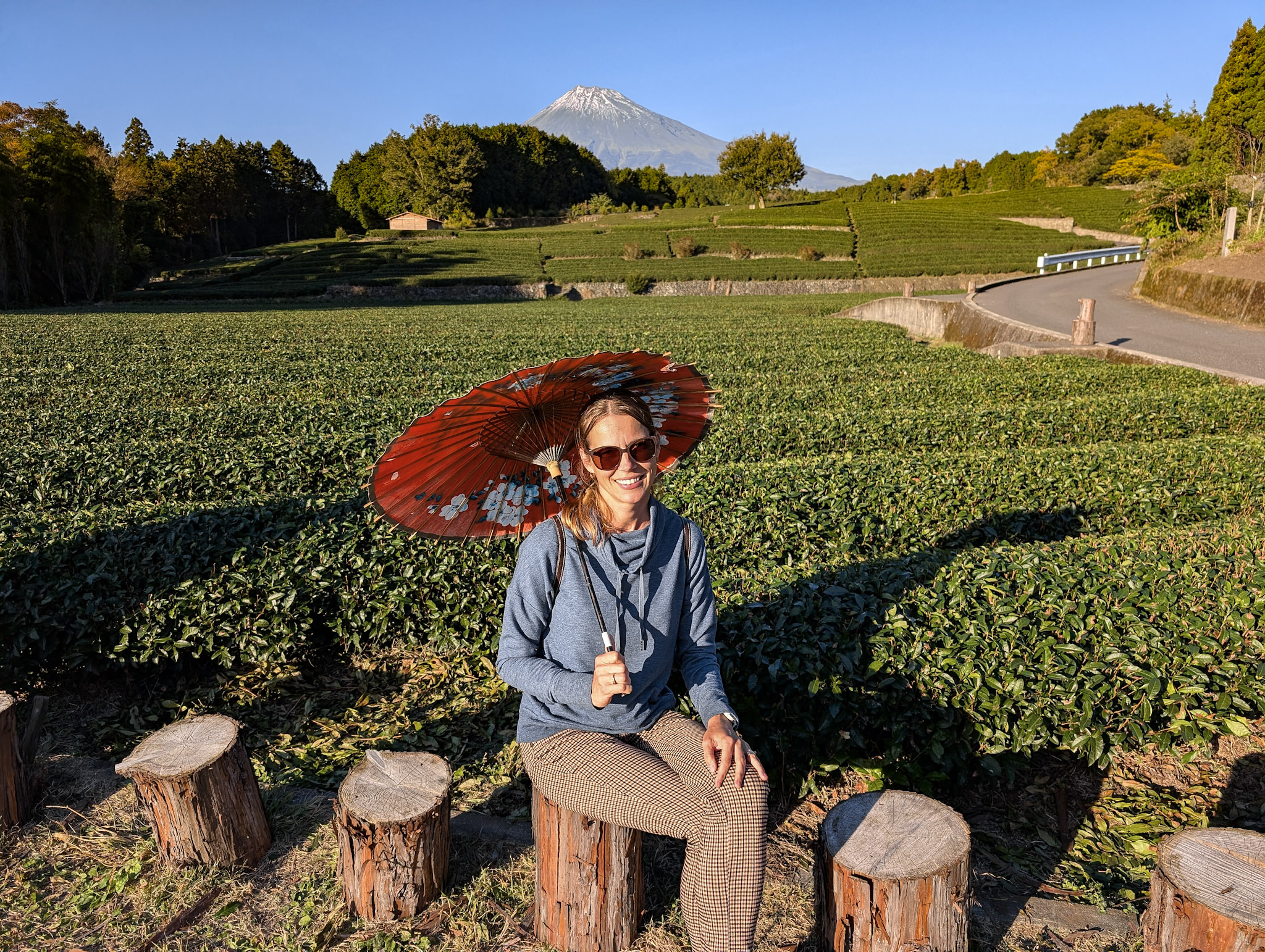
As this was our last stop, people took their time walking through the plantation, trying the samples and just taking it all in. There was no guided walk or an hour-long presentation. Just us and nature – peace and quiet.
Drive back to Tokyo took almost 3 hours. It was dark, and we finally reached Tokyo at 8 in the evening. Tired, we made the 40-minute walk back to our hotel and headed to sleep. Tomorrow will be another busy day.
DAY 3 – Getting to Know Tokyo
Although, theoretically, it was our third day in Tokyo, it was truly the first one where we got to spend the whole day exploring the city. And we were very much looking forward to it! Unfortunately, the weather was not on our side this time, as it was overcast and very gray. But at least it wasn’t raining. And we were still thankful for the blue skies and perfect visibility on our Mount Fuji day yesterday, so we were definitely not complaining.

Ueno Park
We started our day with a walk to Ueno Park. Along the way, we did not forget to stop at one of the many vending machines for a hot coffee and a local 7/11 for some breakfast snacks. 7/11s in Japan were not at all like the ones we were used to in the US. In Japan, they were very popular small family marts with lots of hot and cold food choices, fresh snacks, sandwiches and drinks to grab on-the-go. Lawson’s and 7/11 were our go-to shops for daily snack needs when we had no time for proper meals.
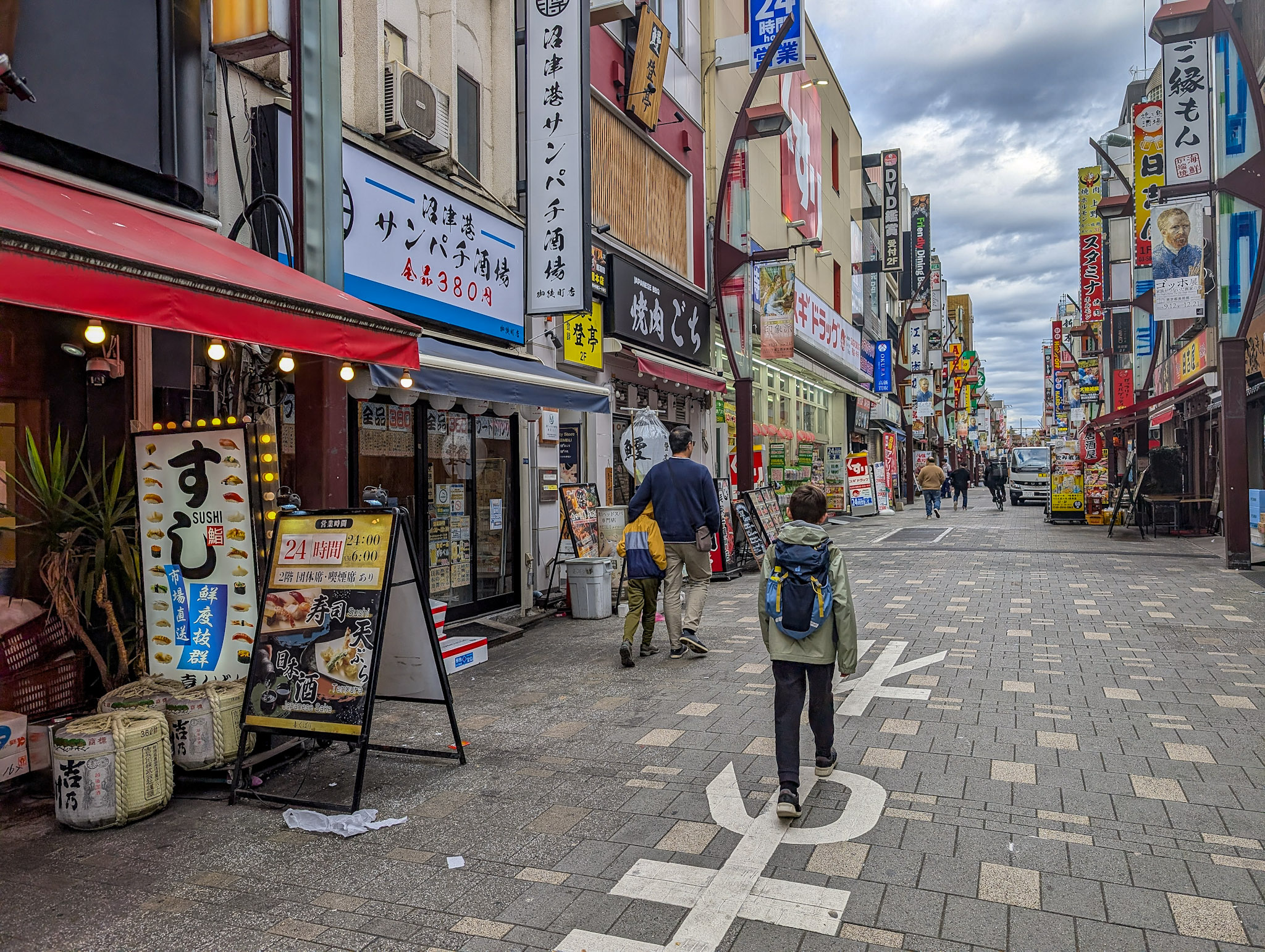
Ueno Park was established in 1873 as a public park on lands formerly belonging to the temple of Kan'ei-ji. Ueno had a mix of culture, history, nature, and vibrant city life, as it packed museums, Ueno Zoo, shrines, temples, a pond with boats, and the bustling market all in one large, accessible urban oasis, making it perfect for a full day of exploration.
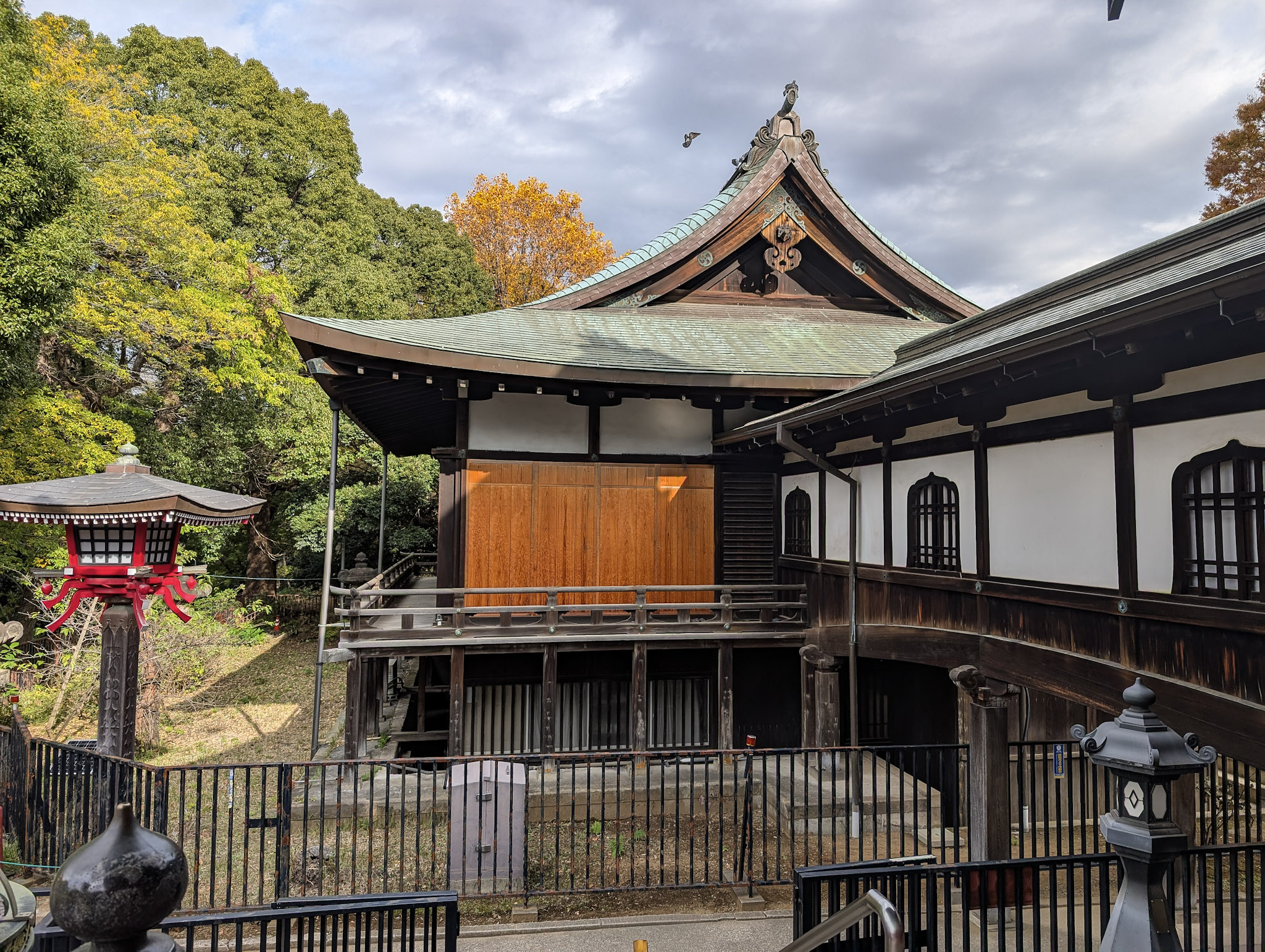
With no particular destination, we crisscrossed the park from one end to the other, stopping at sights that seemed interesting and piqued our interest. And there were so many hidden gems here! When we thought we were just rounding a bushy corner, there was suddenly a small temple behind it. When we approached a gate, there was a shrine hiding…
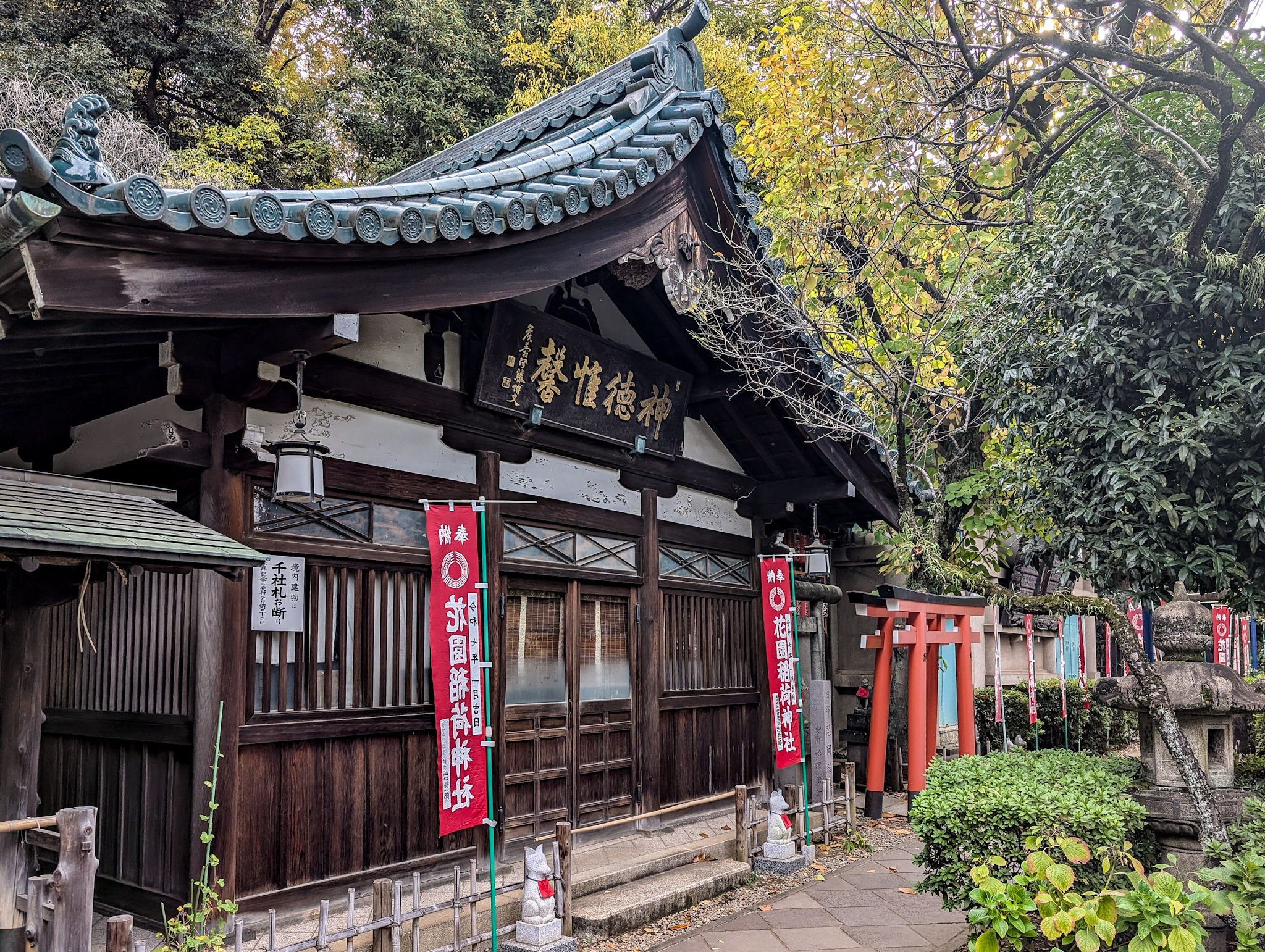
All the little pathways and alleys always led to something magical. And although Japanese culture and its religion was not something we were intimately familiar with, just admiring the architecture and little details of their shrines, temples and pagodas was enough to impress us.
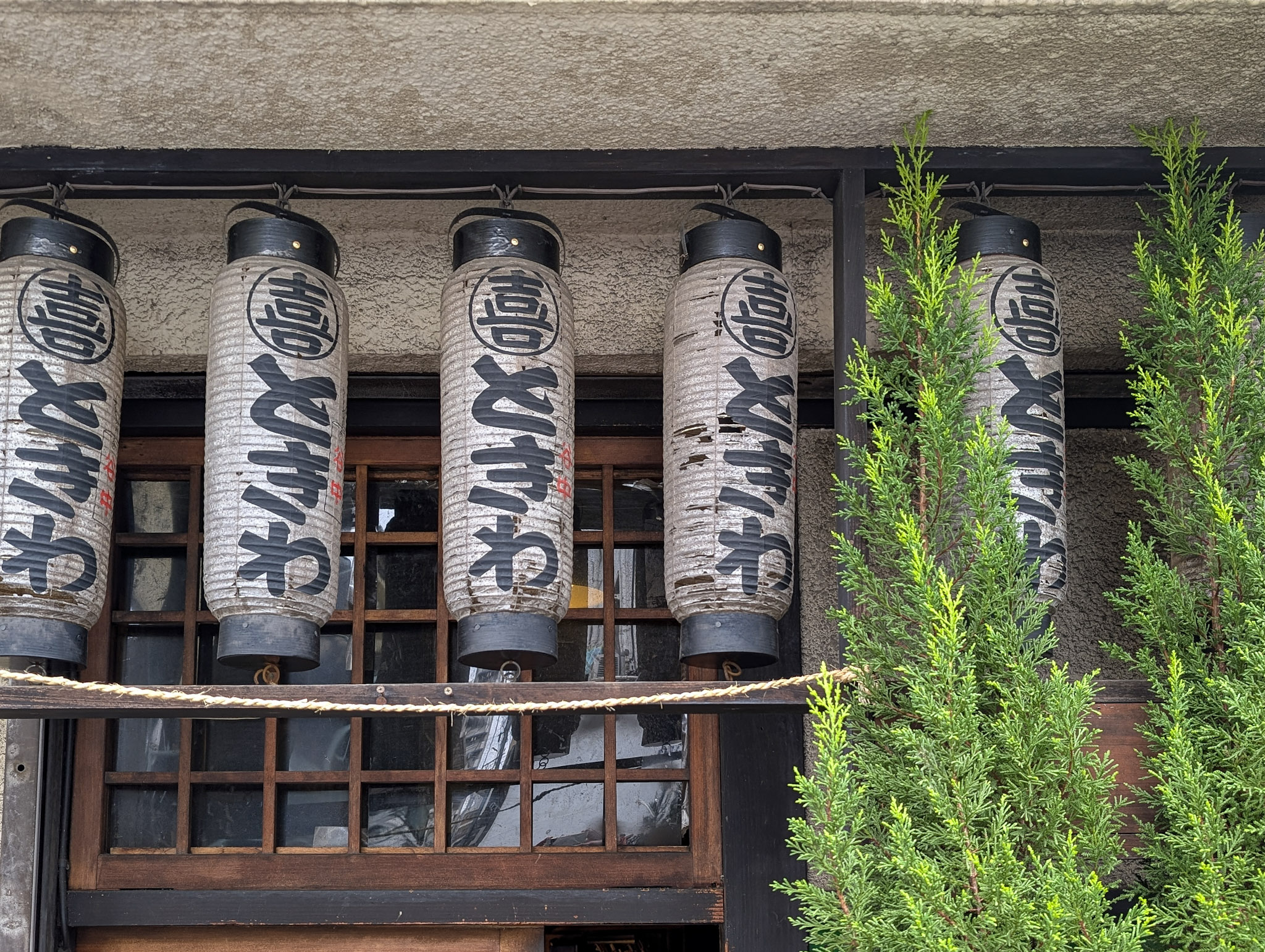
Yanaka District / Ginza
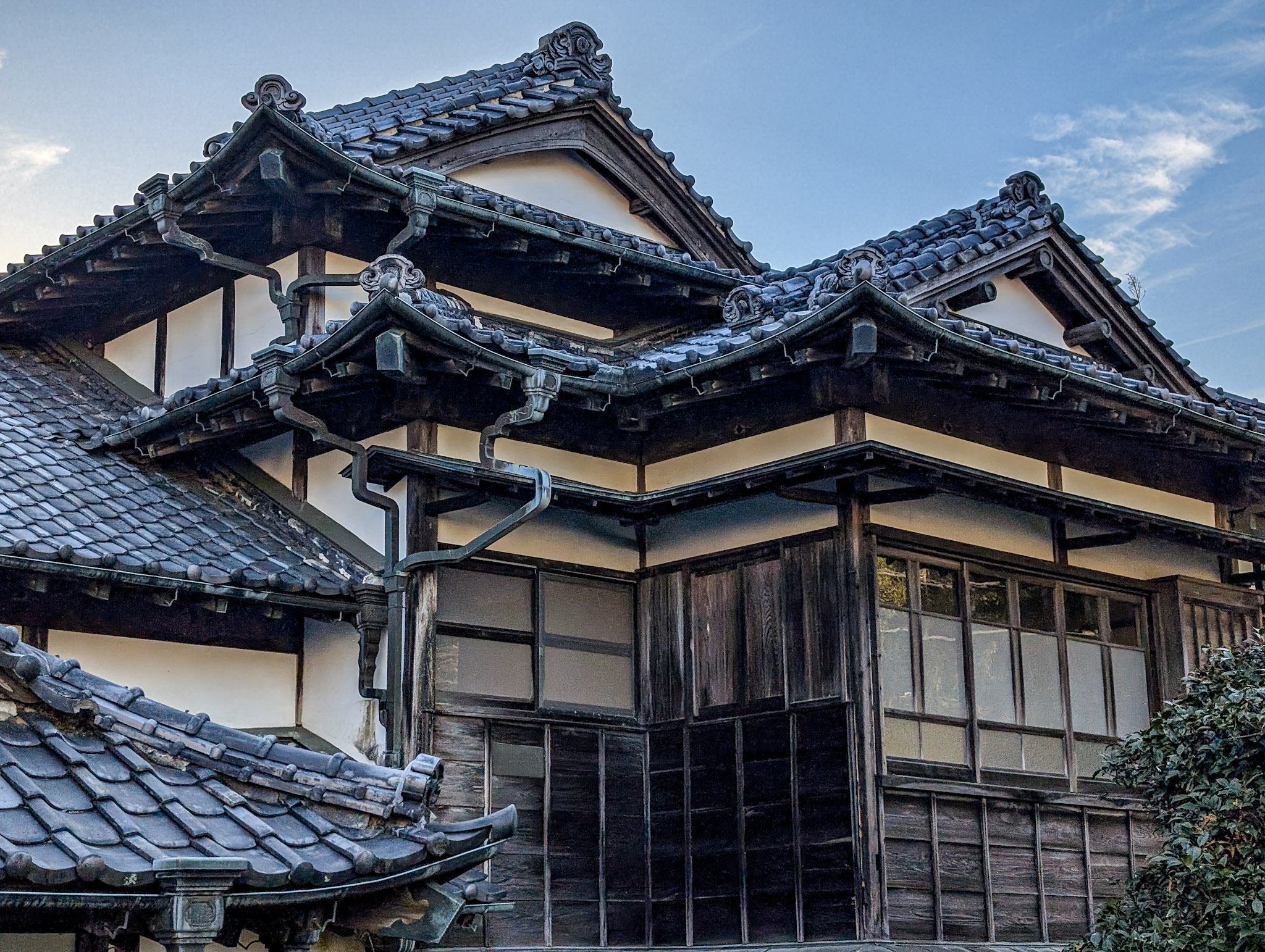
The lesser-explored nostalgic charm of this neighborhood was what drew me to put Yanaka on my must-see list. Here, traditional wooden houses, quiet temples, and small family-run cafes created a relaxing atmosphere known for its community feel, artisan workshops and glimpses of Tokyo’s past.
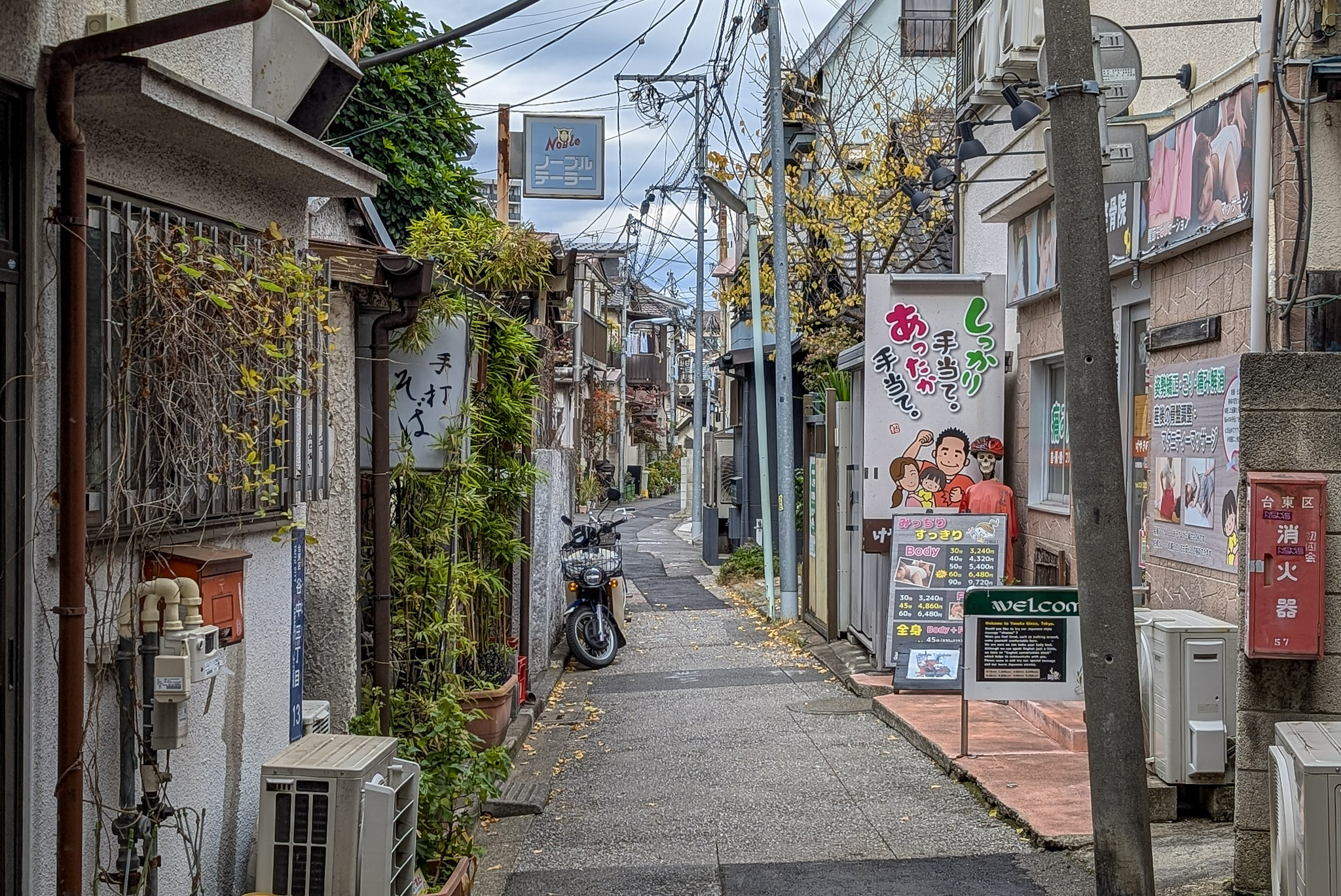
The narrow alleyways were hiding generations of family stories, and freshly baked bread with roasted coffee aroma made it all feel very homey. The main attractions of Yanaka were the Ginza Shopping street, historic Yanaka Cemetery and Tennoji Temple.

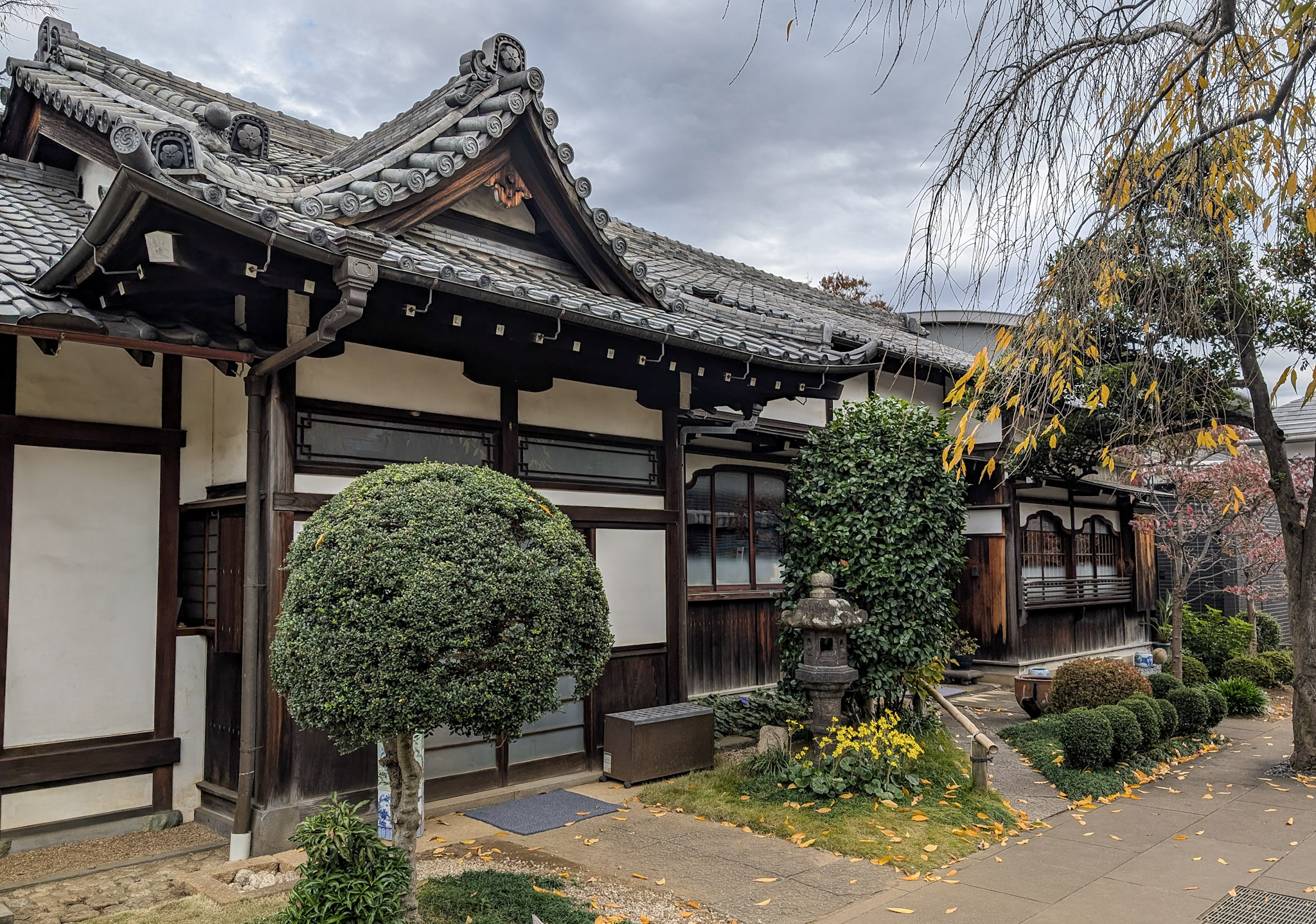
And while we indeed visited all these sights, the overall historic charm of the neighborhood was what I loved most about it. We grabbed coffee and purchased some fresh pastries (cash only!), and disappeared into the neighborhood.
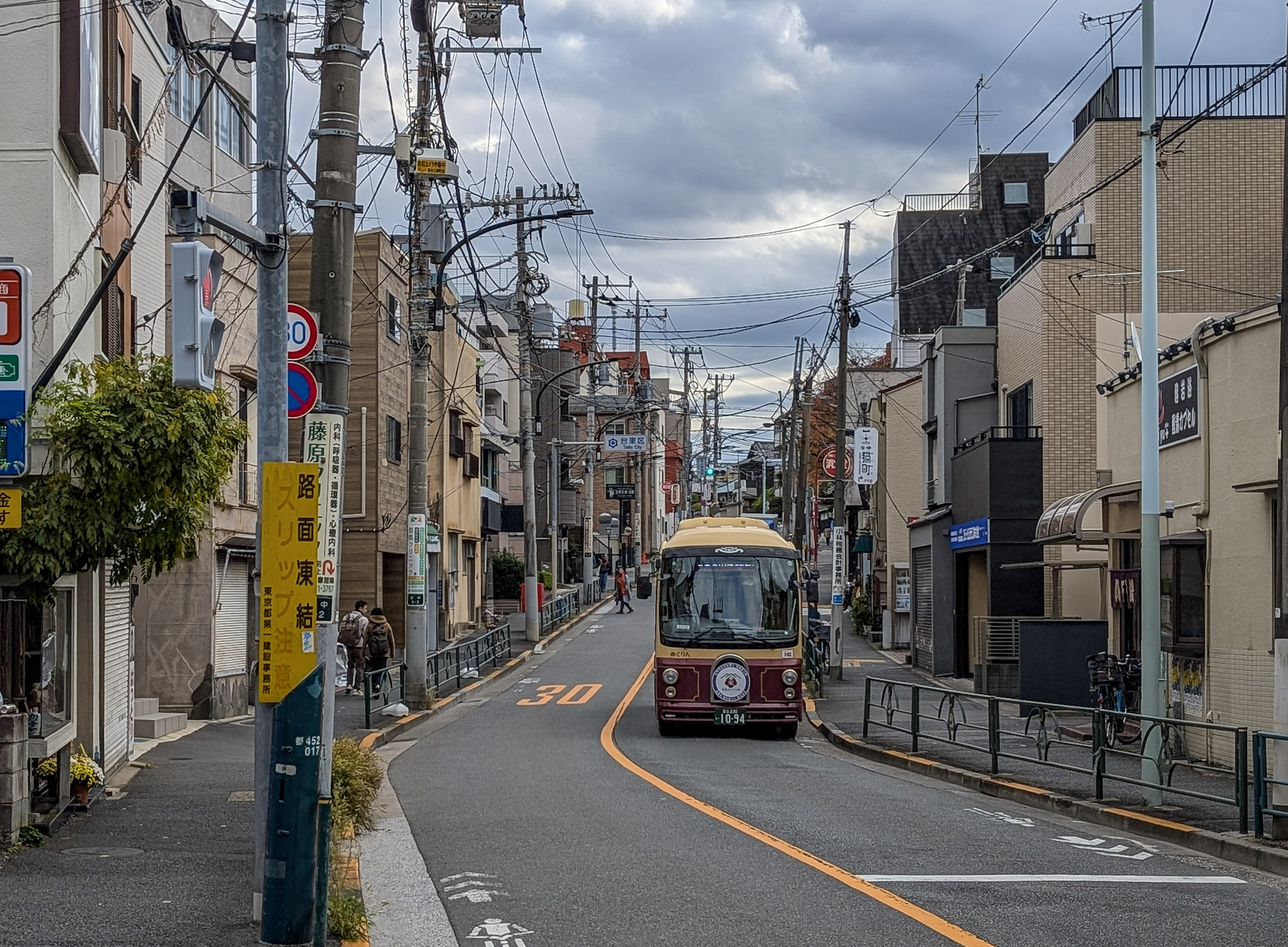
And as we walked around with our empty coffee cups and pastry bags, we started to realize something I had read about before - the lack of trash cans! They were nowhere to be found! In some instances, we were carrying a bag of wrappers, empty cups, bottles and cans with us for hours (!) until we finally located a single trash can. This was one of the very few frustrating aspects of Tokyo (and Japan as a whole). The Internet gave various reasons as to, presumably, why public trash cans were not available in Japan but, in the end, there was really no one common reason. However, despite the lack of garbage cans, the streets were very clean all around.
Kappabashi Street / Kitchen Town
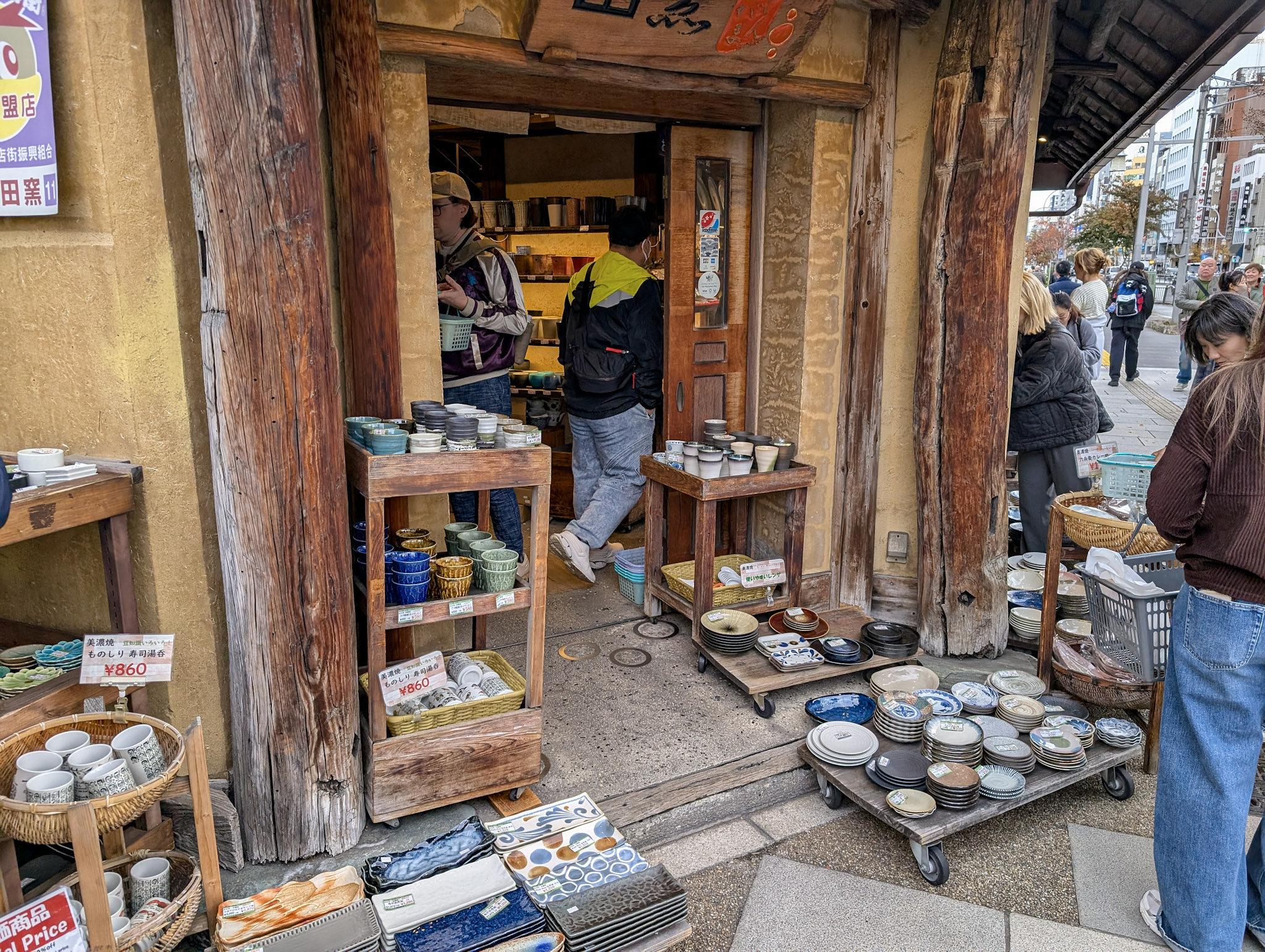
After we had explored all the sights of Yanaka, we started a 3km (1.8mi) walk towards another one of Tokyo’s famous districts – Kappabashi-doru or also known as Kitchen Town. It was a district almost entirely populated with shops supplying the restaurant trade.
These shops sold everything from handcrafted Japanese knives and other kitchen utensils, to mass-produced crockery, restaurant furniture, and decorations. If one was looking for some unique souvenirs to bring home, this place definitely had it.
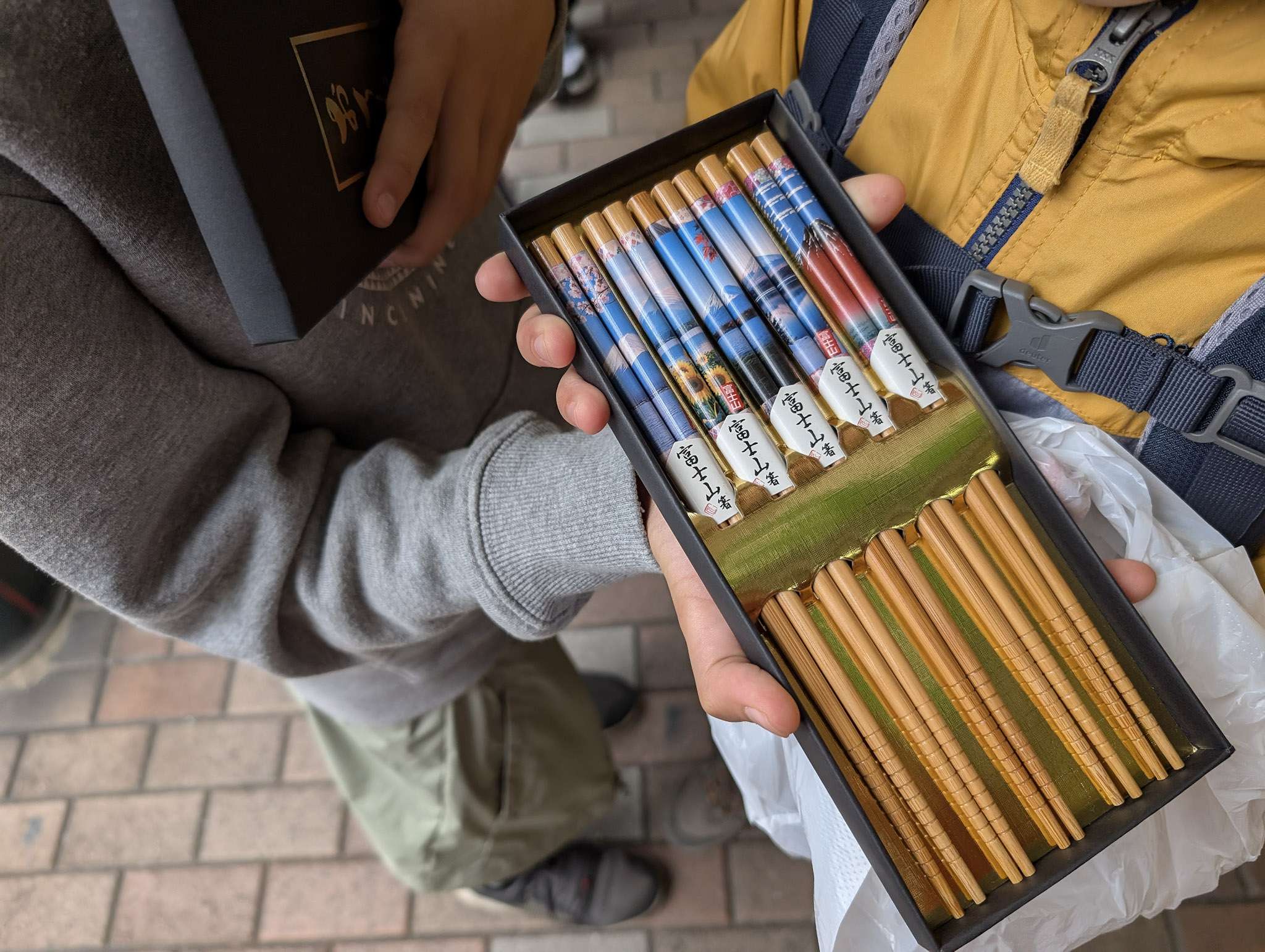
Our boys noticed some chopsticks with Mount Fuji paintings and asked us to buy them. It was a great little souvenir reminding us of our trip to Mount Fuji, our time in Japan, and at the same time it was also a practical item that we could use. So, we let the boys each pick their own set which they were very happy about.
Speaking of another unique thing we noticed in Japan – the food displays! Custom ordered plastic food displays could be found outside almost every restaurant, café, waffle stand, ice cream truck… you name it. Like we had menus with pictures in the USA or Europe, Japan had big glass displays with plastic food, also called sampuru, derived from English 'sample'.
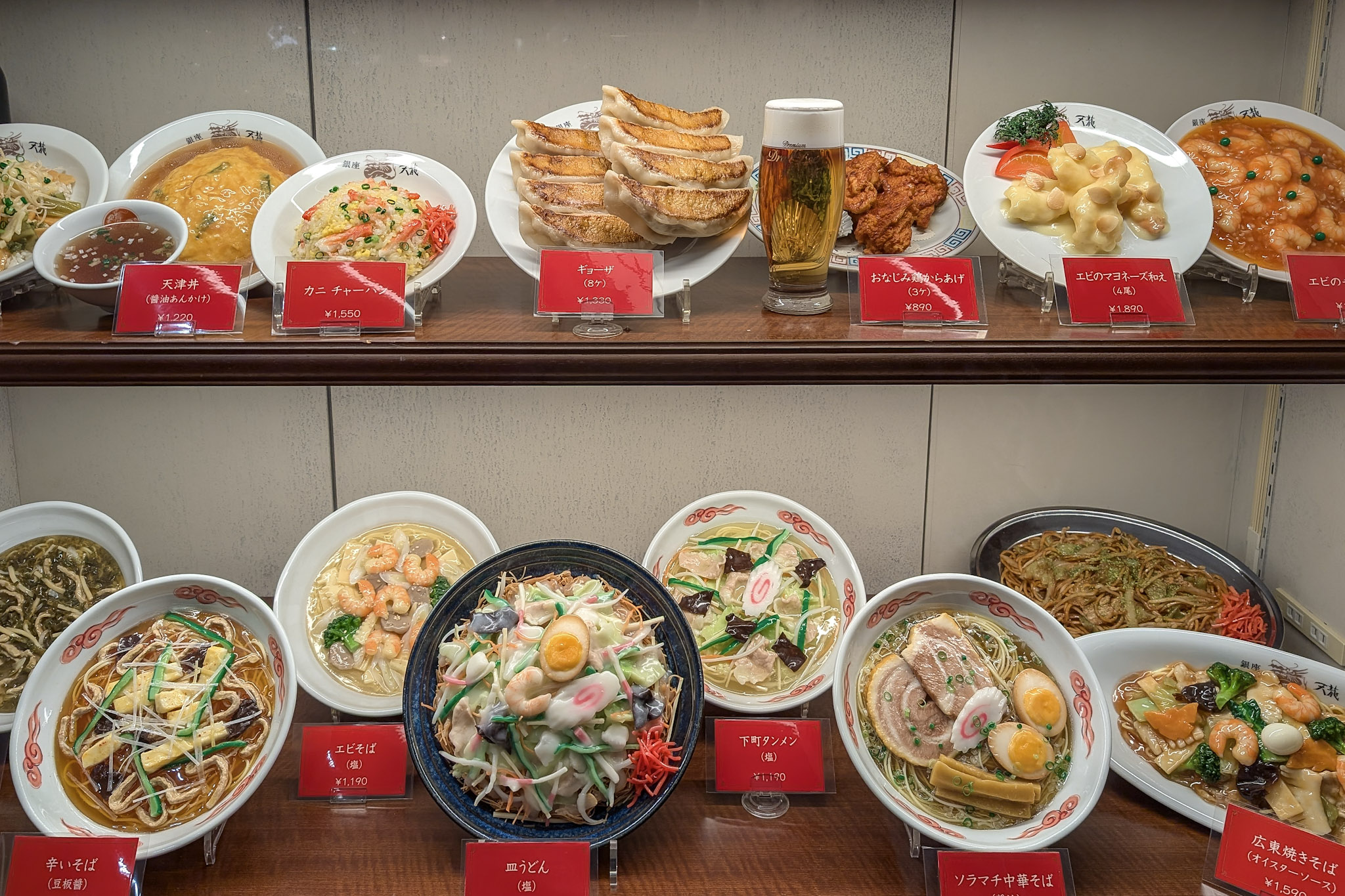
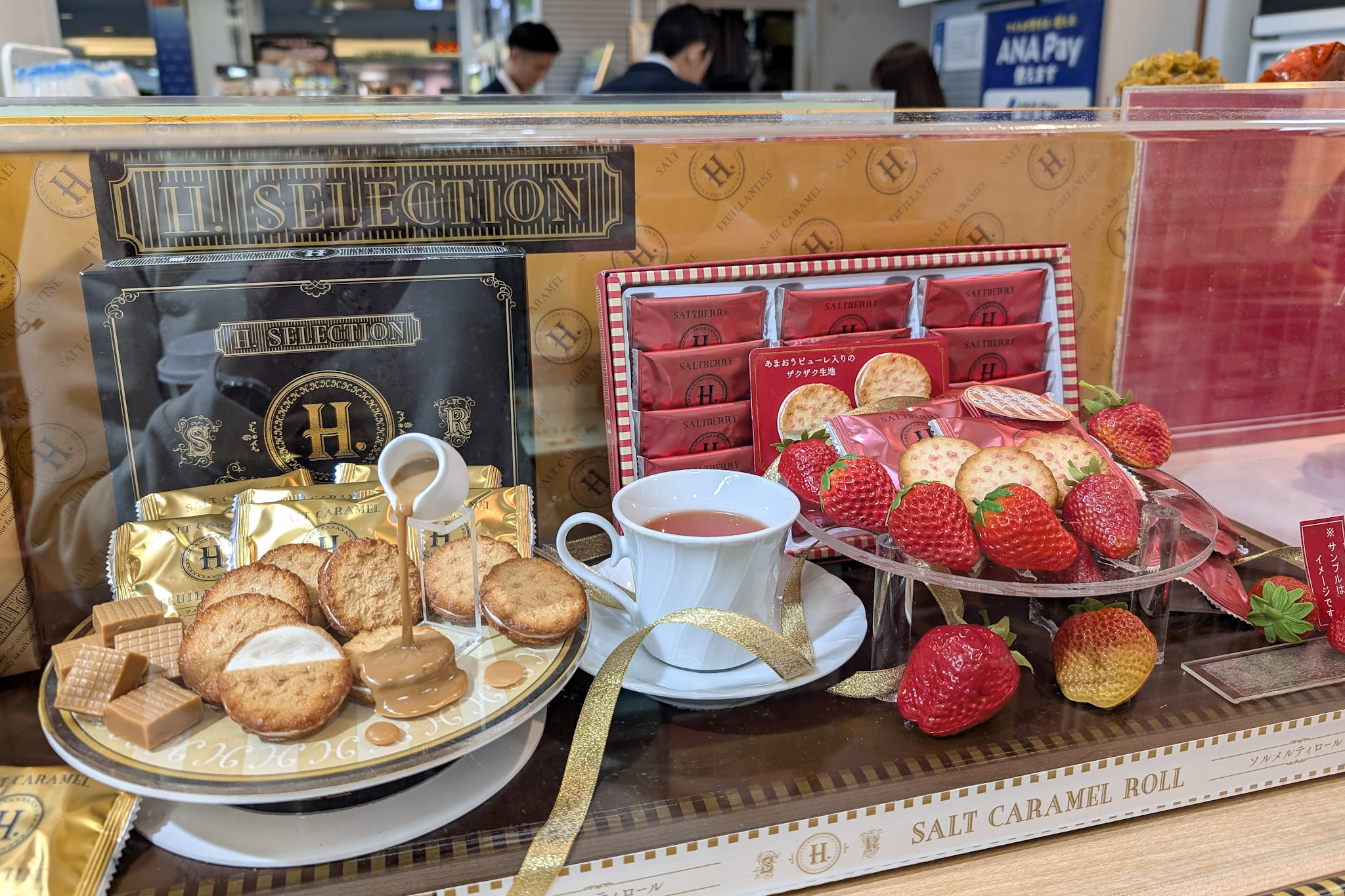
Here at Kitchen Town, several stores offered custom plastic food models for potential restaurant owners. For us, it was just a very unique thing to look at.
Senso-ji Temple
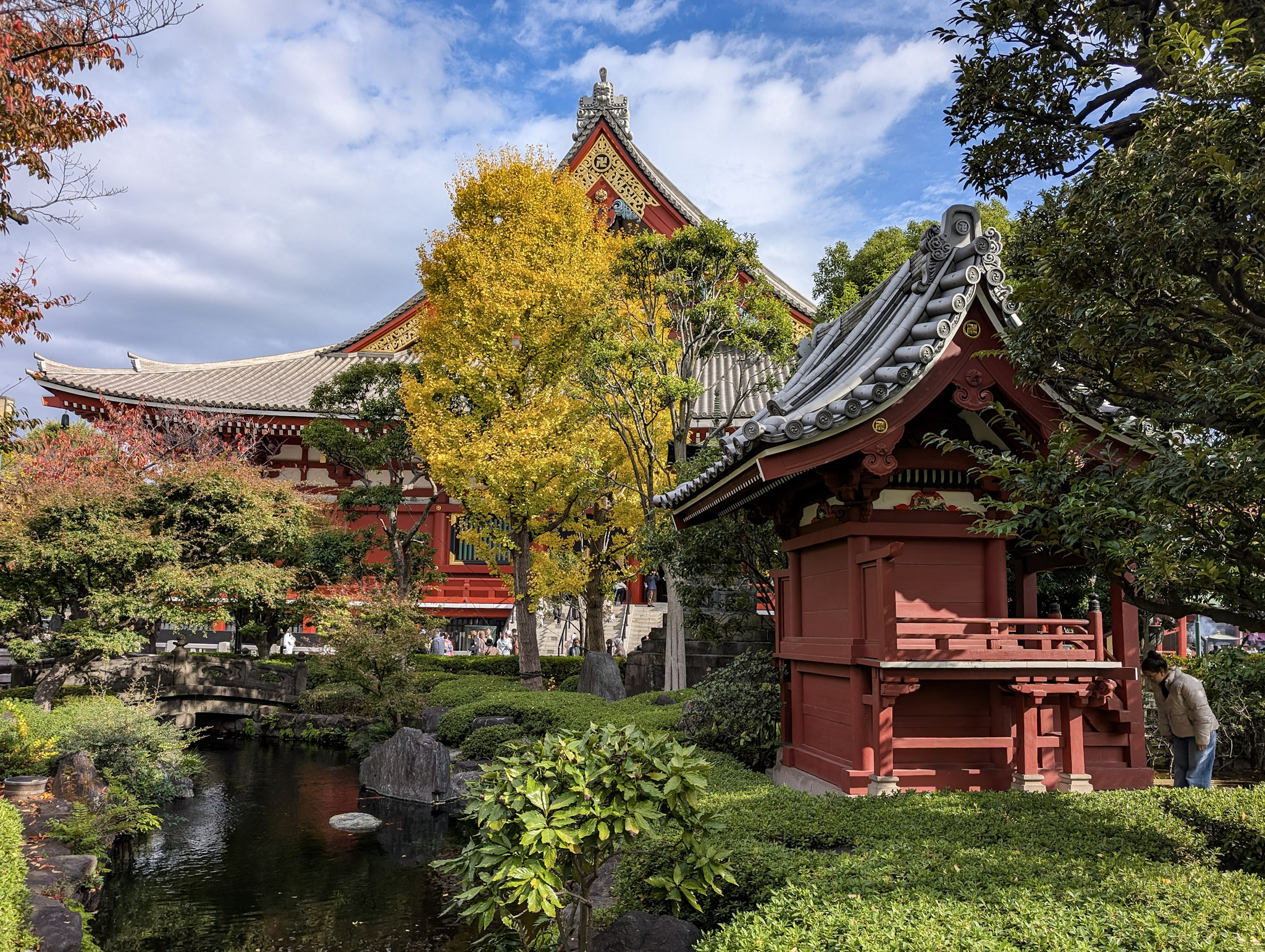
Next stop on our itinerary was Senso-ji, which was undoubtedly one of the most recognizable landmarks of Tokyo. Its large red lanterns had become a symbol of Asakusa neighborhood. Senso-ji was also Tokyo's oldest-established temple, and one of its most significant. Structures in the temple complex included the main hall, a five-story pagoda and large gates. It was the most widely visited religious site in the world with over 30 million visitors annually.
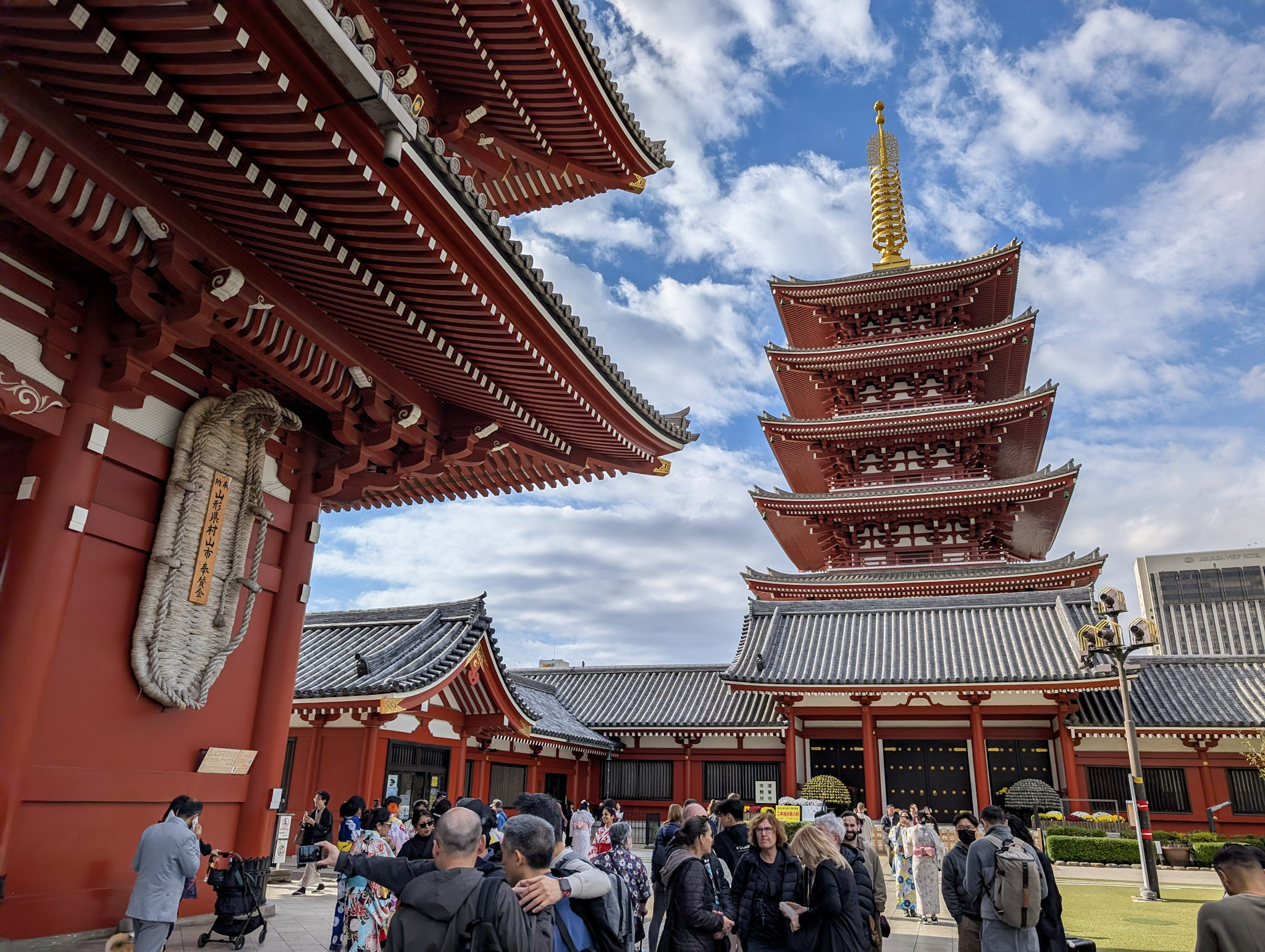
We started our visit on Nakamise Street - the main street leading to the temple, lined with a variety of stores selling souvenirs and food. Although we peaked at some of them, nothing really spoke to us, so we continued on to the temple.
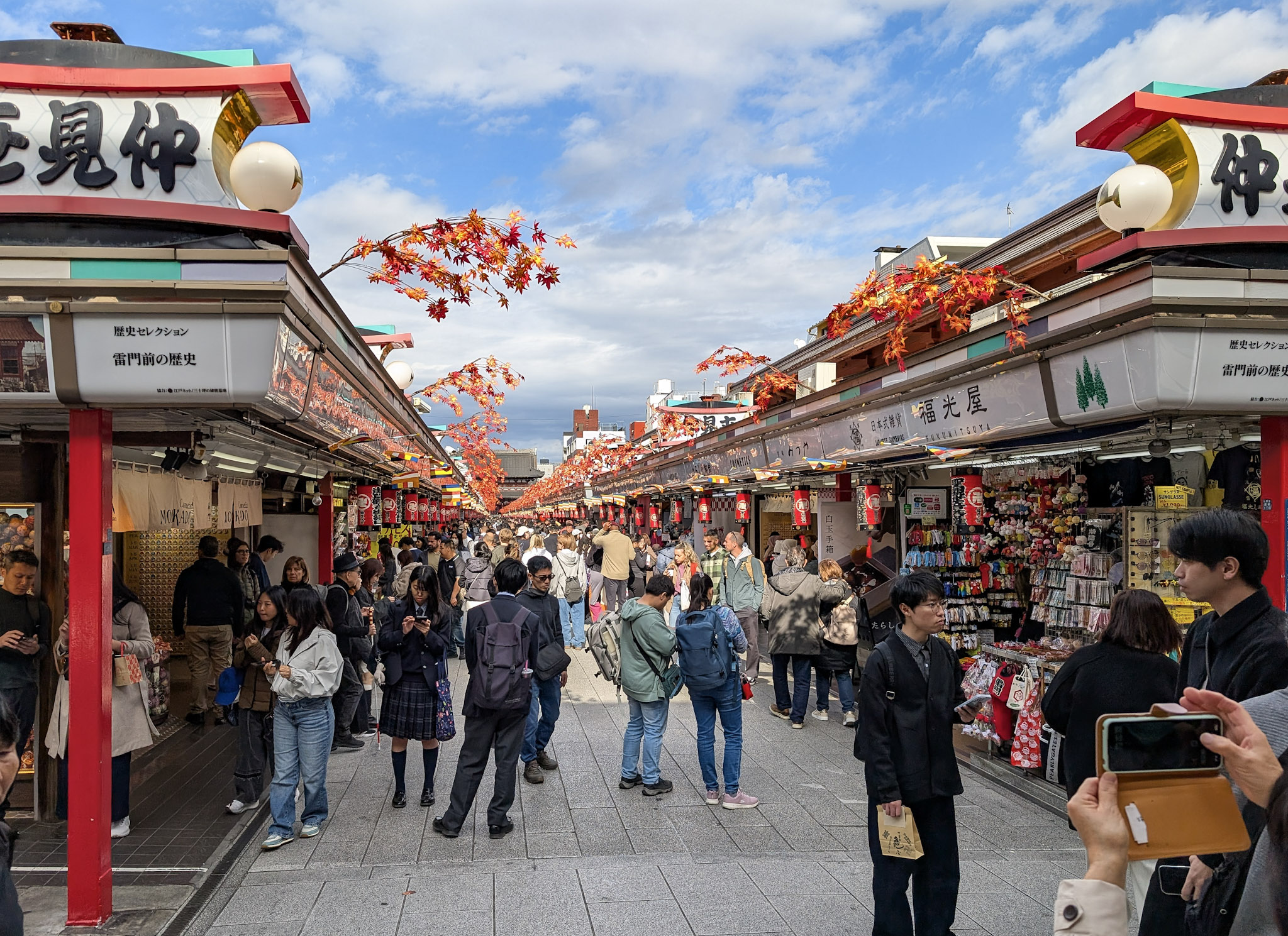
Inside was a large courtyard with various buildings. The rituals that were performed at different “stations” were unfamiliar to us; however, just observing everything was special enough.
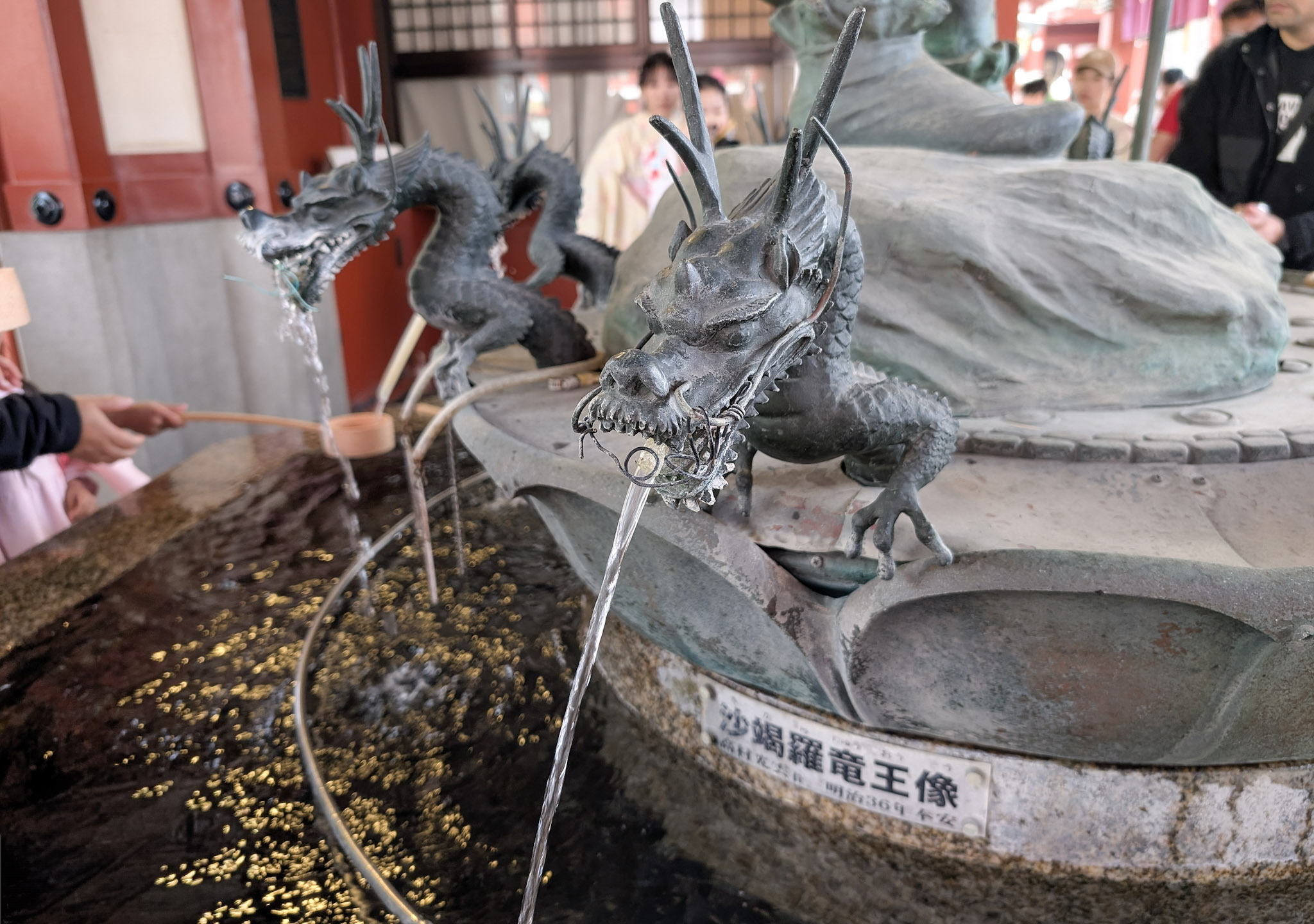
We did know about omikuji though. Those were fortunes written on a strip of paper and everyone could try their hand in drawing one. My boys were all about it. By putting a small donation in a box, they each drew a wooden stick with some Japanese symbols written on them. Then they had to match up this symbol with a corresponding box on the wall and take out their fortune. There could be various fortunes, including bad ones. However, if you did happen to draw a bad fortune, you needed to tie it up and leave it at the temple, and the bad fortune would go away. So, in the end, it was all good anyway.
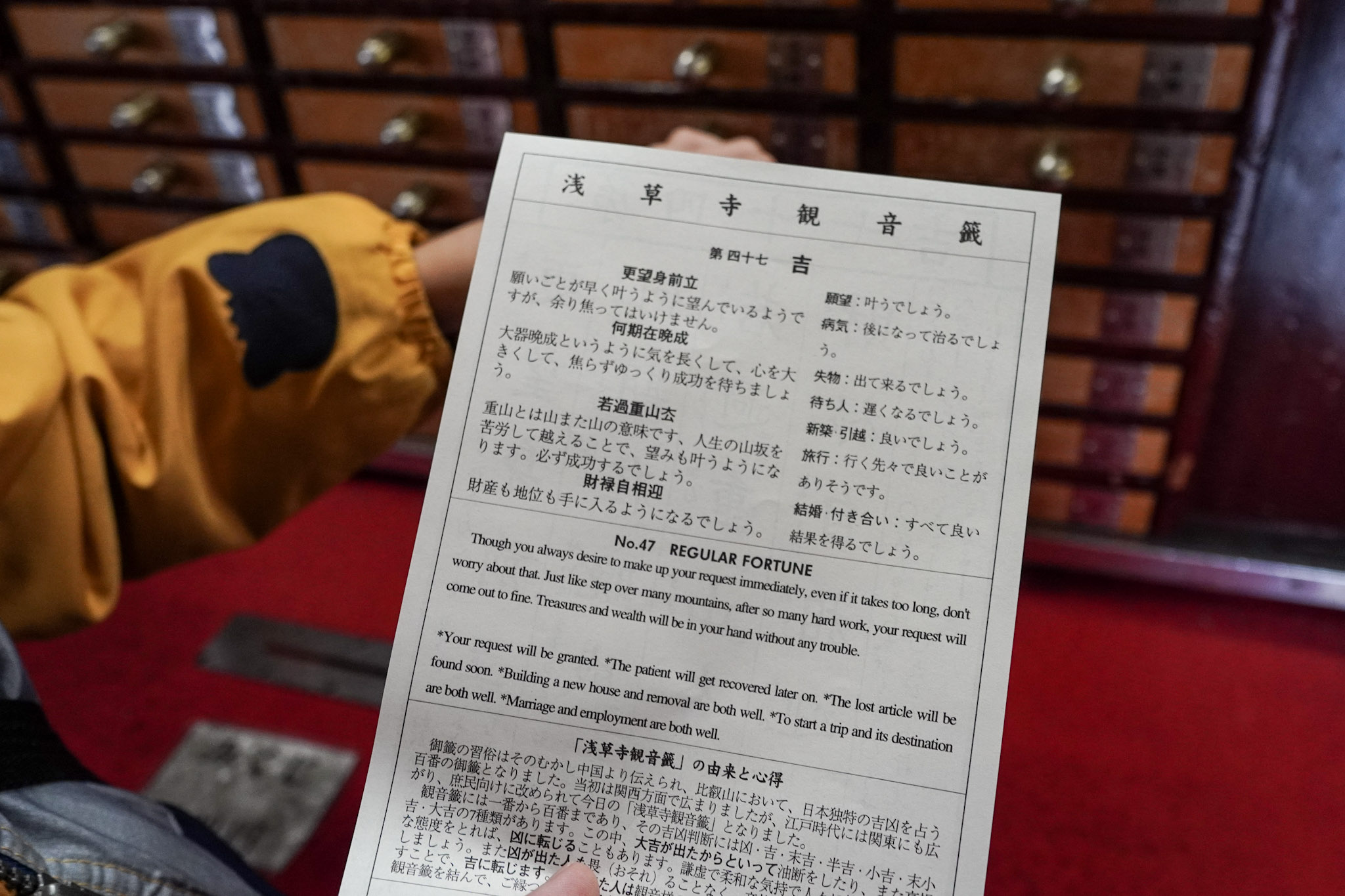

One of our boys drew a “regular fortune” but the other – a bad one. He was very concerned about it and said he would try his luck at a different temple.
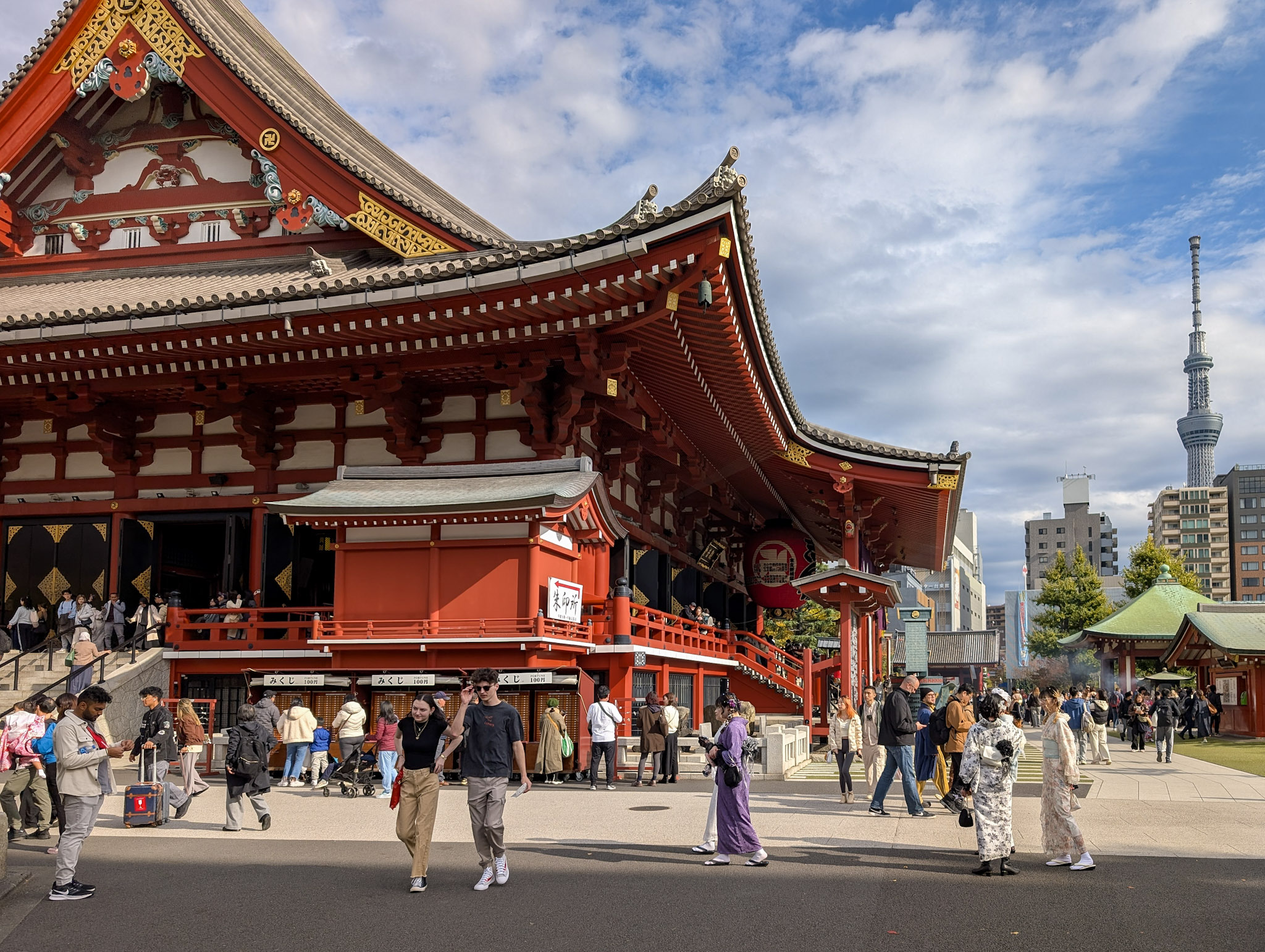
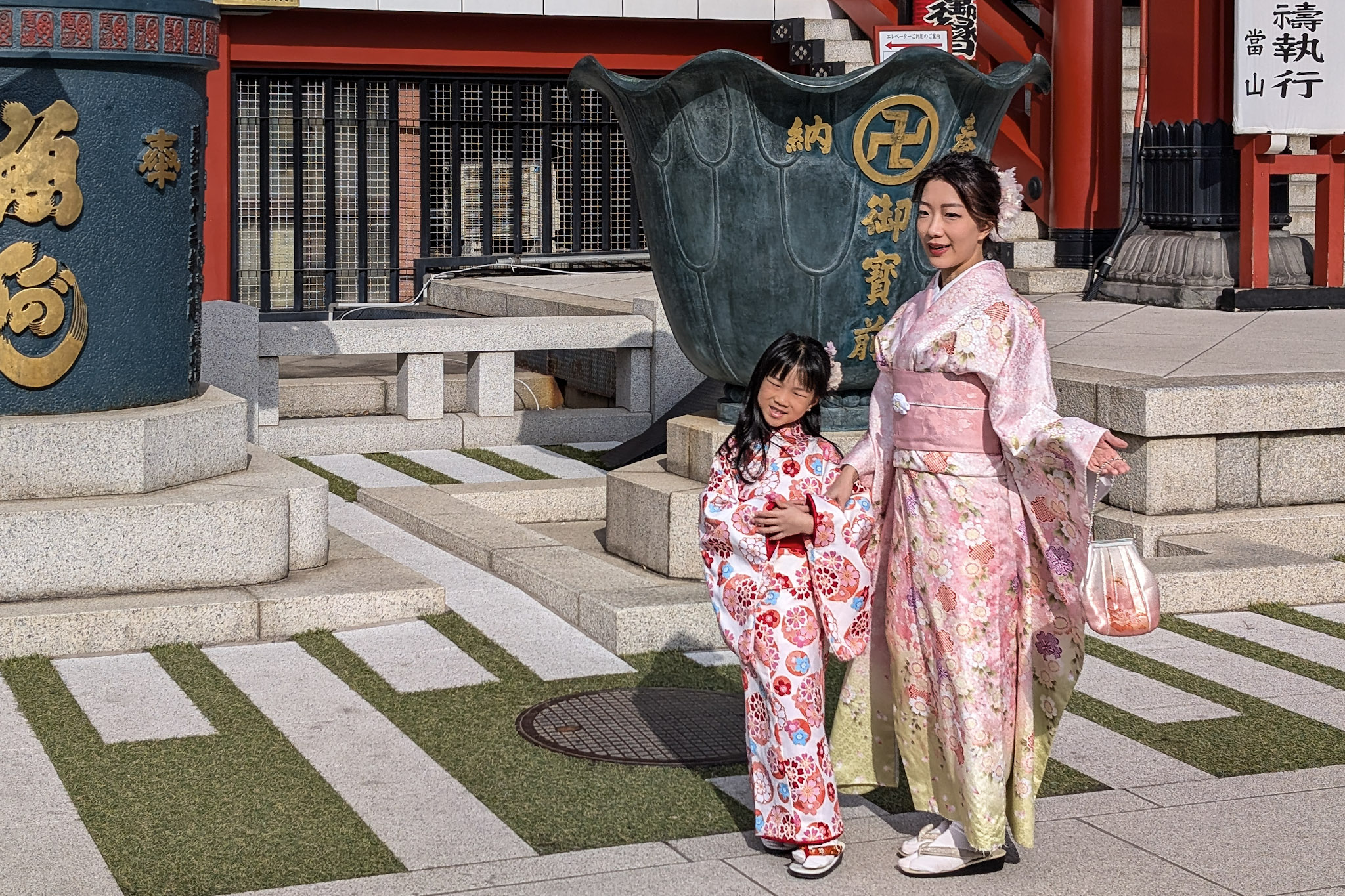
We spent quite a bit of time wandering around the temple and its gardens; admiring all the intricate details and observing rituals people performed. We also noticed that many local women came dressed in traditional Japanese outfits and had hired professional photographers to take pictures of them in the temple setting.
Tokyo SkyTree
We had only one last attraction left for the day which I had reserved timed entry tickets for – the observation deck at Tokyo SkyTree. I was very much looking forward to it.
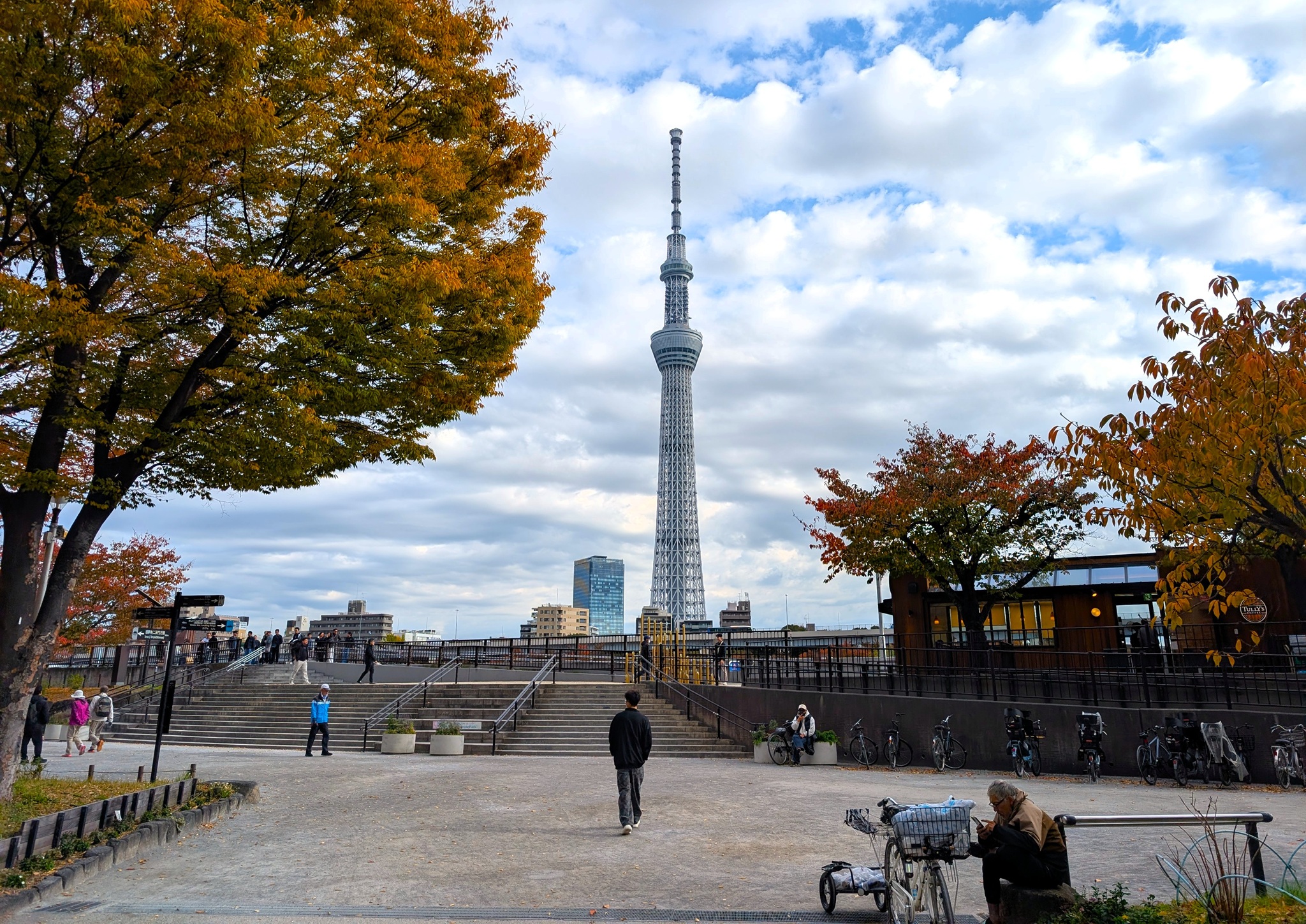
As we arrived a little early for our 16:00 time slot, we still had time to browse the shops at the base of the observation tower, as well as sit down for dinner. Although it was only mid-November, there was already a German Christmas market set up here with gluhwein, pretzels, bratwurst, gingerbreads and lots of other treats and souvenirs.
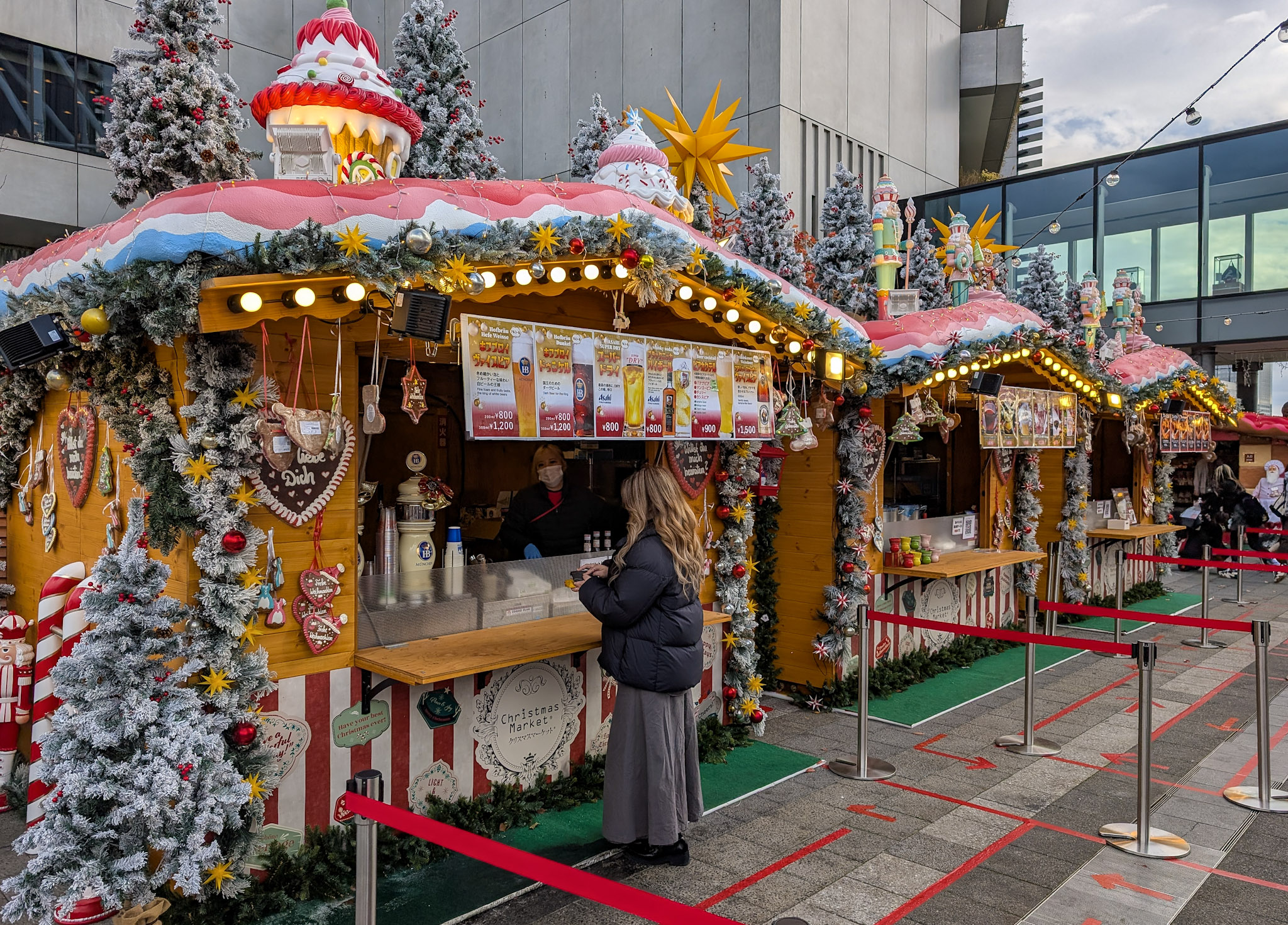
Finally, it was 16:00 and we could go up to the observation platform. As a side note – there was a lower platform at 350 meters (1148 ft), and a higher one at 450 meters (1476 ft). I had purchased tickets for both. But as we later came to find out – that high up in the sky there was not much noticeable difference. Our eyes and minds could not differentiate between the two levels because it was just… high… either way. So, if you wanted to save some money, going just to the lower platform would be plenty sufficient.
An elevator took us up, and as the door opened, we were presented with vast views over Tokyo!
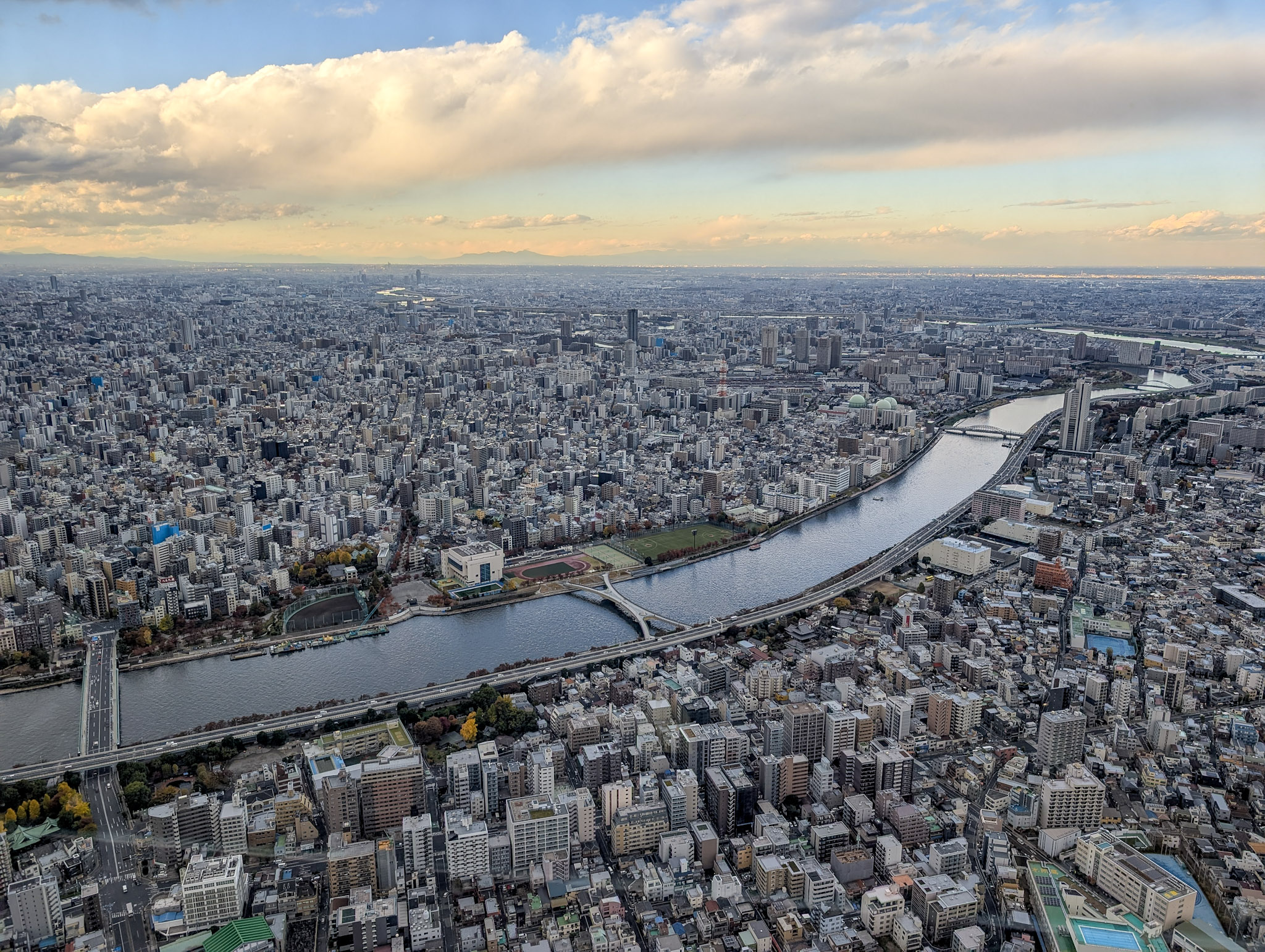
On a completely clear day, visitors could see Mount Fuji from here as well. But due to some overcast skies, that was not the case for us. Nonetheless, the views all around were incredible. And I had intentionally picked a timeslot that would let us see Tokyo during daylight, sunset and then illuminated at night.
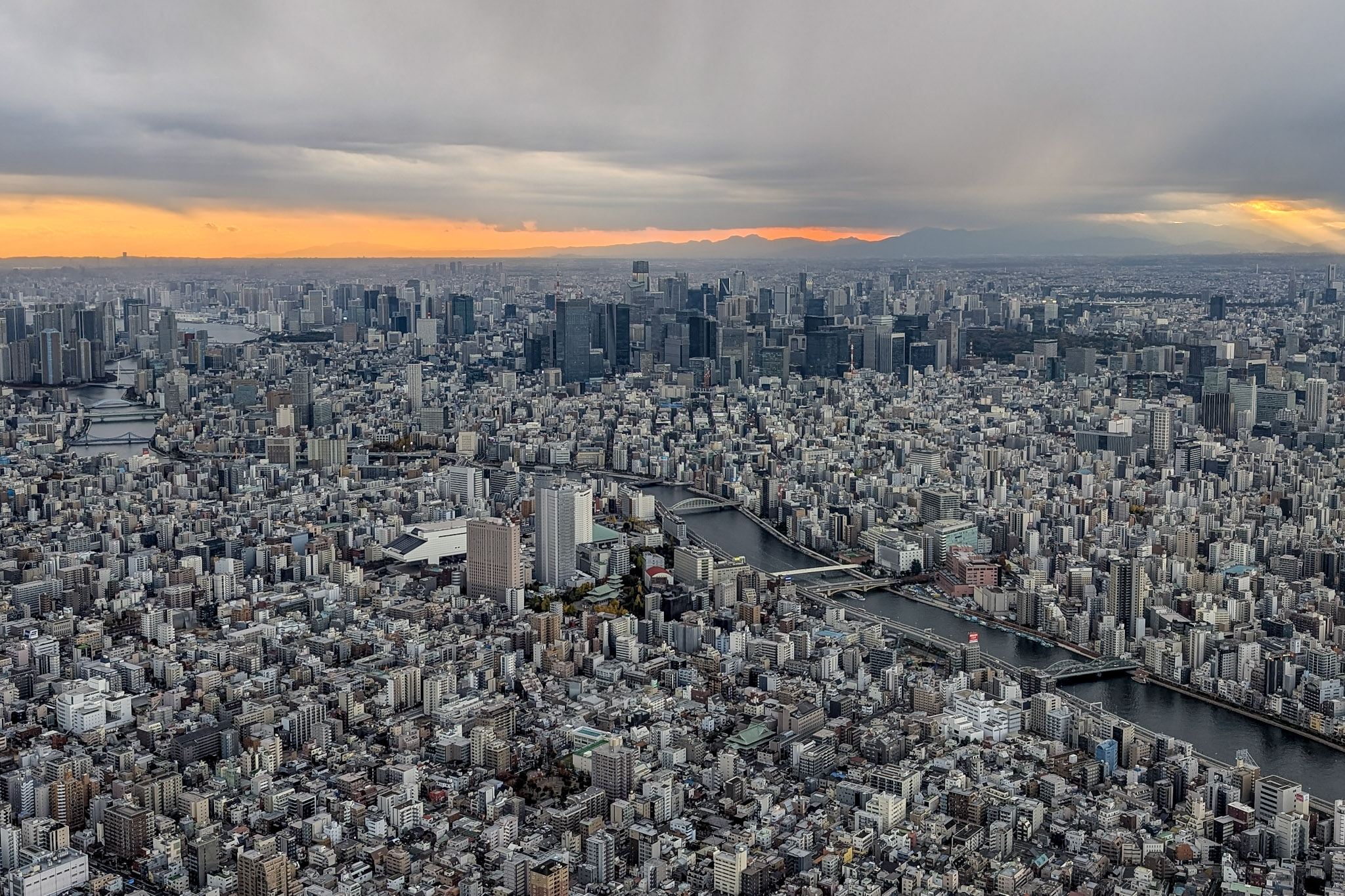
As the sun was dipping below the horizon, we took the second elevator up to the higher platform to see Tokyo at night from there. We just sat on one of the many windowsills and admired the view for a long time.
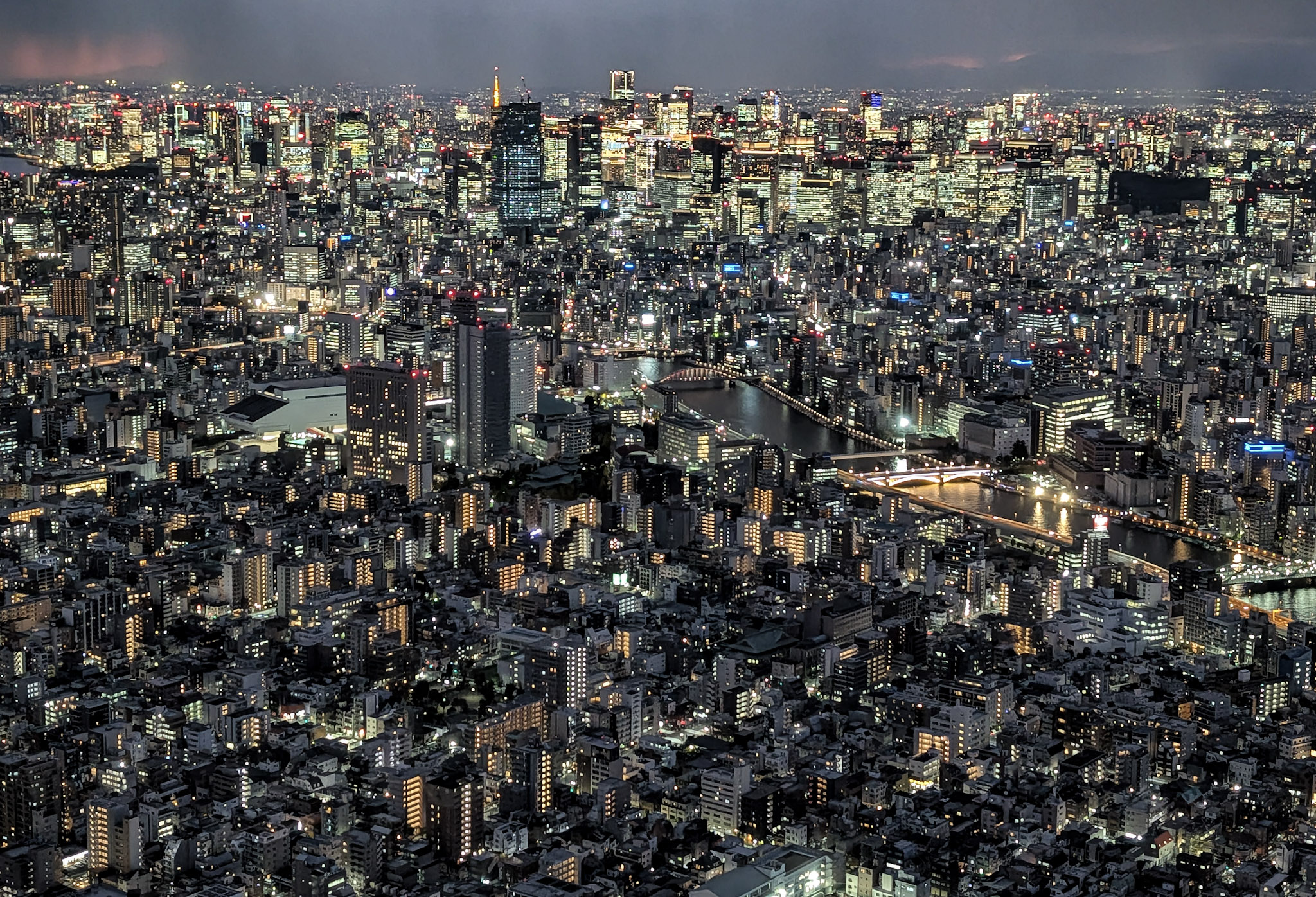
All that was left was a long walk back to our hotel. On this day we had walked over 18.5 amazing kilometers (11.5 mi), full of sights and sounds of various Tokyo neighborhoods.

DAY 4 – Traditional vs Modern Tokyo
Imperial Palace East Gardens
Our day started with a walk to the Imperial Palace Gardens. We had passed by there on a tour bus during our Mount Fuji day and decided that we had to see it for ourselves. As we made our way to the gardens, we observed the golden gingko trees in their full display. They were so beautiful! City parks and streets were lined with them, contrasting with gray glass buildings and evergreens around them.
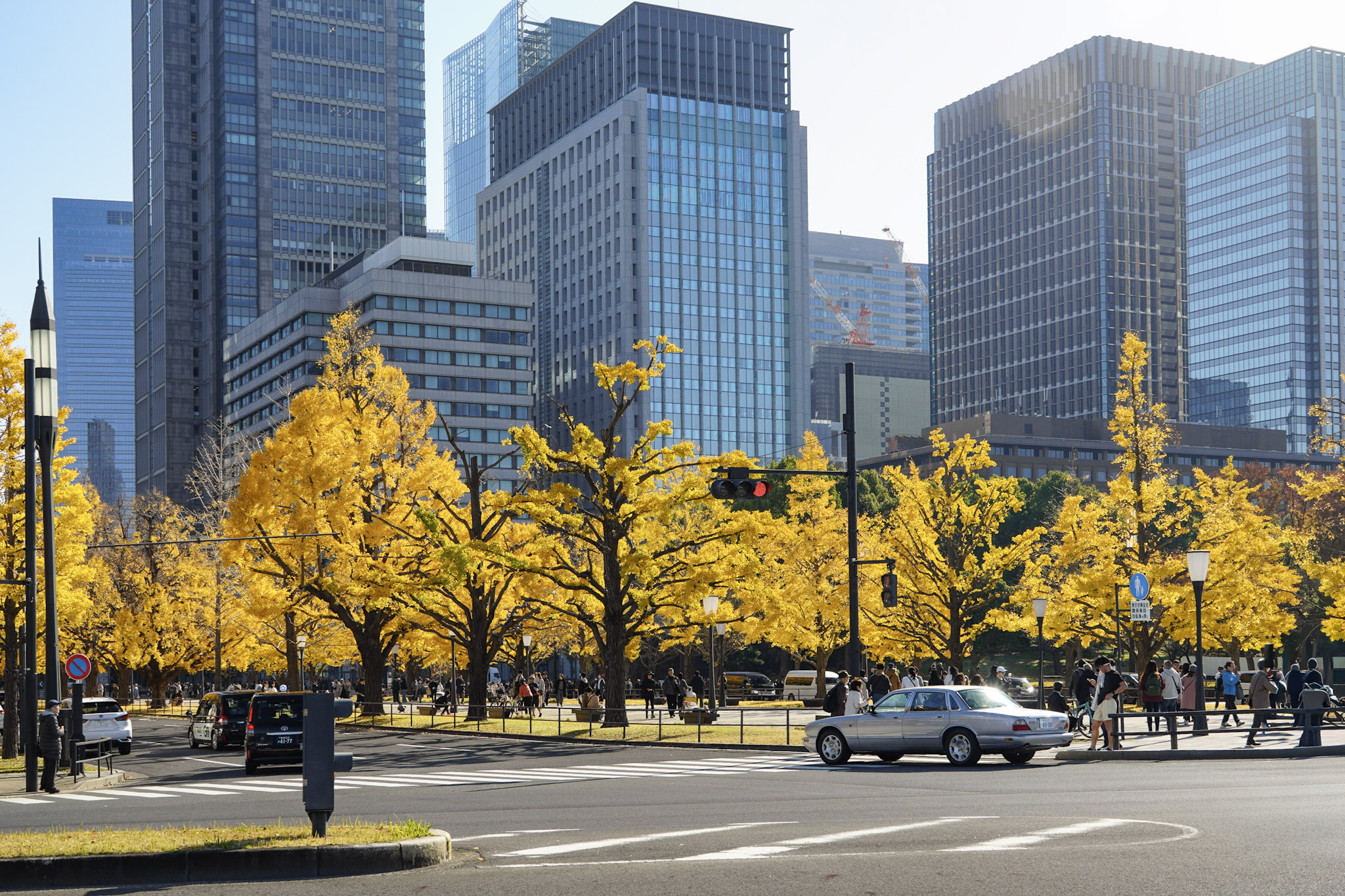
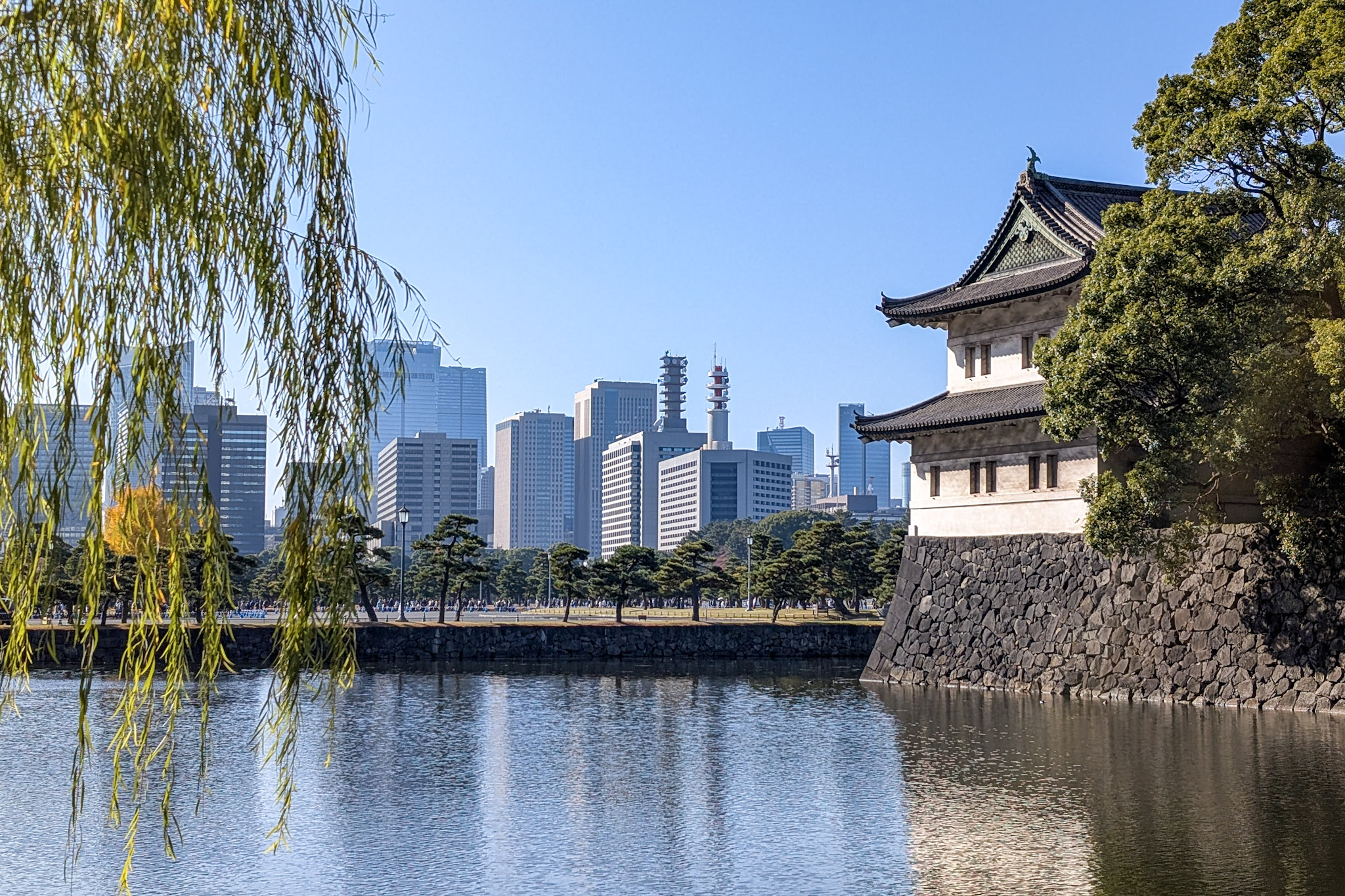
The Gardens themselves were, frankly, quite underwhelming to us. With wide asphalt pathways and big open lawns, there wasn’t too much to look at. It was more of an open space for locals to come out, picnic, play games and let their kids run around.
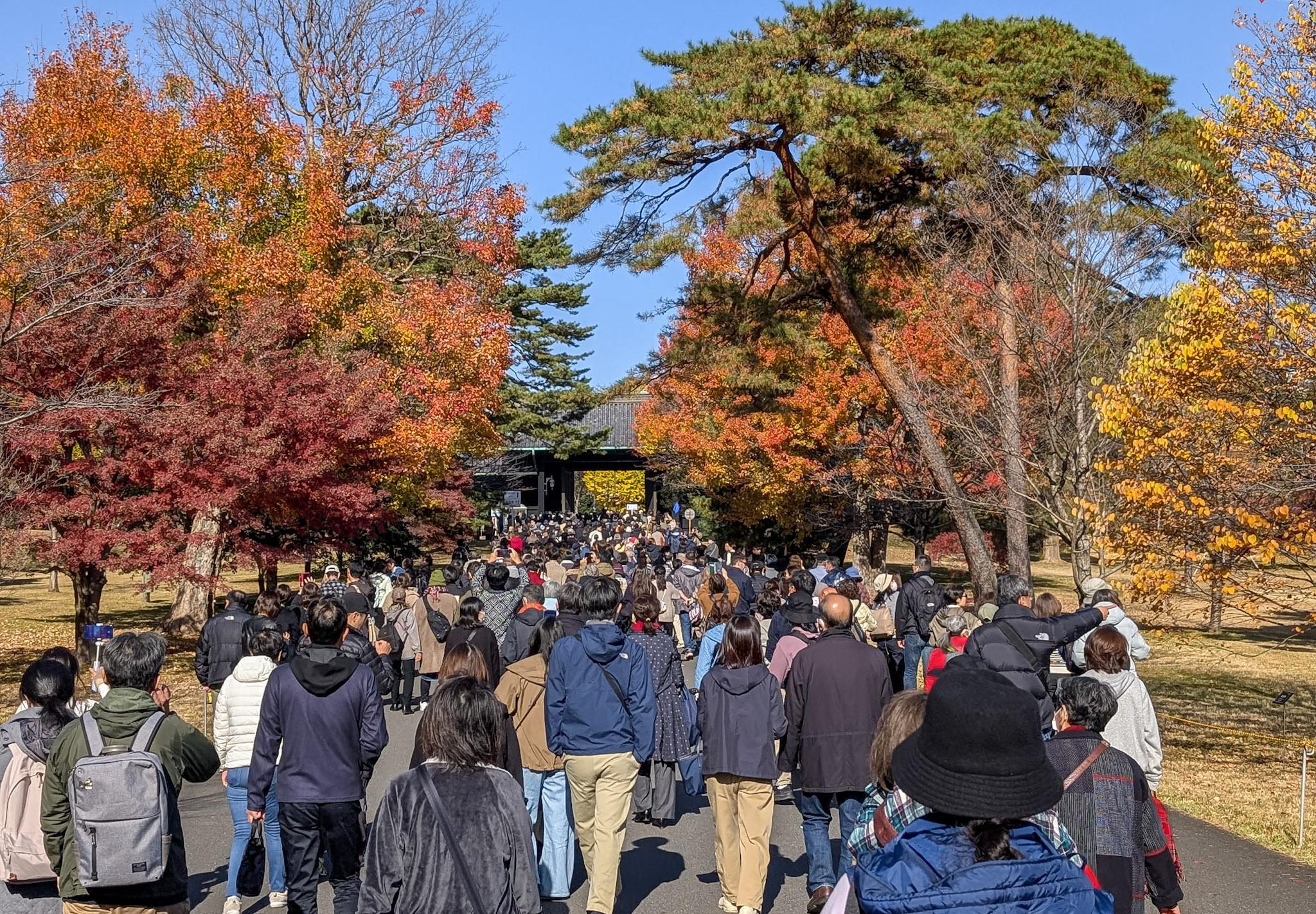
And the Japanese maple alley was so full of people that it felt like we were in a line trying to leave a rock-concert venue. It was making it a little hard to enjoy the atmosphere.
Shibuya Scramble Crossing
After we made our way out of the Gardens, our next stop was Tokyo’s modern skyscraper district. The walk there would have taken us over an hour, so we decided this would be a good time to try out Tokyo’s famous subway system. Although we expected it to be a little overwhelming at first, the whole process of acquiring tickets and finding the right train was surprisingly simple even to a foreigner. And soon enough we found ourselves in the middle of a bustling, busy, colorful and loud Shibuya district.
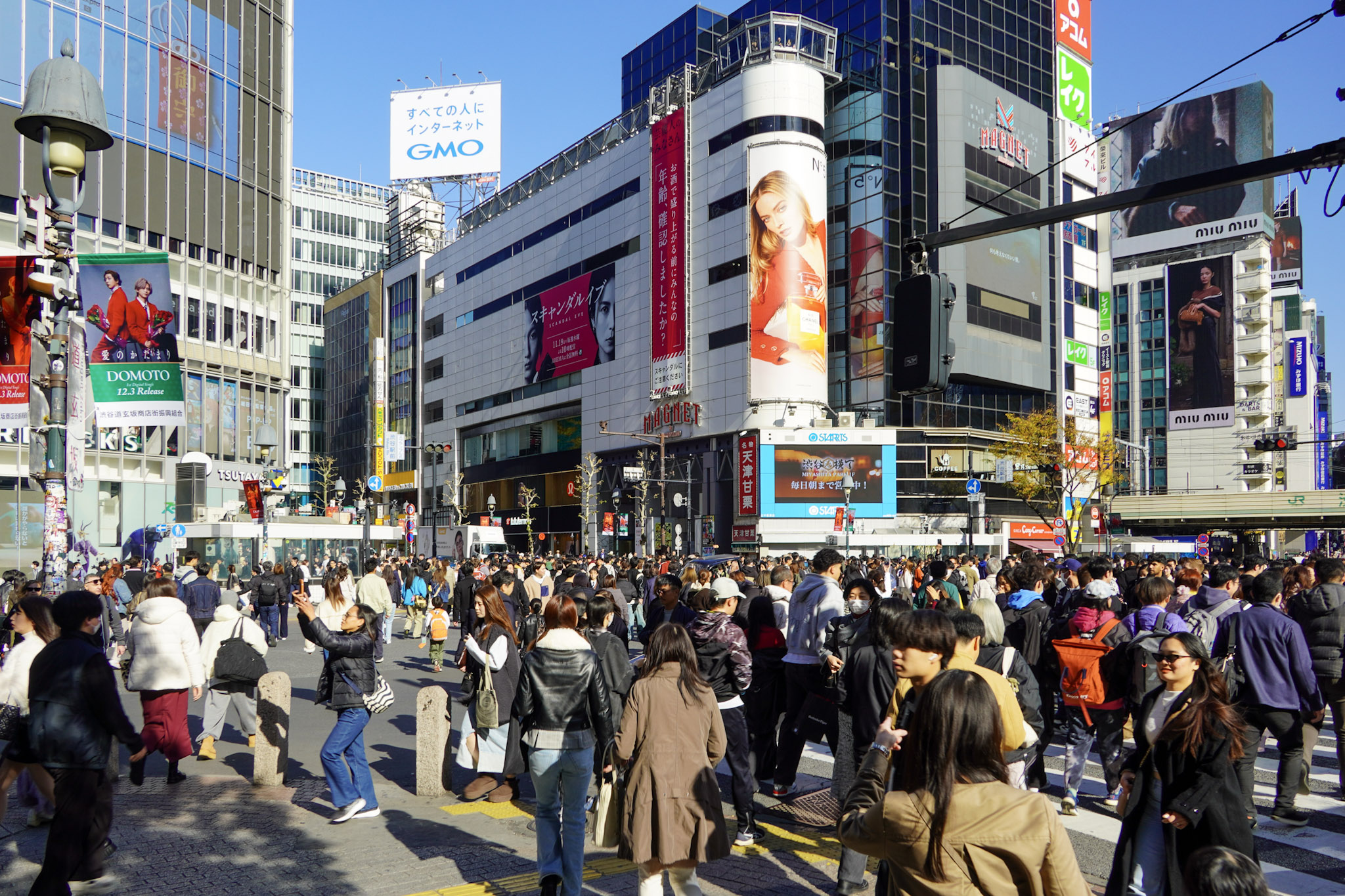
And what more popular place here if not the famous Scramble Crossing – a display of organized chaos! Described as the world’s busiest pedestrian crossing, with as many as 3000 people crossing it at a time during one green light cycle. Of course, we had to try it for ourselves!
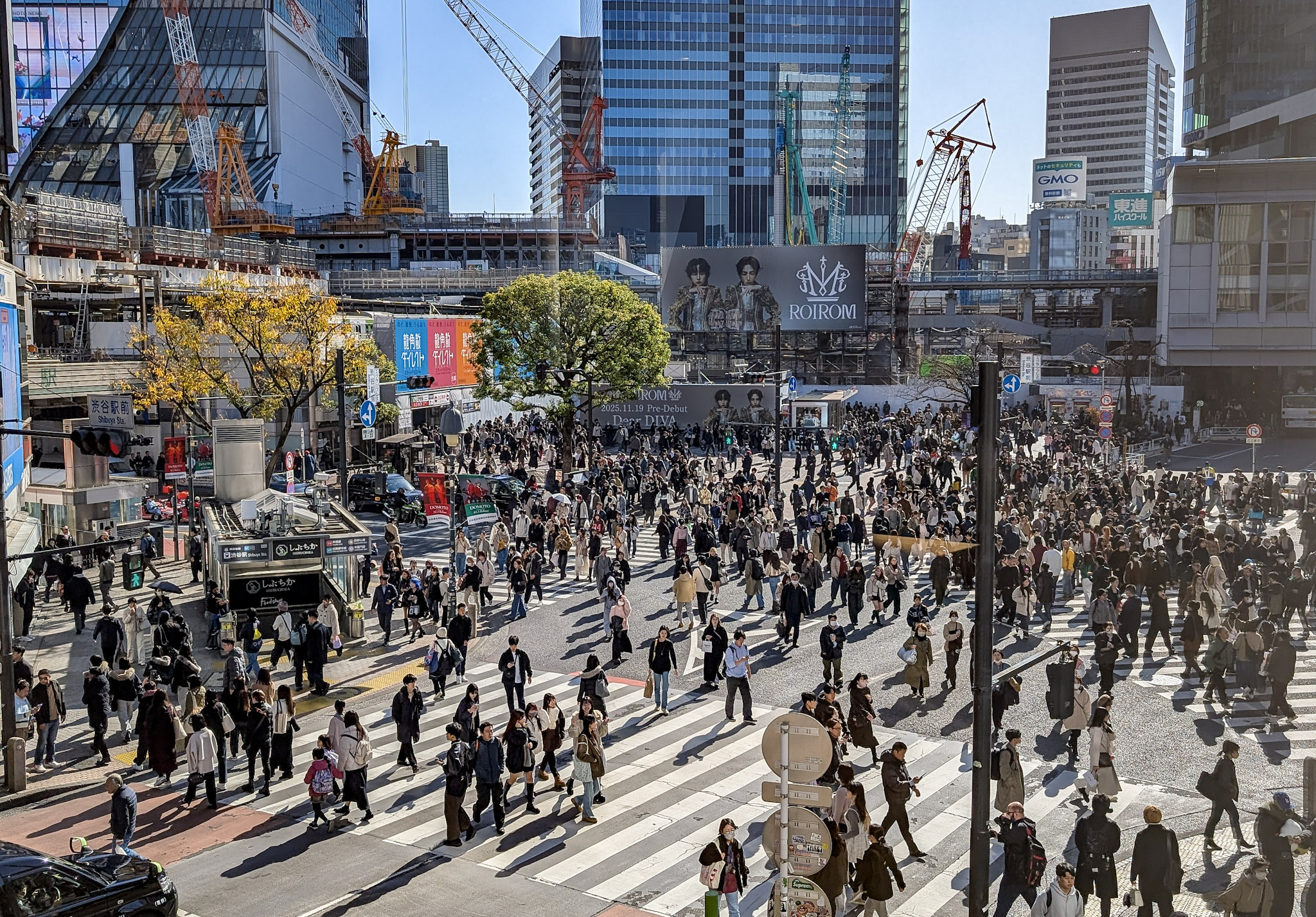
Afterwards, we made our way to a Starbucks that overlooked the crossing. We grabbed a couple coffees, some breakfast sandwiches and found an available spot by the window. And we sat there, watching the changing red-green light and the never-ending flow of people in all directions.
Takeshita Street
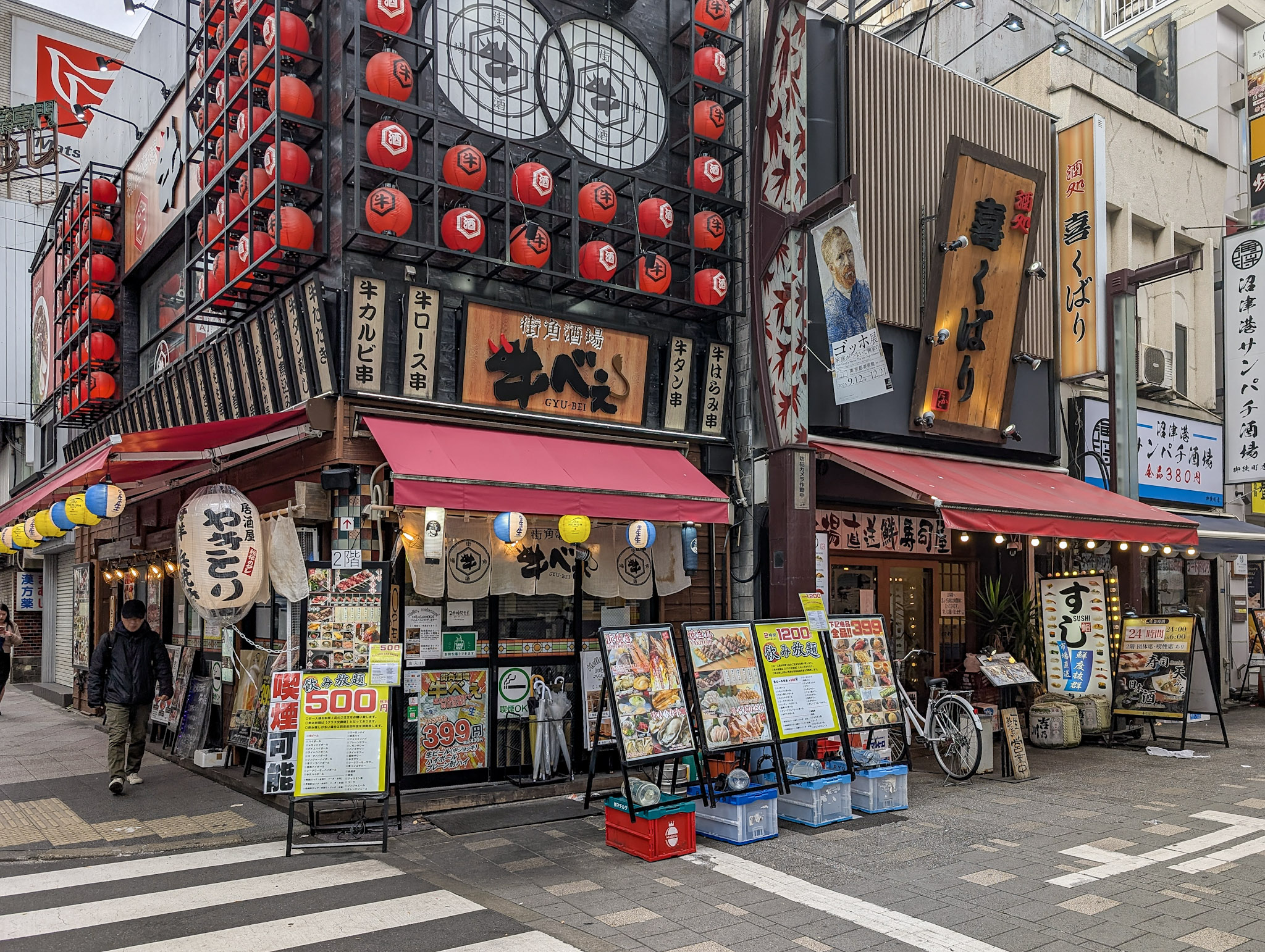
Full of coffee and breakfast, we pressed on. Our next destination was Takeshita – the epicenter of youth culture, a street filled with people all year round and colorful pop-up shops lined in tight rows. It was extremely lively, and busy. Just what we had come to expect by now from any popular spot in Tokyo.
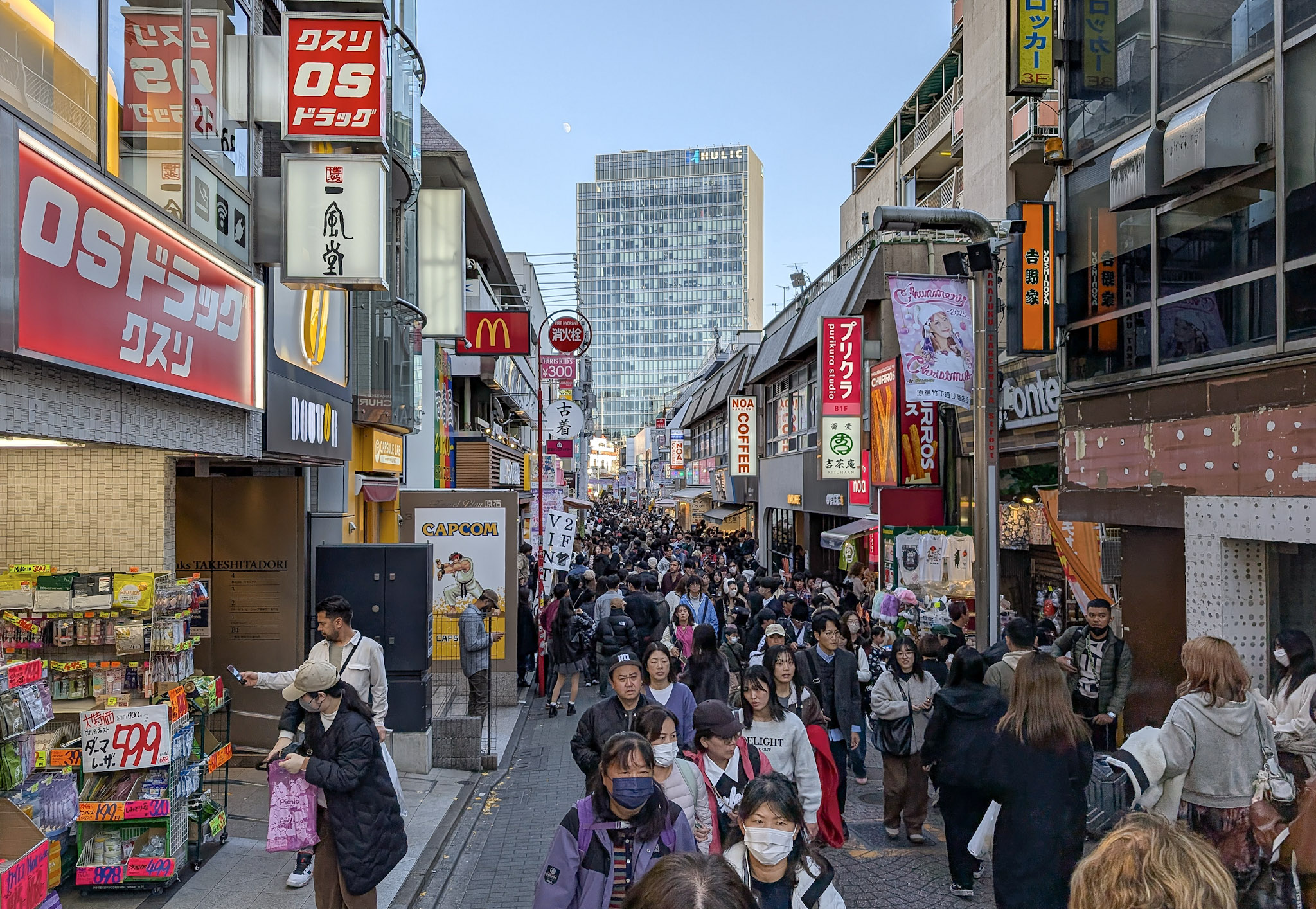
Food stalls were displaying their plastic food samples, and anime shops were inviting customers with larger-than-life cartoon characters…
And why not meet a miniature pig, capybara, hedgehog or any other animal while you were shopping or eating your lunch? Because that just totally made sense, right?! Animal cafes were extremely popular in Japan and Takeshita was no exception. Our boys could not pass the adorable otters, and even my husband and I were a little tempted. They just looked soooo darn cute! We gave in and went for a 30-minute otter experience. Dressed in funny outfits and obligatory face masks, we spent the next half an hour contemplating on how to smuggle a pet otter home.
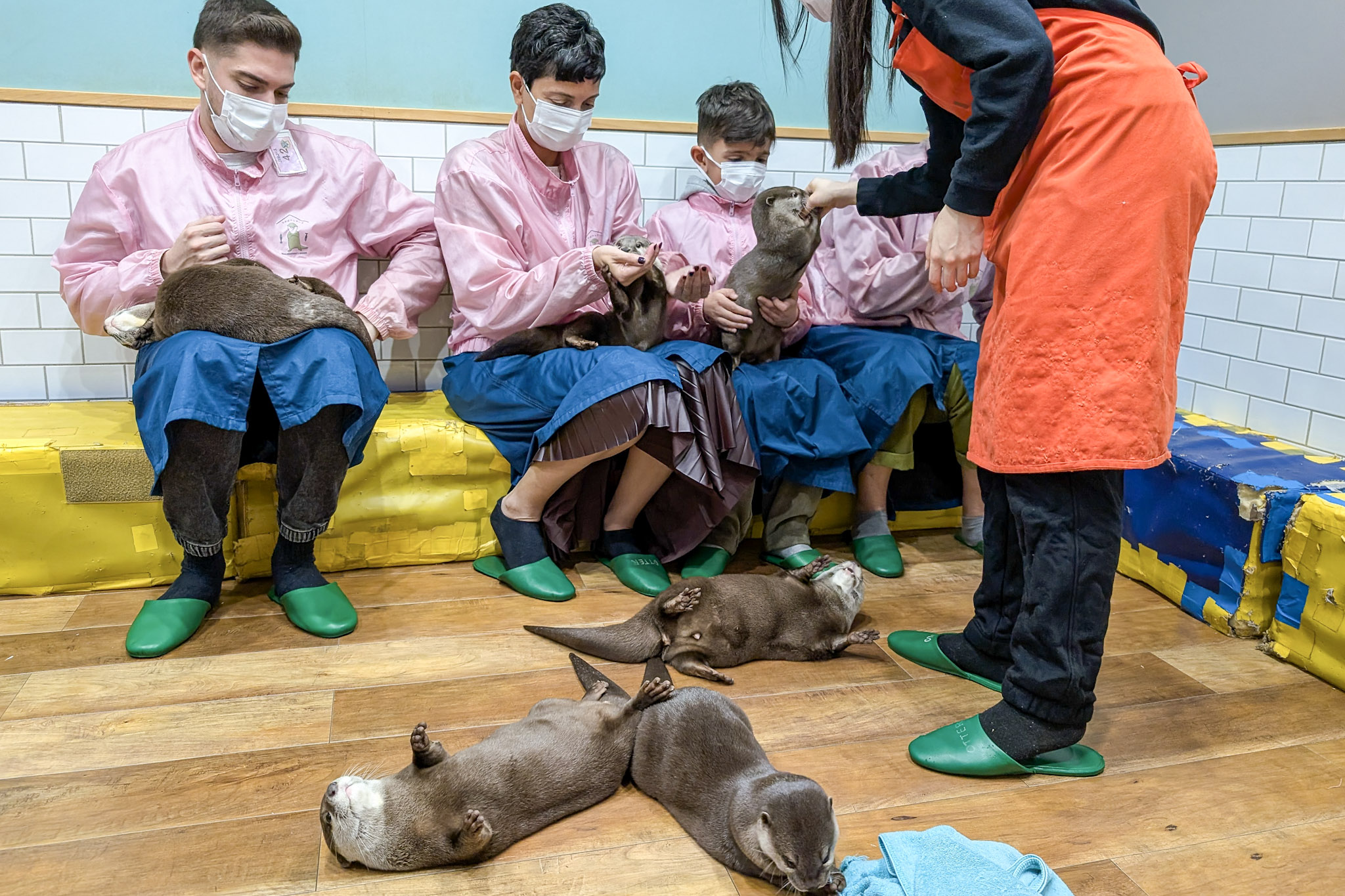
While my kids’ laps were a little too small for the otters to sleep on, my husband’s lap was perfect, and he was a true otter magnet. 3 otters fell asleep on his lap and stayed there the whole time.

Needless to say, we were very sad to part ways.
Meiji Jingu Shrine
Having made our way out of the crowded Takeshita Street, we could finally breathe a little. Just a short walk away was Meiji Jingu – a temple with a vast forest around it, an oasis in the middle of Tokyo. People dispersed here on various walkways, and it finally wasn’t shoulder to shoulder traffic. It was very refreshing.
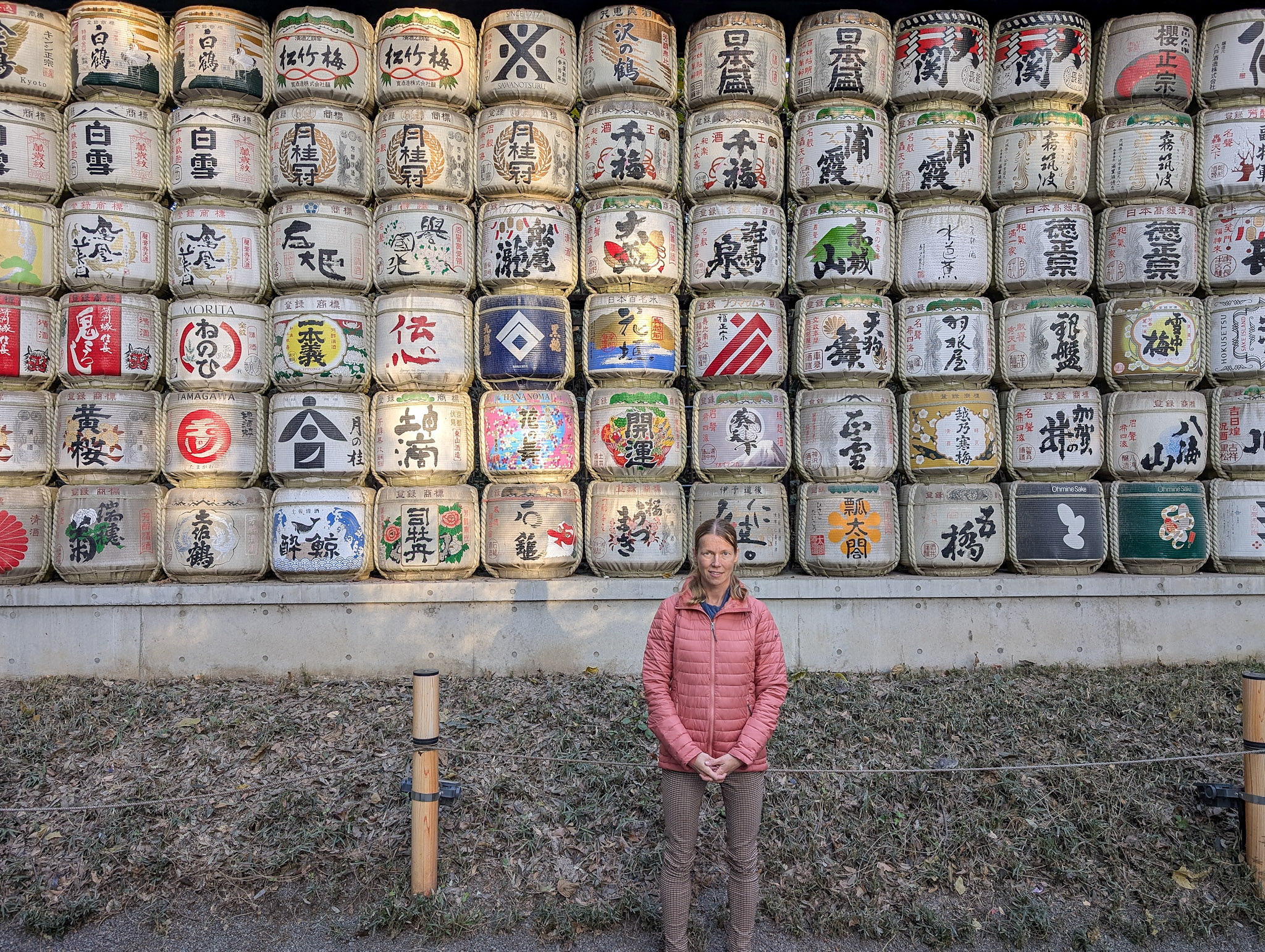
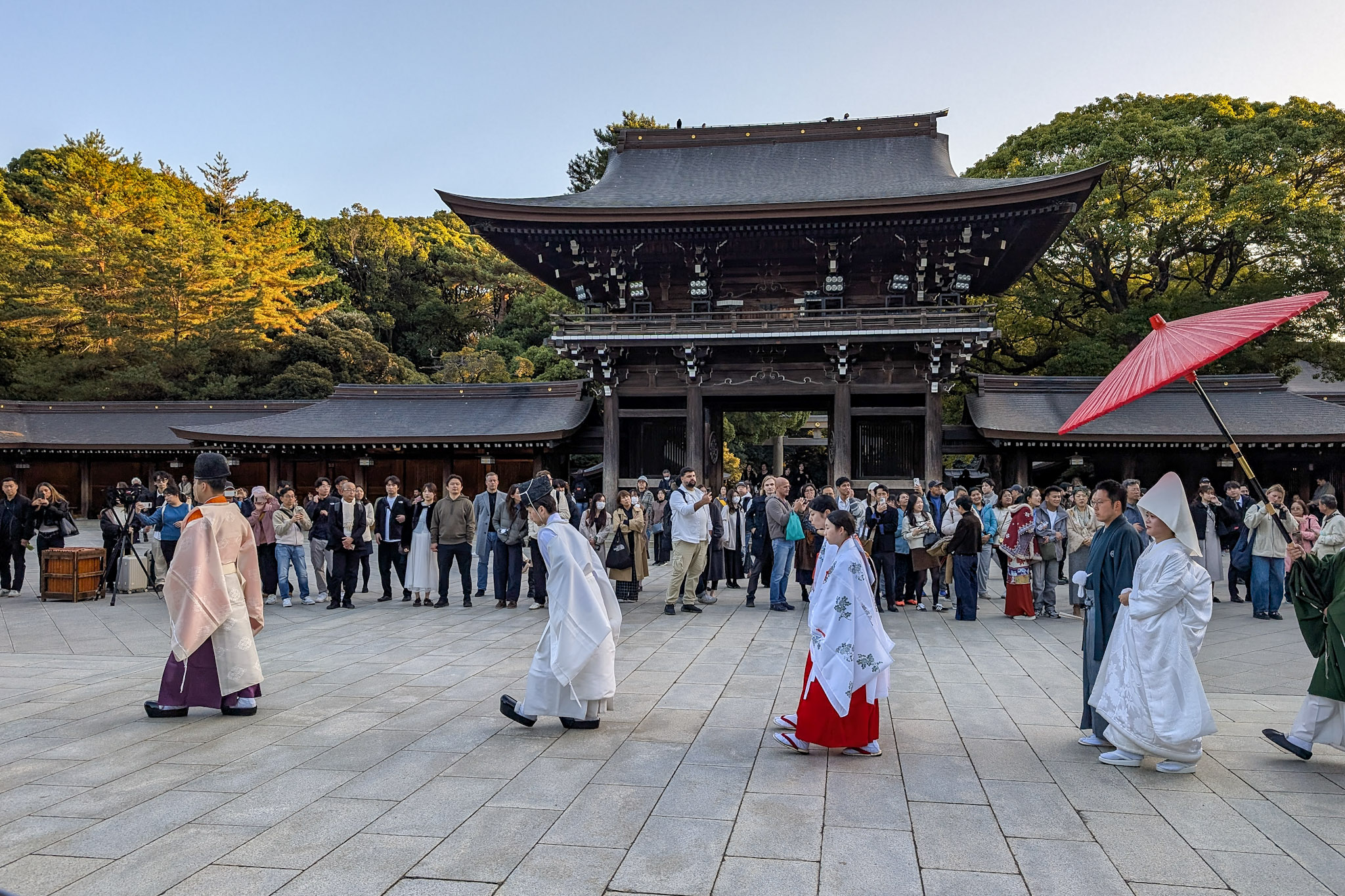
The wide sandy paths took us along various objects and sights with religious significance. Eventually, we made our way to the temple where, just by chance, we got to witness a wedding ceremony.
Our boys wanted to try their luck by drawing omikuji again. This time both had good fortunes which they decided to keep.
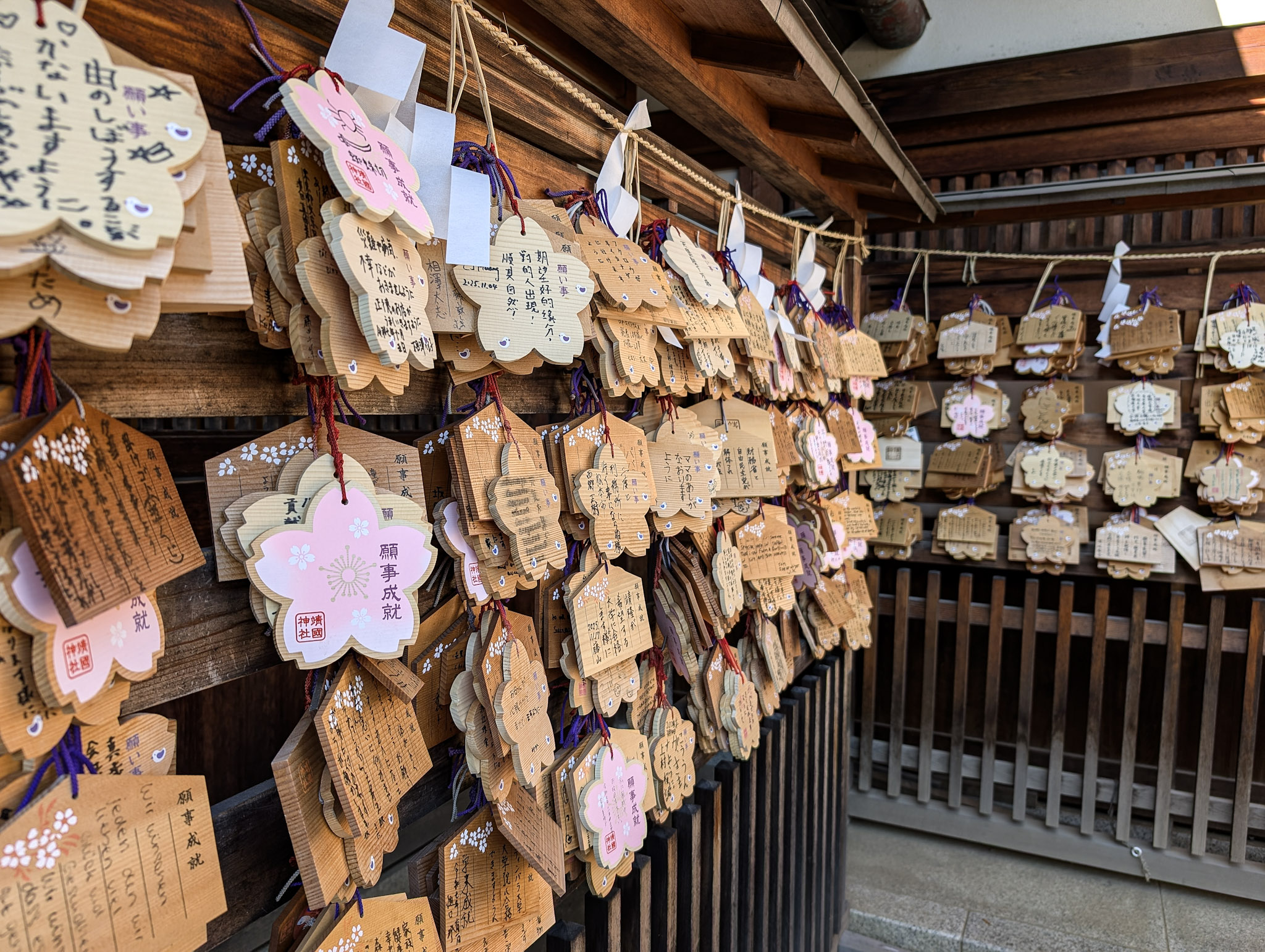
As we walked through the temple grounds, we heard a notice that the temple gates would be closing soon, which was a polite way to tell all the tourists that it was time to get out.
Sinjuku District with 3D Cat Billboard
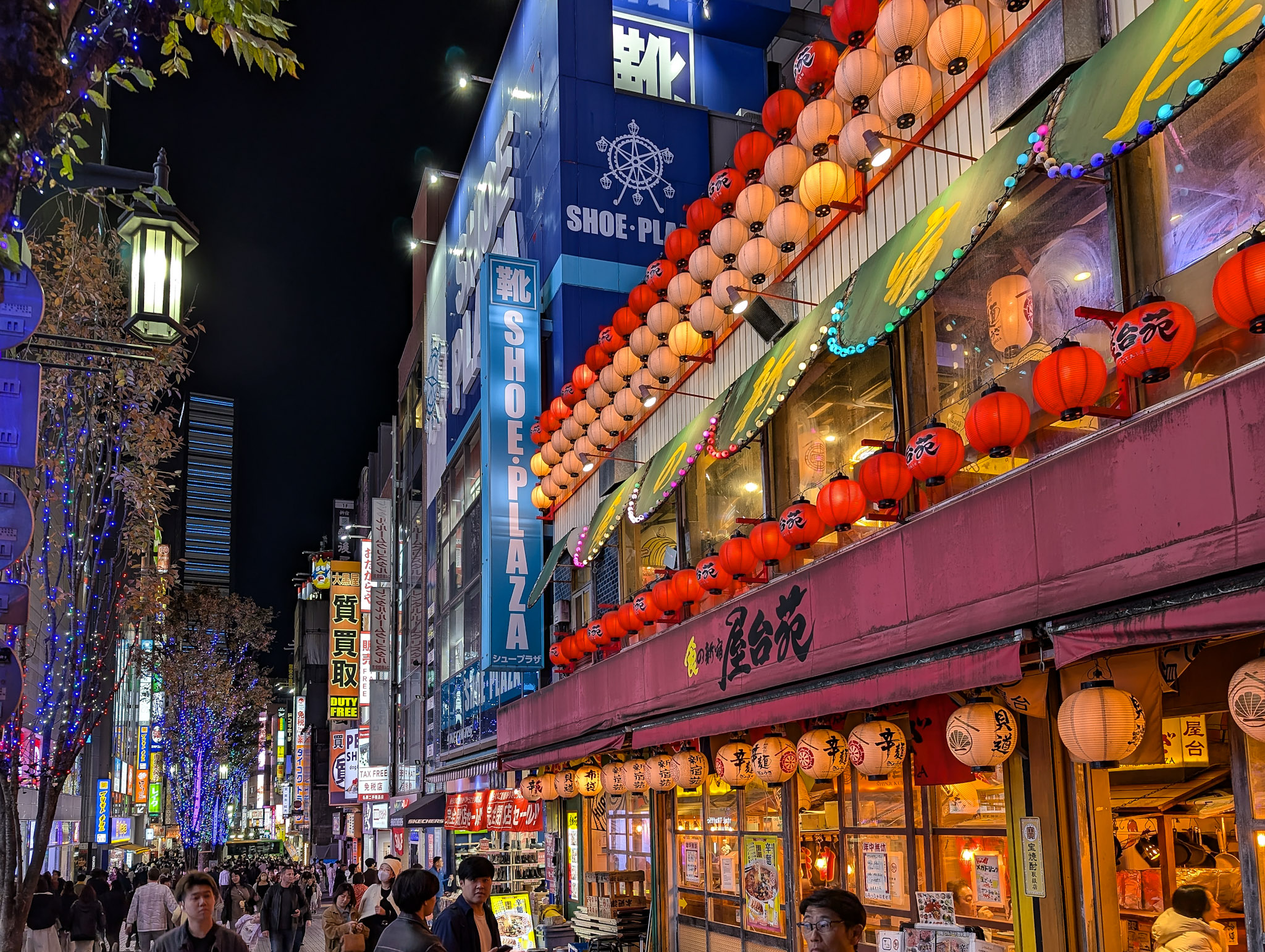
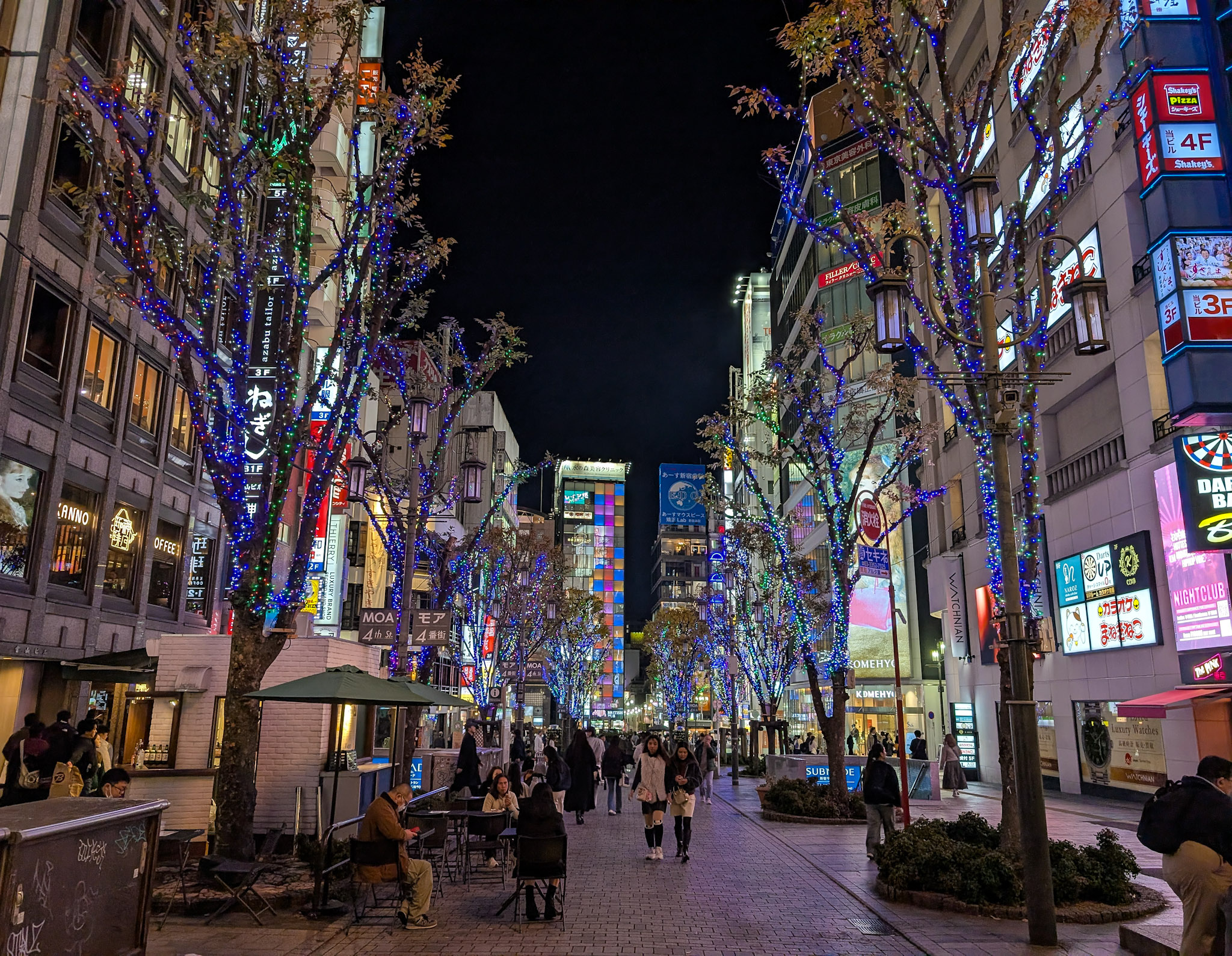
It was 5 o’clock in the evening and the sky was getting dark. It was good timing for a visit to the Sinjuku skyscraper district to see all the buildings illuminated at night. As we approached, it was even more spectacular than I anticipated. We did not know where to look – everything was bright, light and colorful stretching high into the sky.
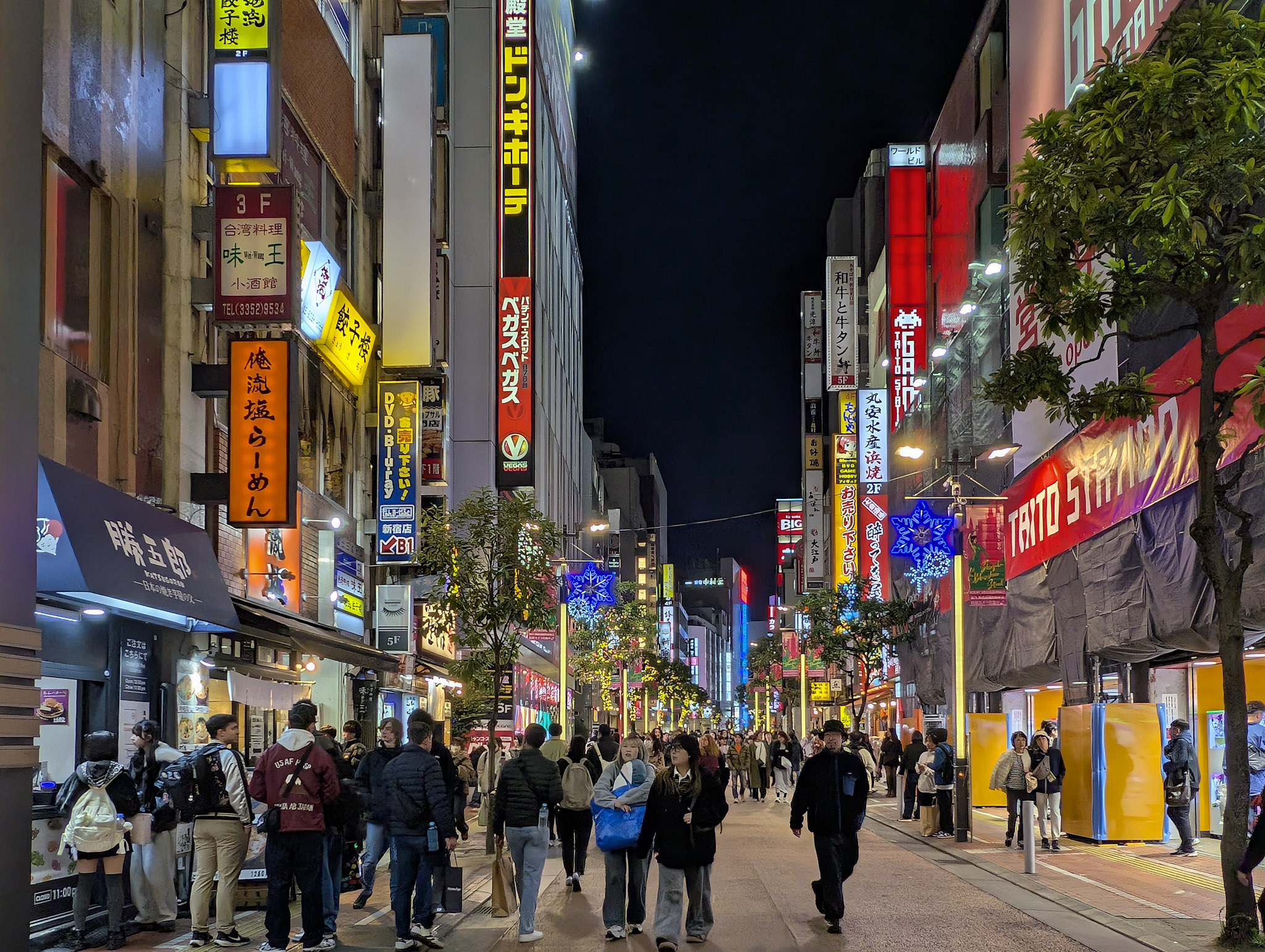
There were colorful street signs, big billboards, Japanese lanterns and even Christmas lights. Many squares had Christmas trees set up, and lights were strung from trees. It was fun just browsing the streets, peeking into alleys, turning left and turning right without a particular destination. Everything was beautiful.
Eventually we made our way to the famous 3D Cat Billboard. People had gathered around to look at the animated cat and his mischievous actions. Unfortunately, we could not find the exact right spot to gain the full 3D effect of the billboard, yet it was fun anyway.
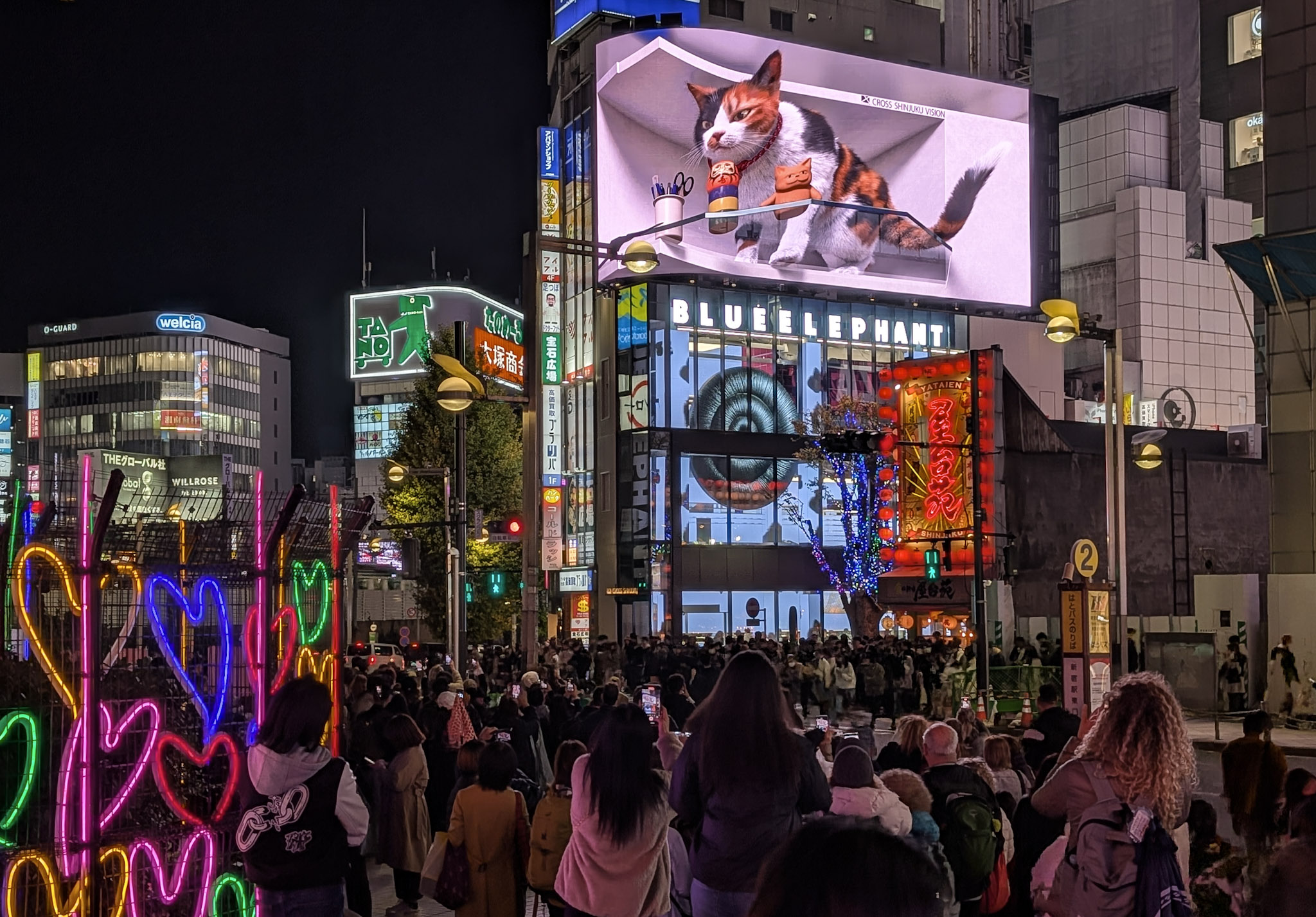
It was hard to get our boys to leave as they wanted to keep watching more and more “episodes”.
Tokyo Metropolitan Building
While it was getting late already, we decided to make just one more last stop before going back to the hotel. Tokyo Metropolitan Building offered two free attractions that were not as widely known to general tourist public. I had come upon it during my research about Tokyo, and I was glad I did.
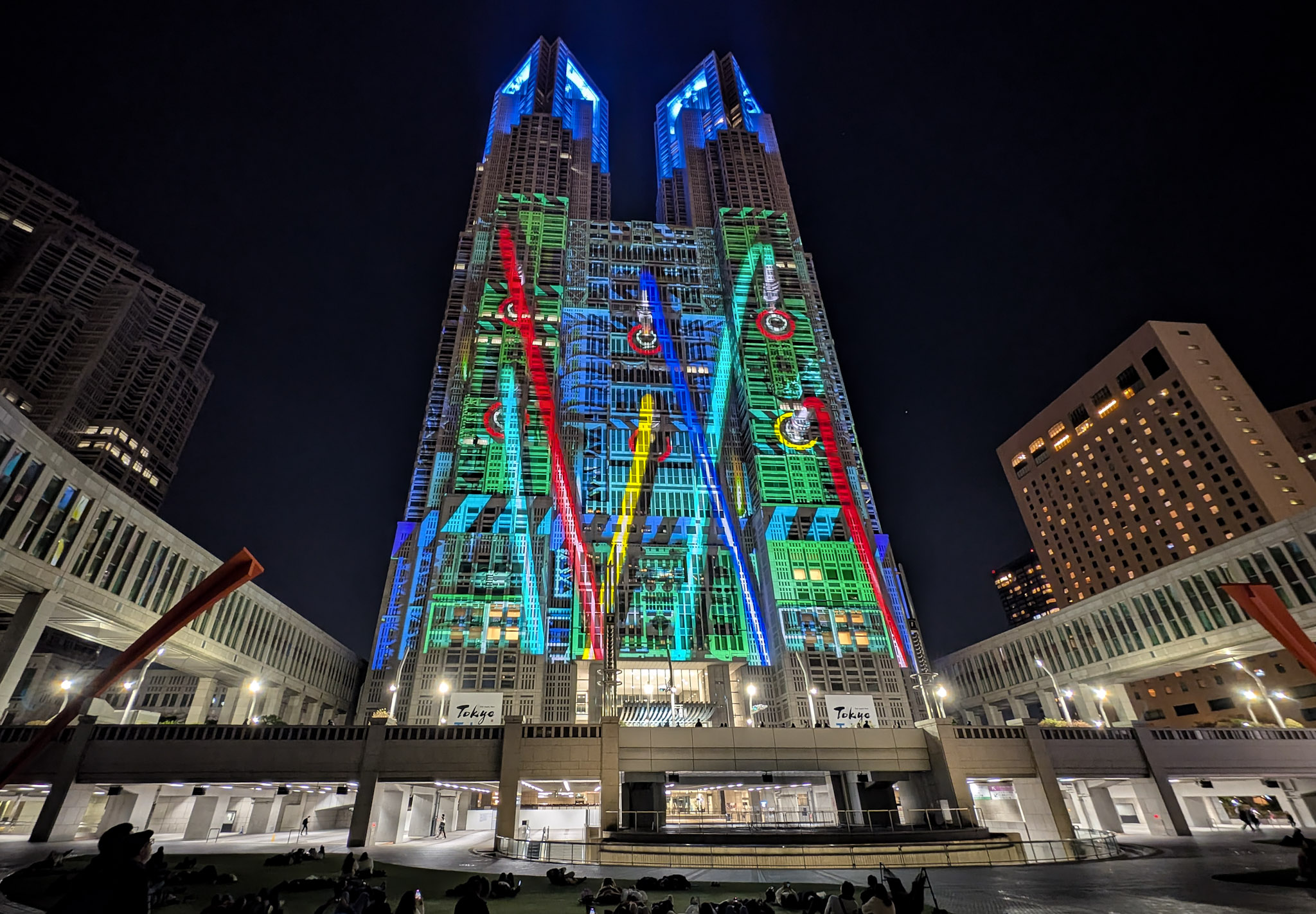
During good weather, there was a nightly laser show on the building walls from 17:30 – 21:00. All we had to do was show up, claim our spot on the lawn, and sit back and watch. They were playing Pacman, kicking soccer balls, and showing various scenes from Japan’s culture. The shows were changing every 30 minutes, and we watched 2 of them. The boys would have loved to stay for another one, but my husband and I just had no energy left.
The second free attraction we could do here was head to the 45th floor of the building to their observation platform. Yes, a free observation platform! While at Tokyo SkyTree we were looking at this skyscraper district, here we were inside the skyscraper district – observing all the buildings around us.
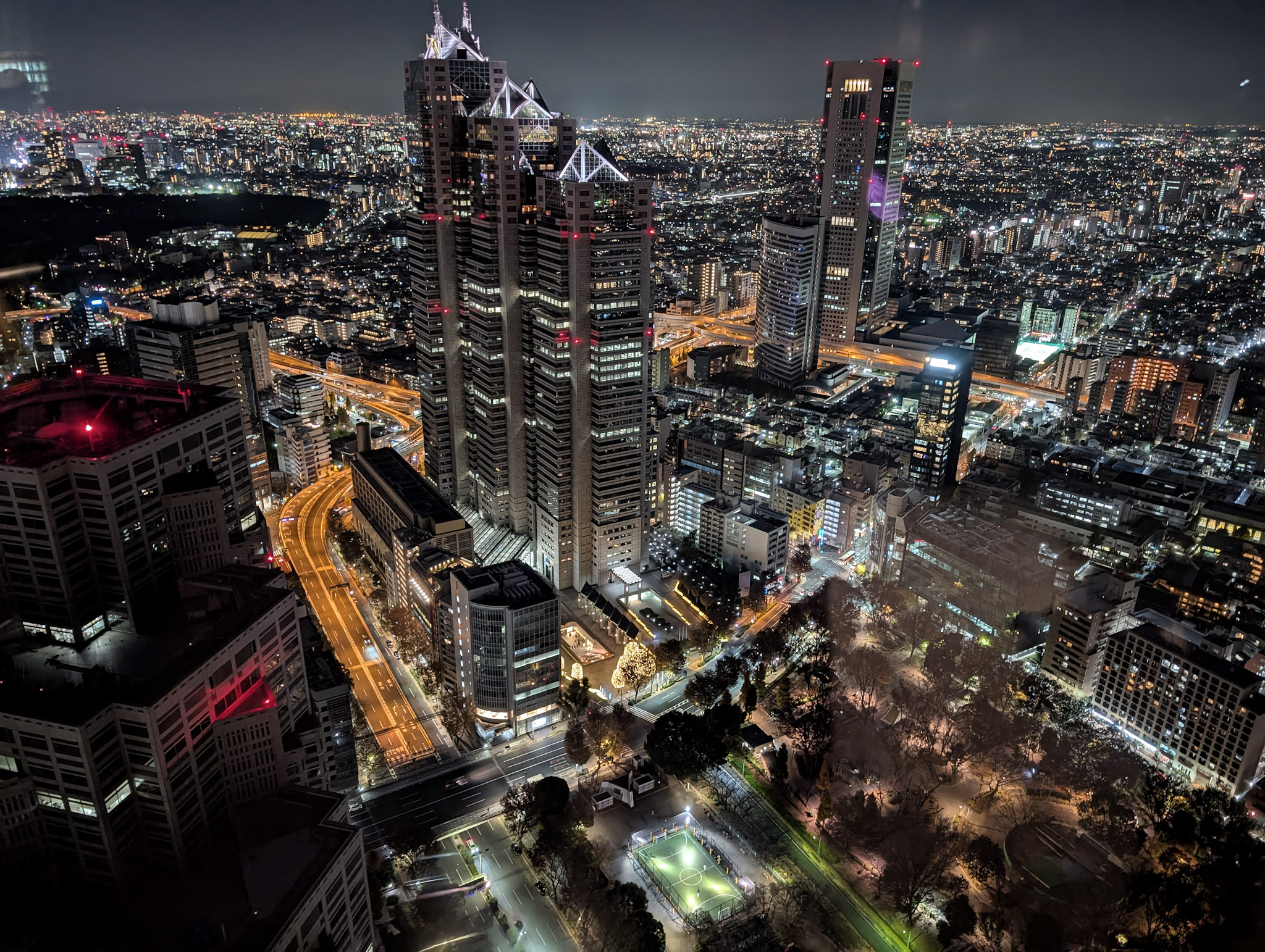
And it was still crazy to me that all this was free and not crowded at all.
By now, all our energy reserves had been depleted. It was another day of nearly 20km (12 mi) walked all across the city. We jumped on the subway and rode back to the hotel for our last night in Tokyo.
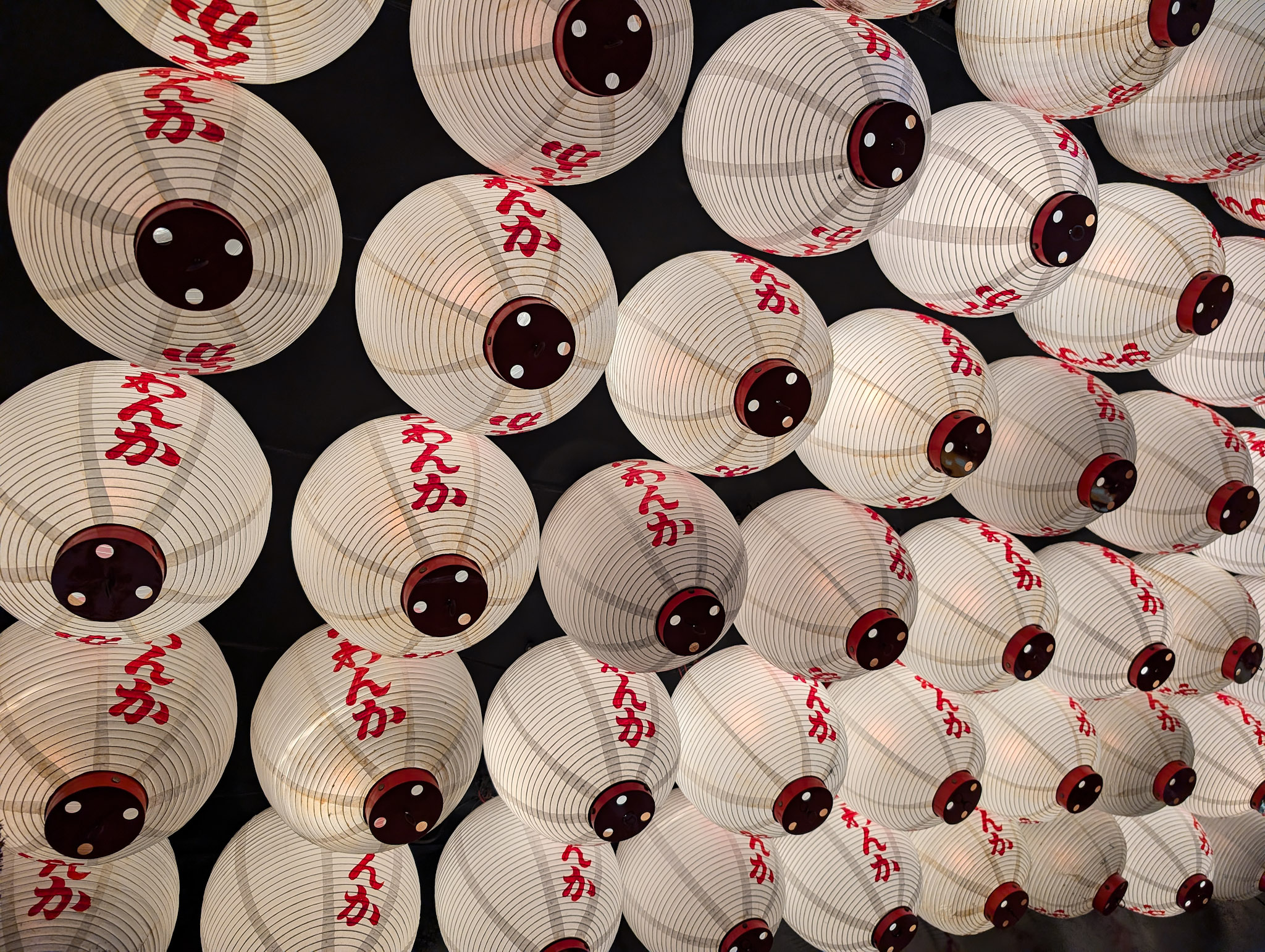
DAY 5 – Bidding Farewell
This was our last morning in Tokyo. With our flight leaving only at 3 in the afternoon, we had a few hours to spare in the first half of the day. Thankfully, the hotel agreed to hold on to our luggage after check-out so we could go explore the city bag-free just a little bit more.
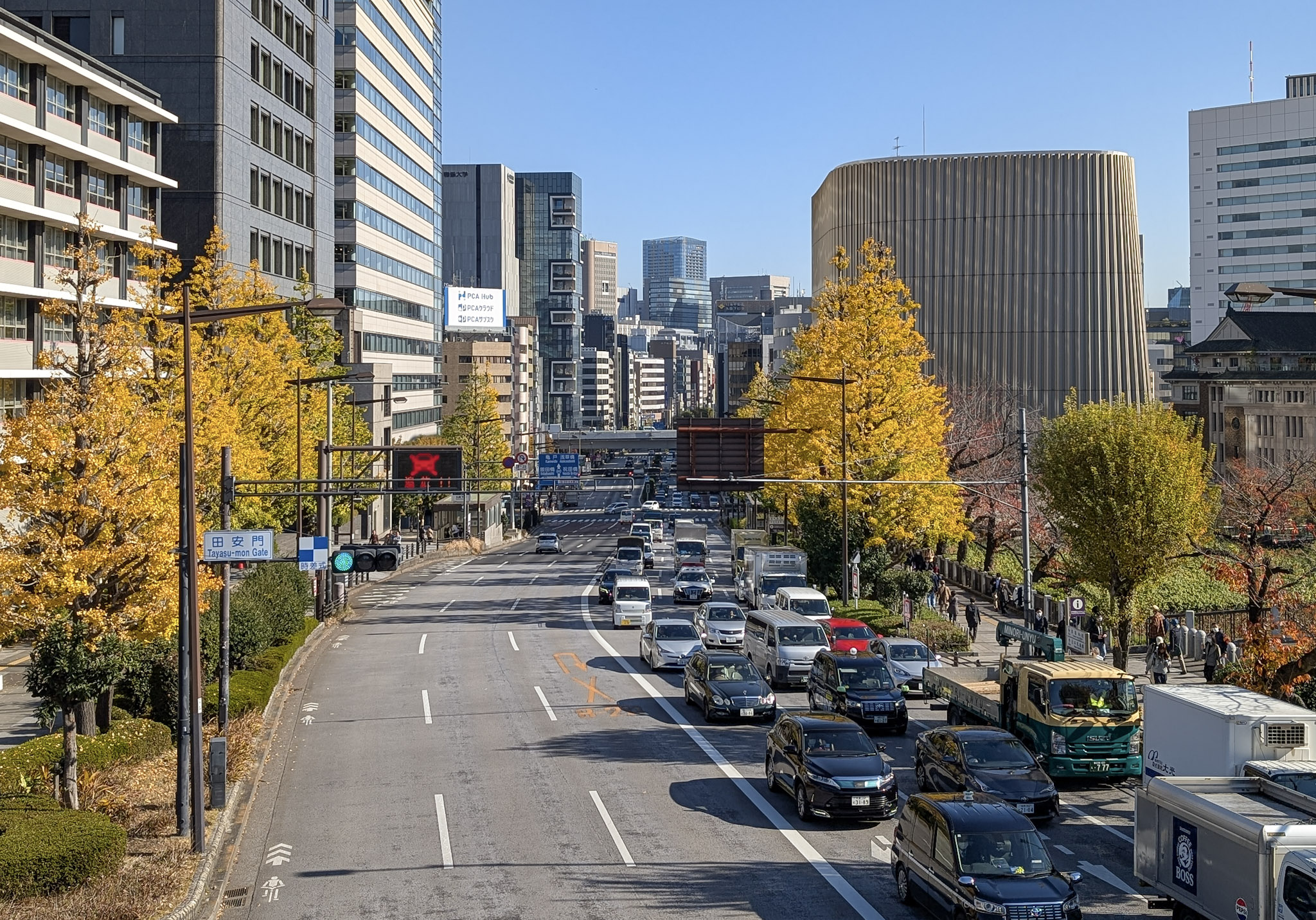
We started out with a morning coffee overlooking the city streets – people rushing to work, kids going to school, dog walkers crossing the park. It was nice to just sit down for a while and observe. 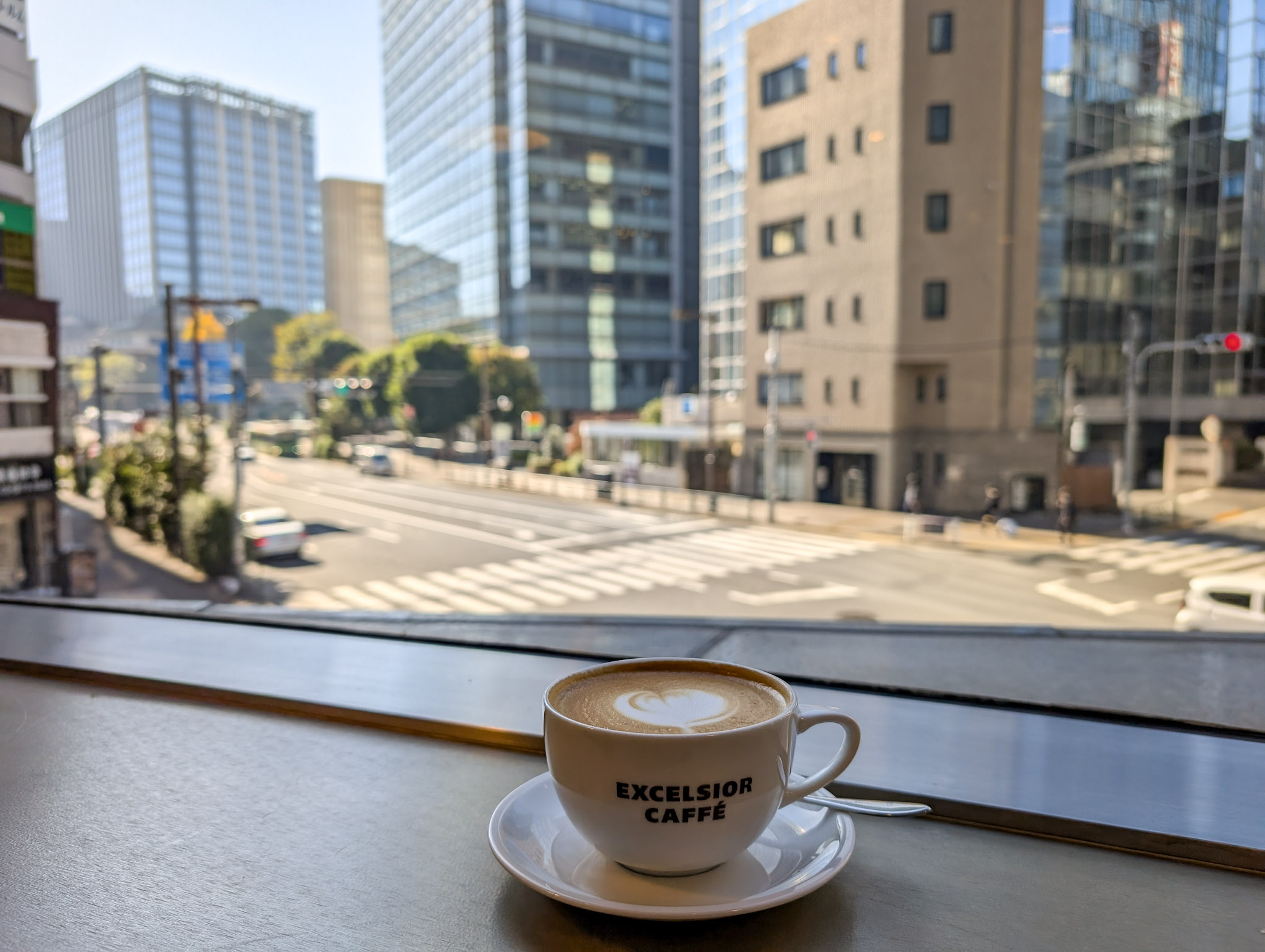
We looked at the map and saw signs for Yasuni Shrine. Just a 15-minute walk away, this seemed like a good last spot to visit before leaving. As we entered the temple park, bright gingko leaves were covering the ground. Everything around was golden, and the sun rays made everything shine. It was stunning!
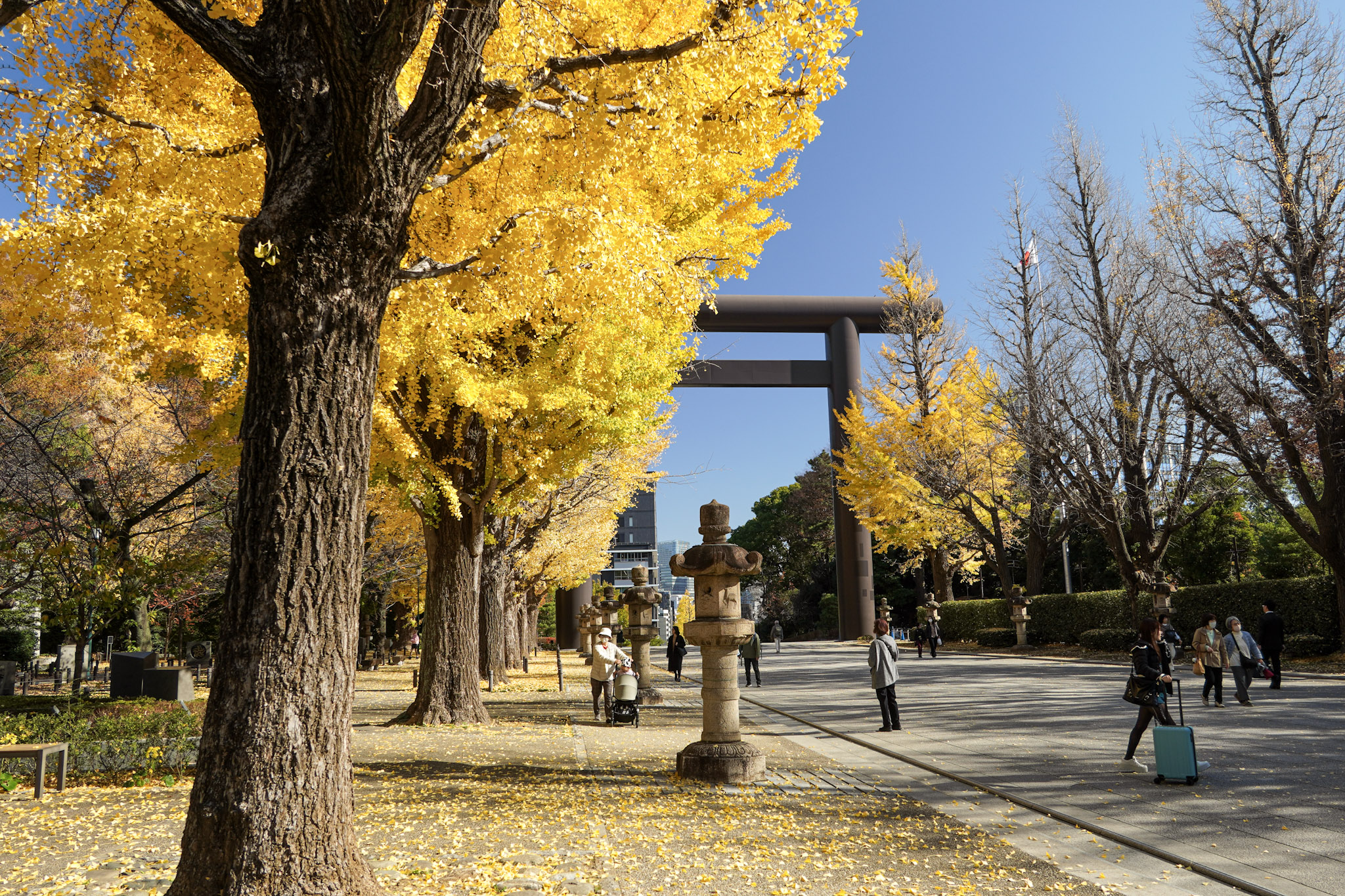
We made a short loop through the temple courtyard, snapping a picture of the old temple and a skyscraper behind it.
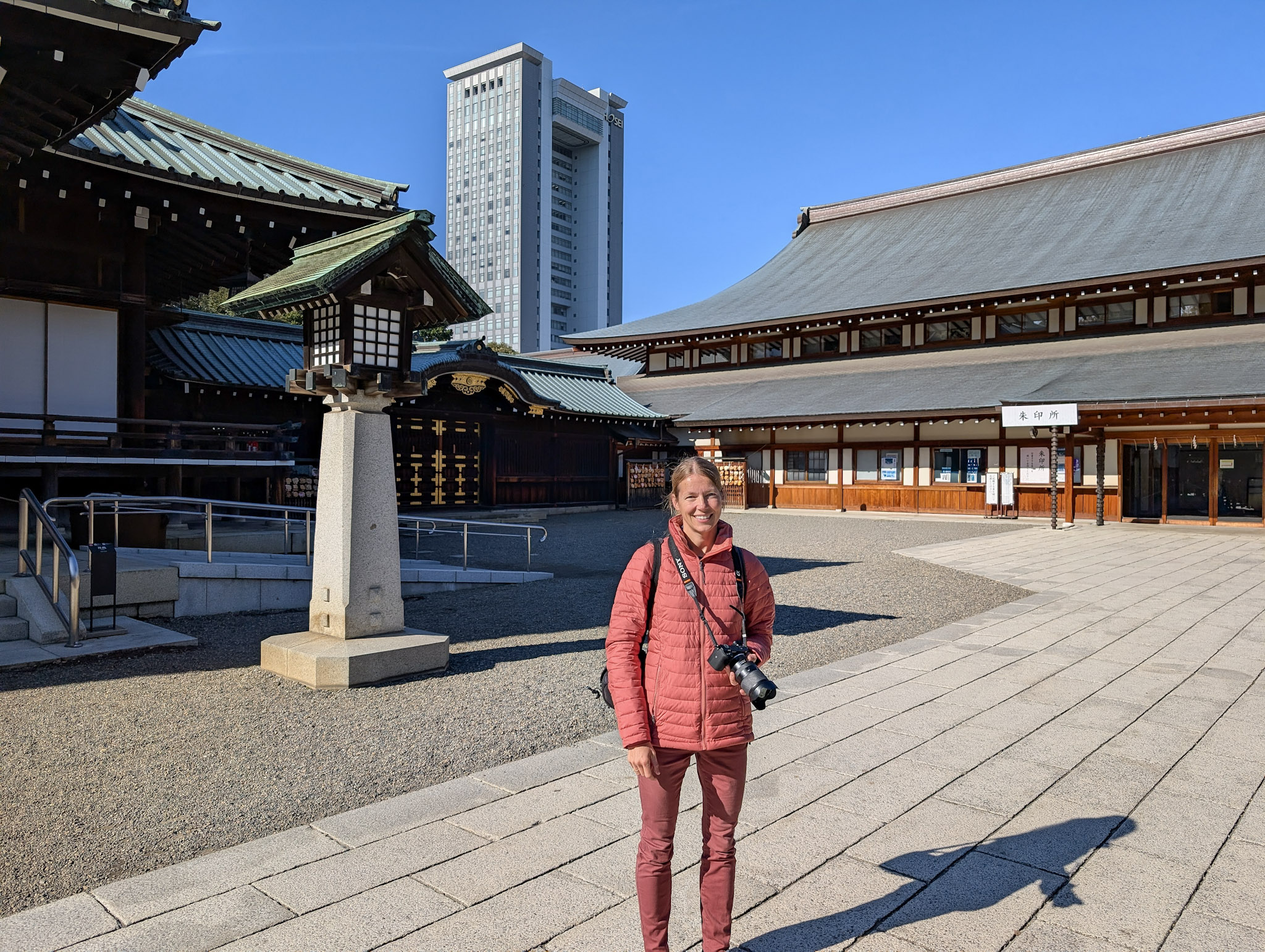
And that was the most perfect last image of how I saw Tokyo – hundreds of years old traditions coexisting with the modern society, both in architecture and mentality. The ordinary and yet extraordinary.
***
After we spent 5 days exploring Tokyo and Mount Fuji, we flew to southern Japan and spent 10 days in Iwakuni, Hiroshima, Beppu and Fukuoka. You can read about it here:
SOUTHERN JAPAN FROM BEPPU TO HIROSHIMA - HISTORY AND CULTURE WITH A TWIST OF HOT SPRINGS AND MONKEYS